









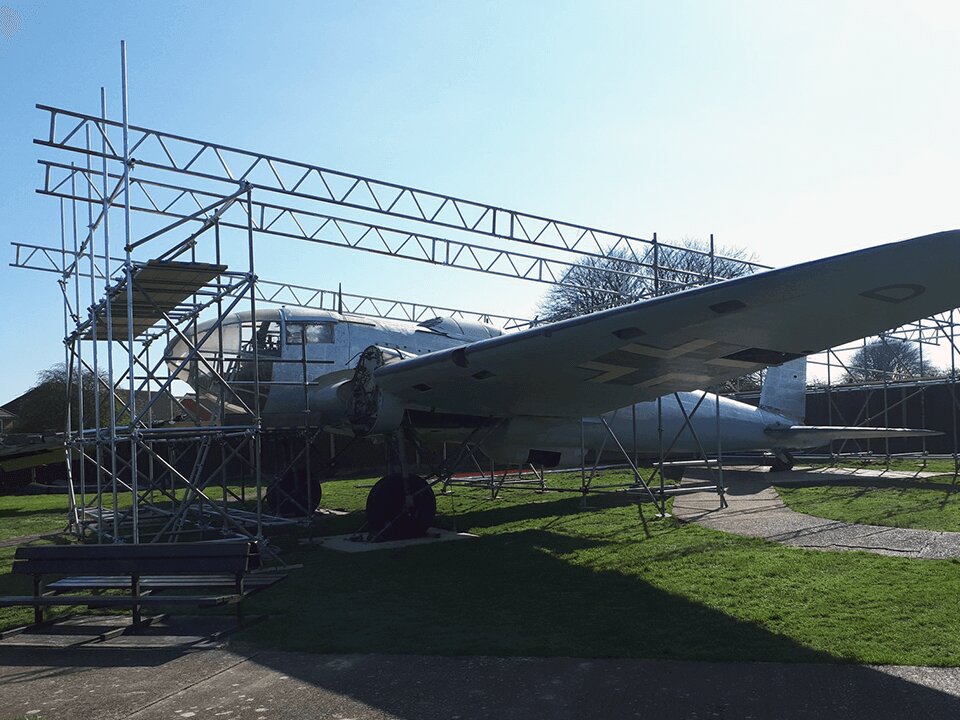
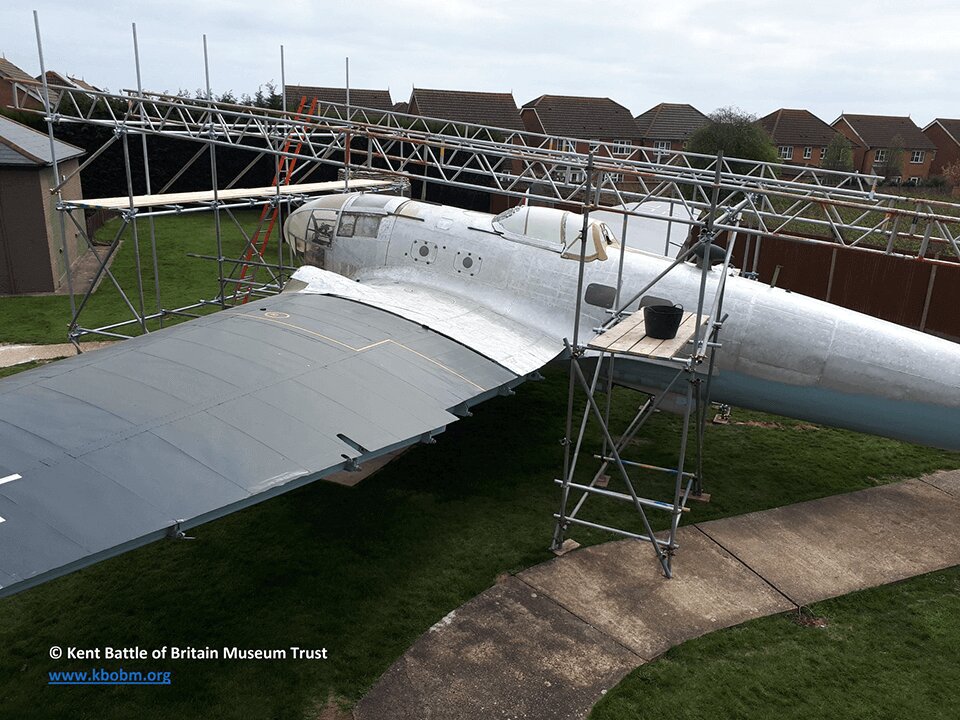
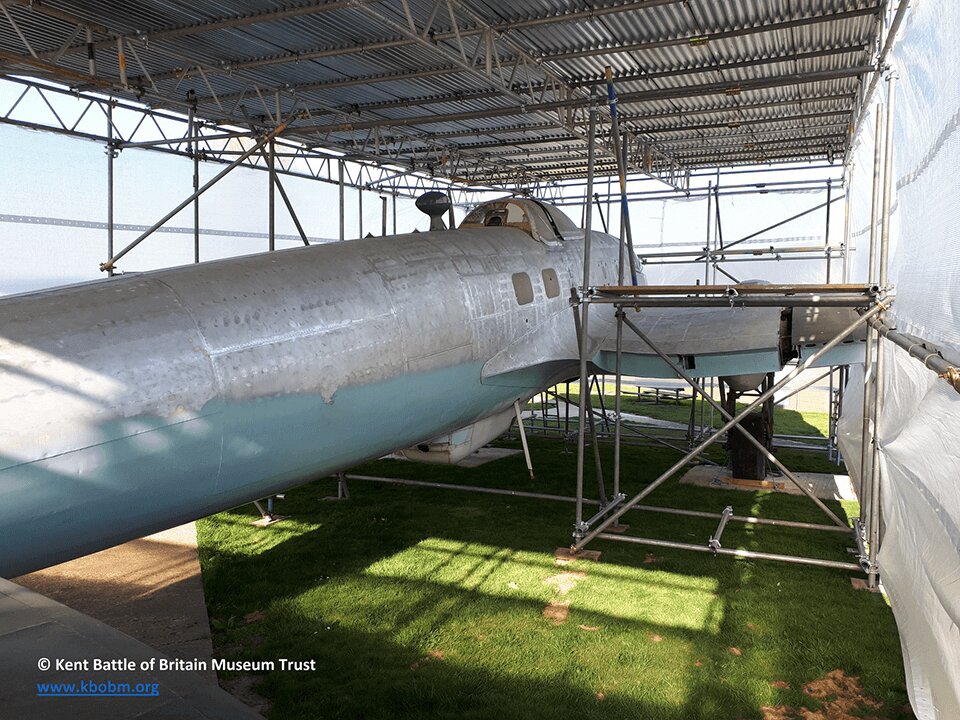


The Heinkel Project
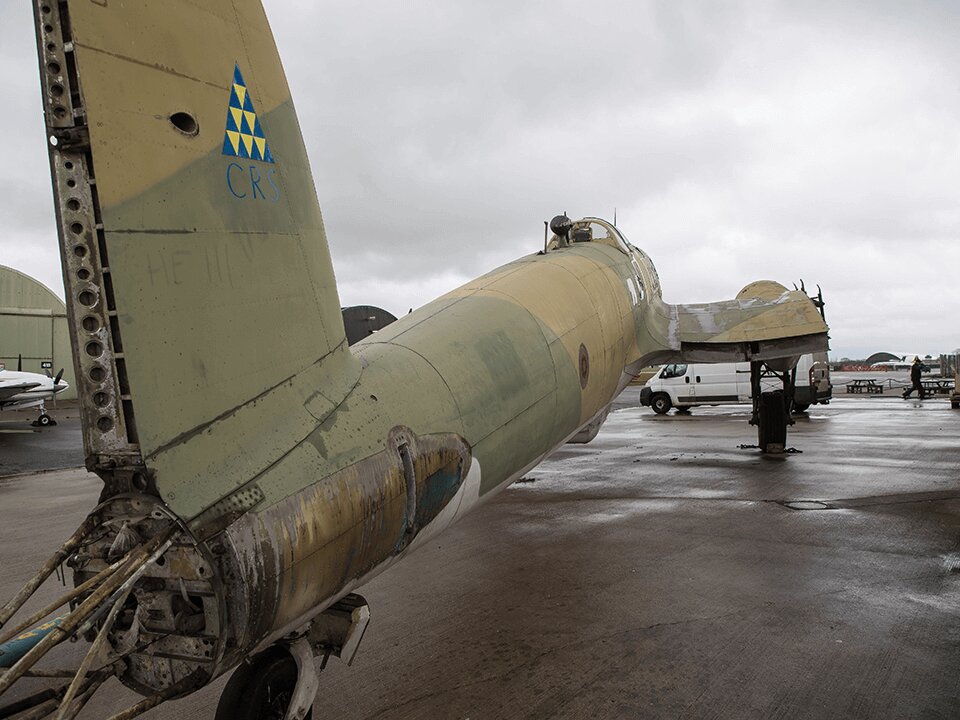
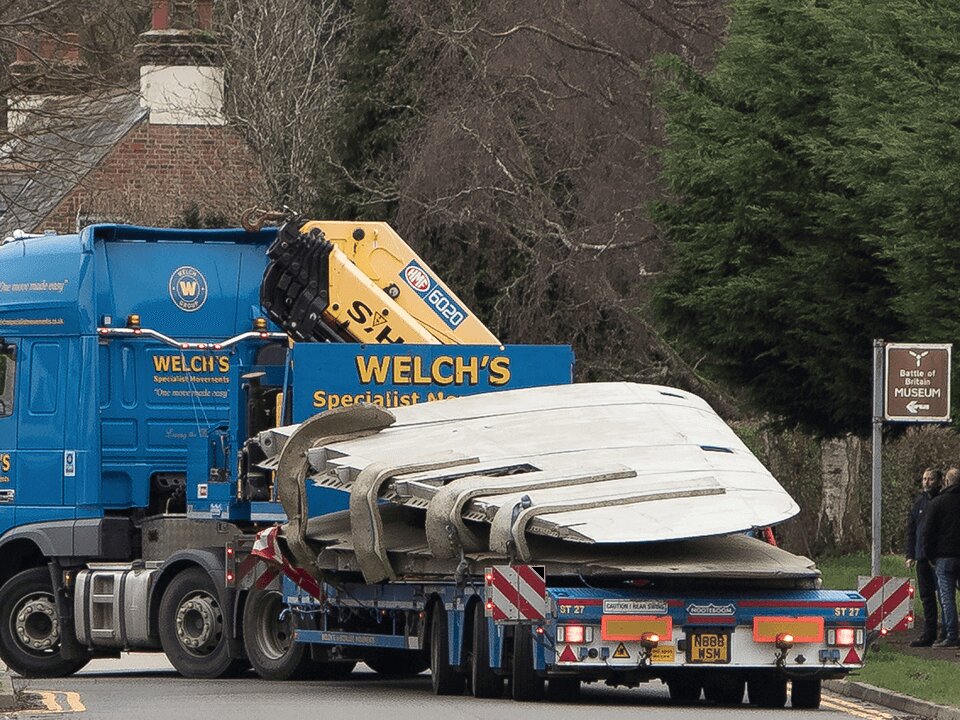
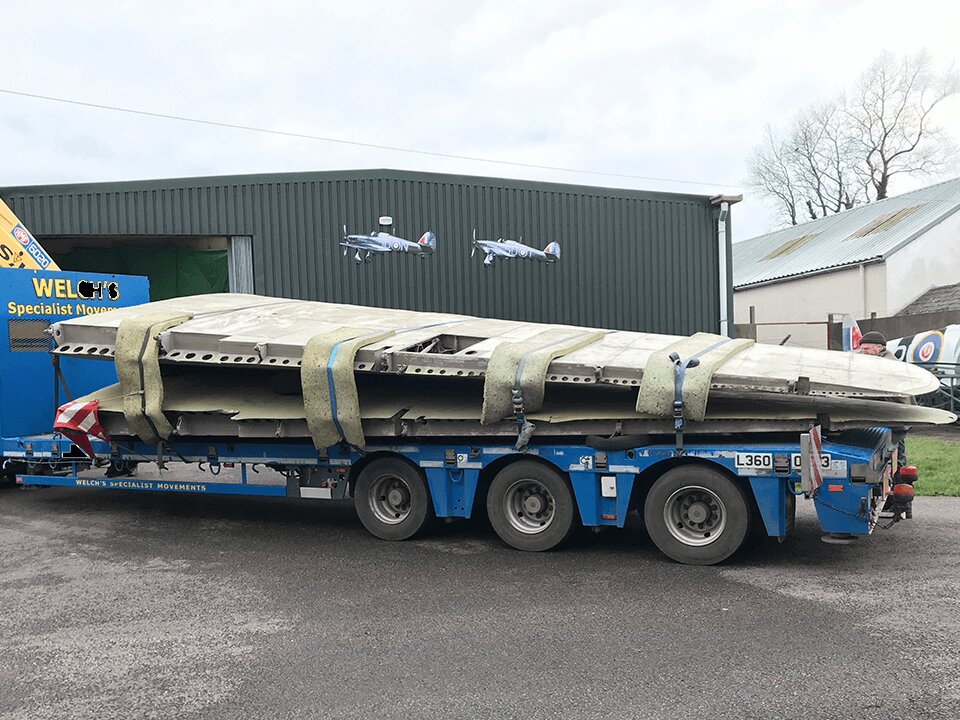
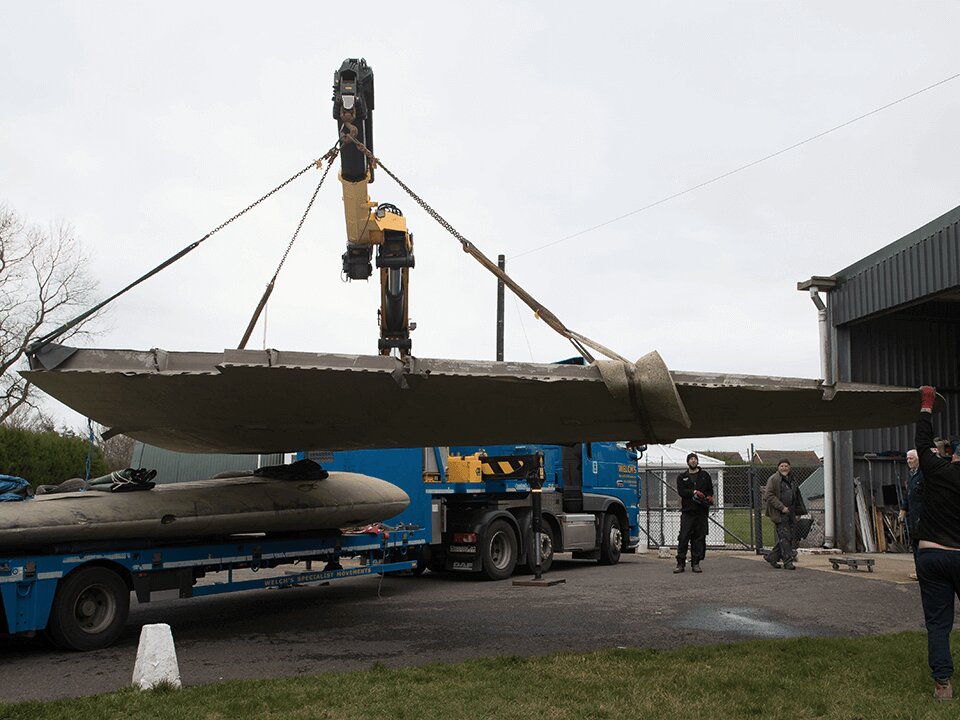
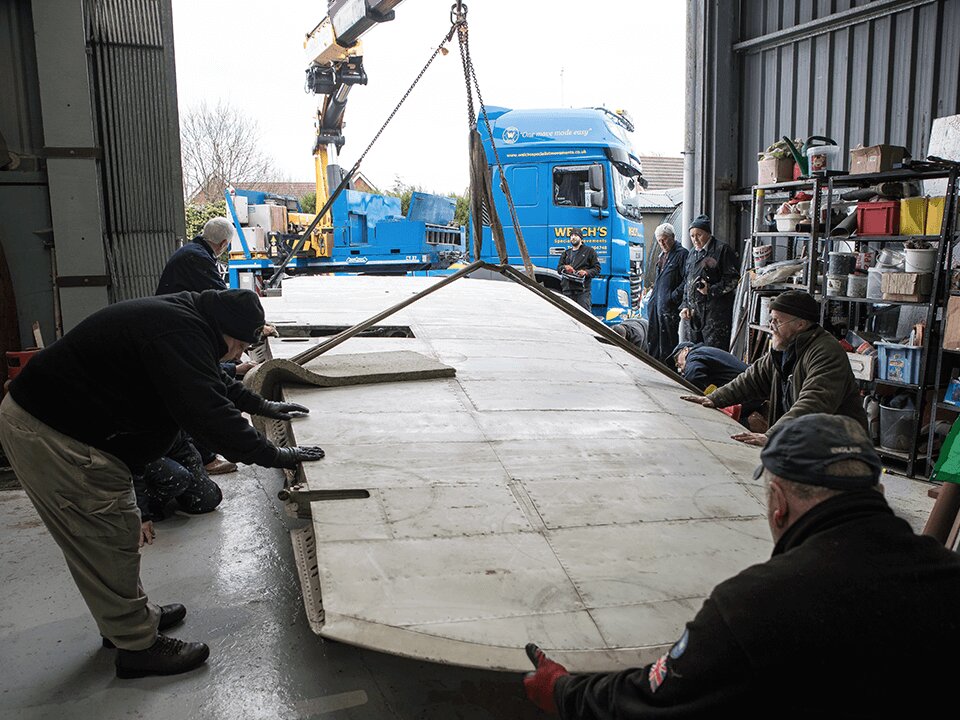
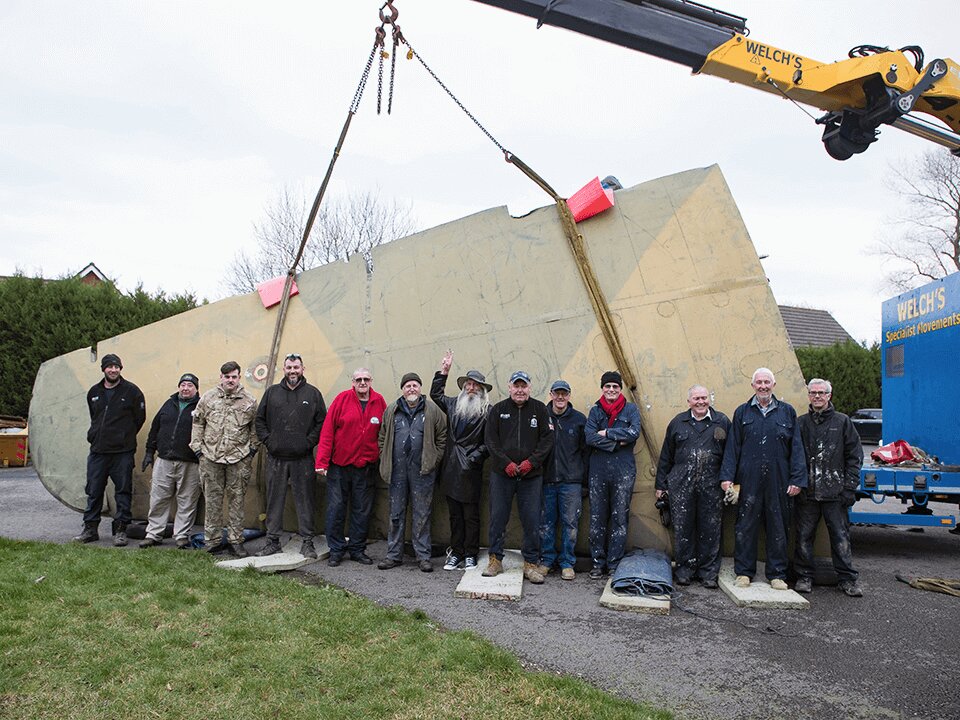
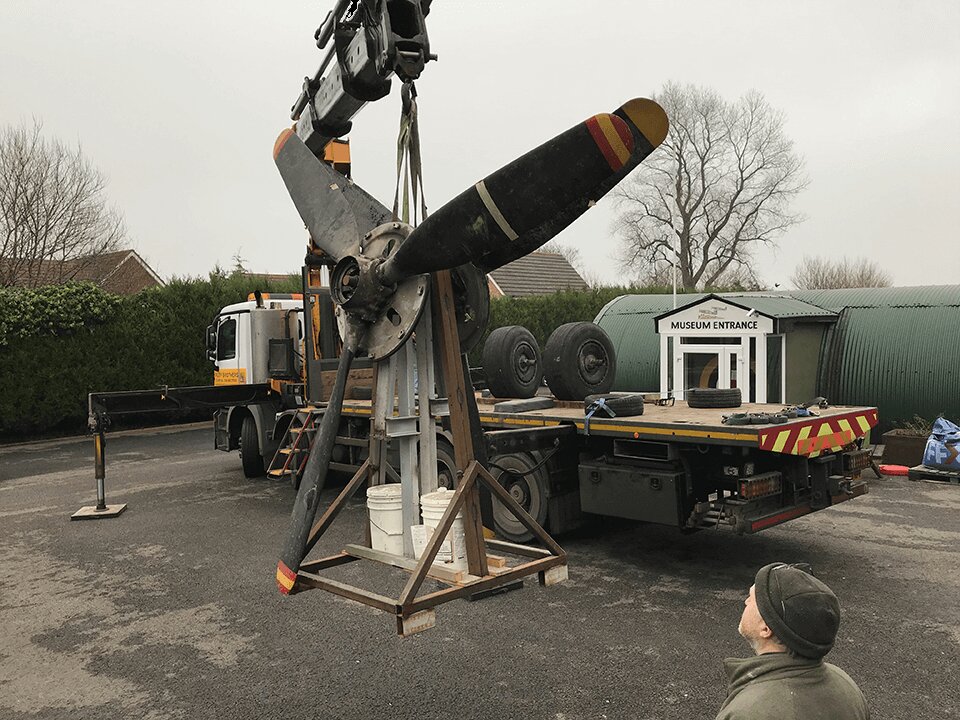
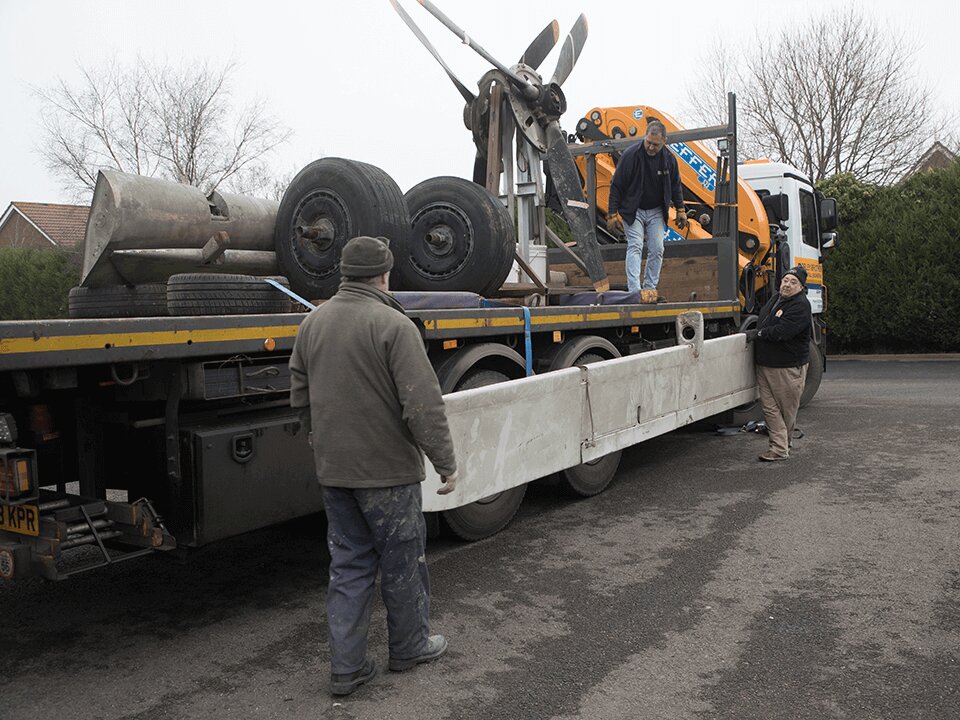
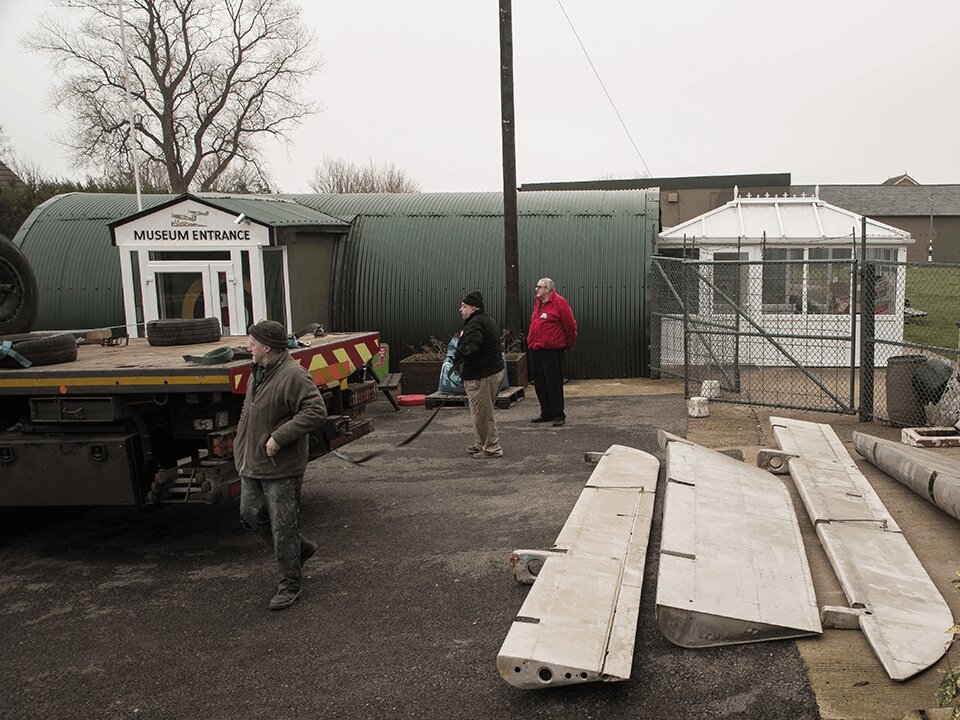
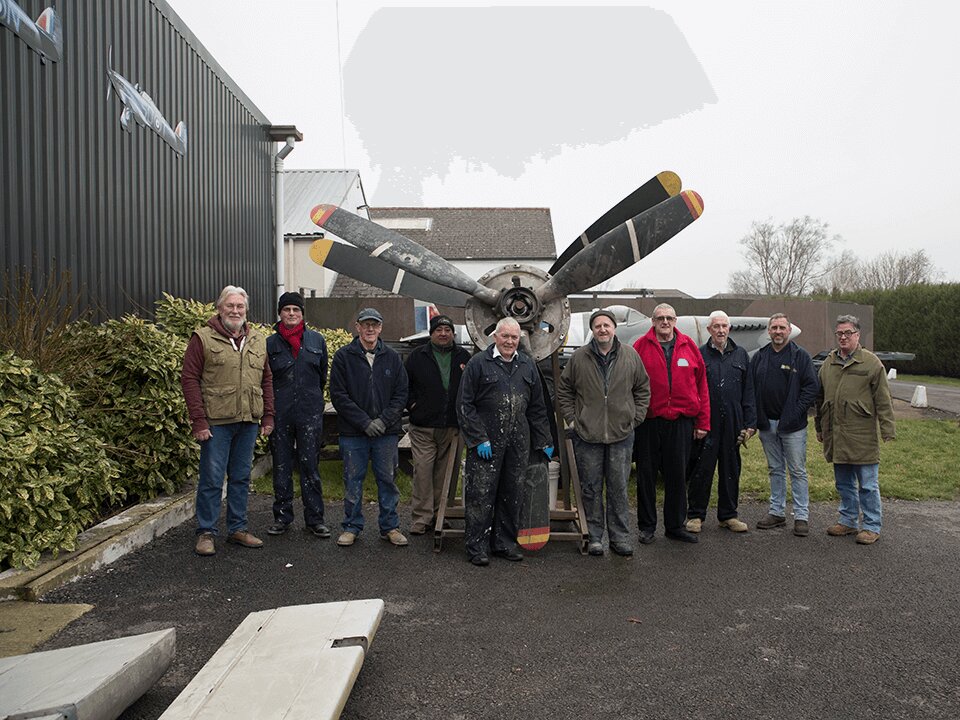
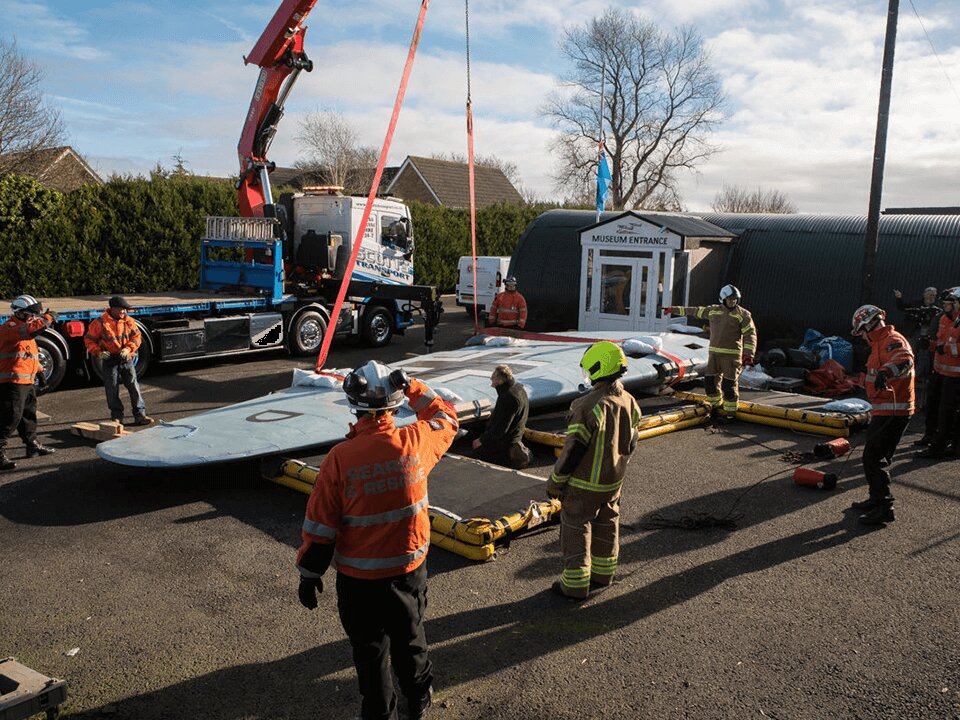
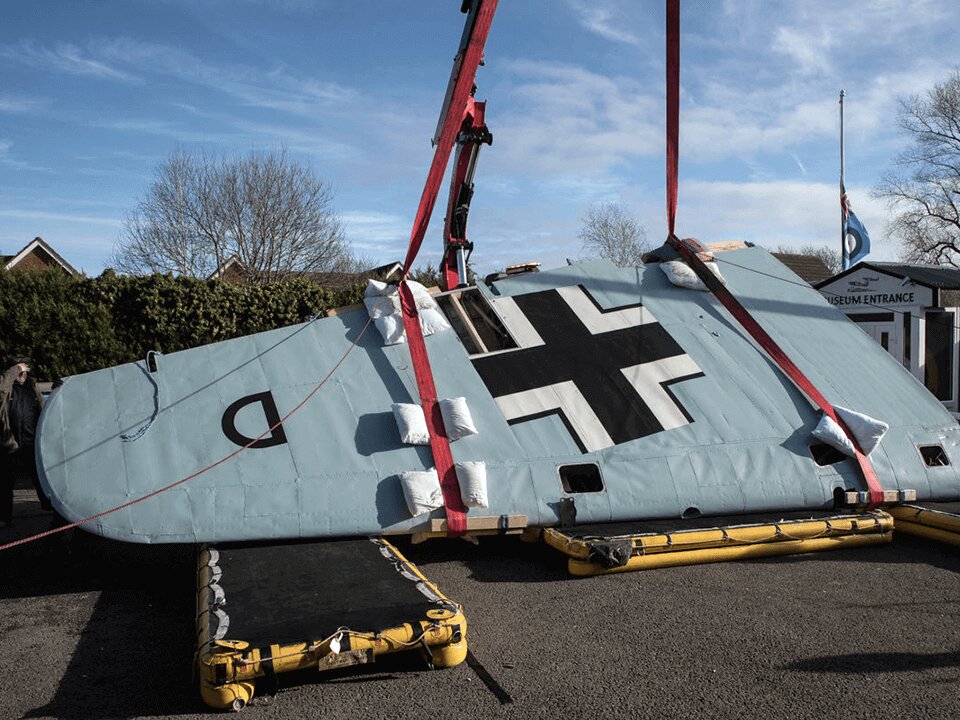
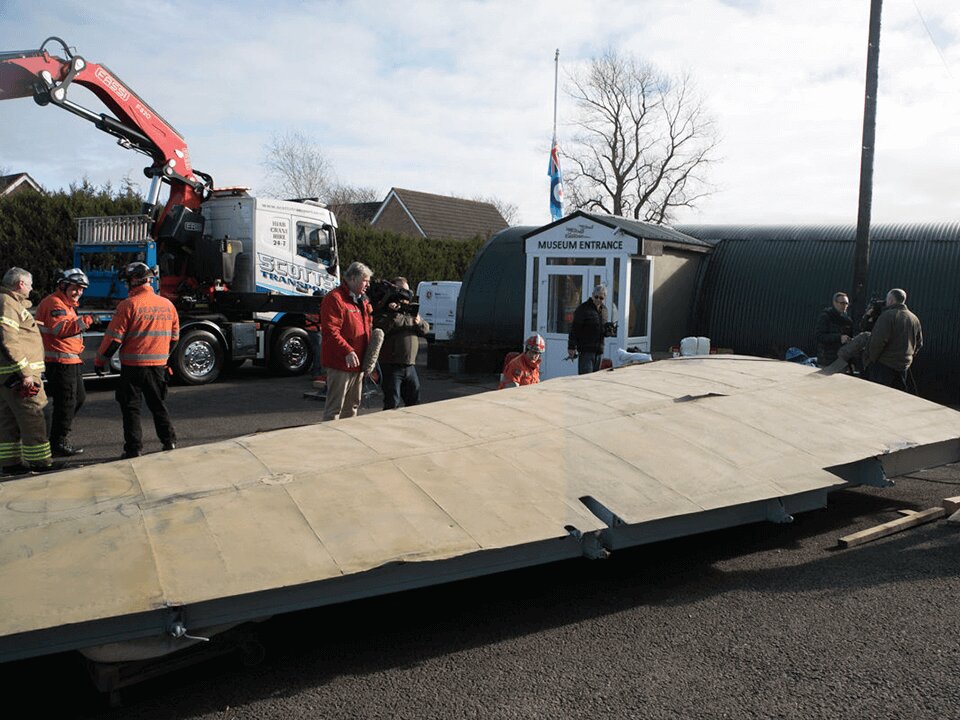
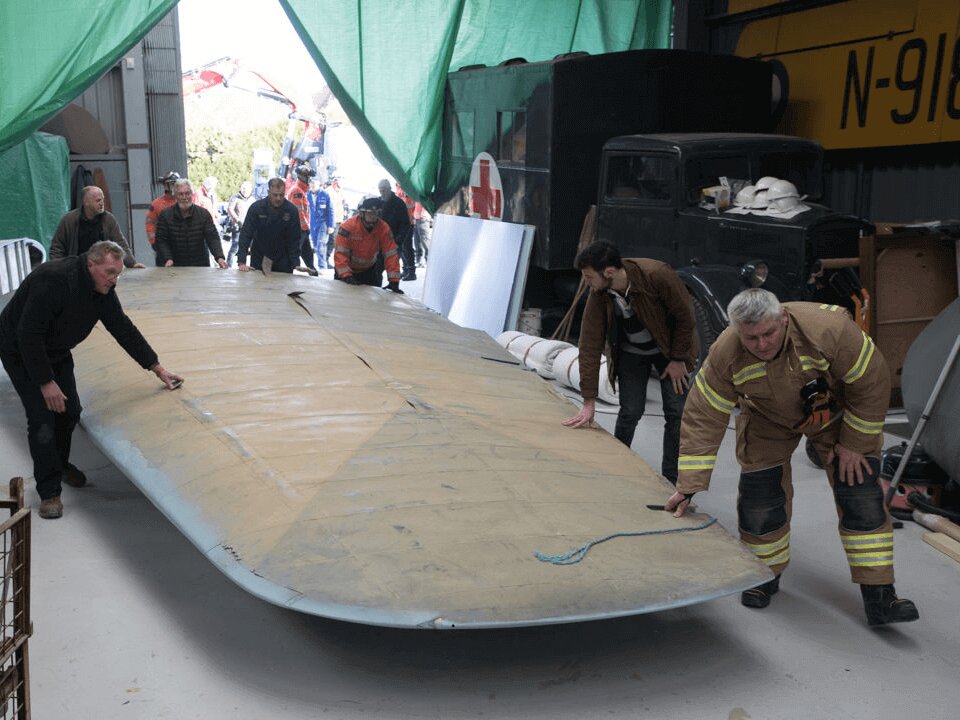
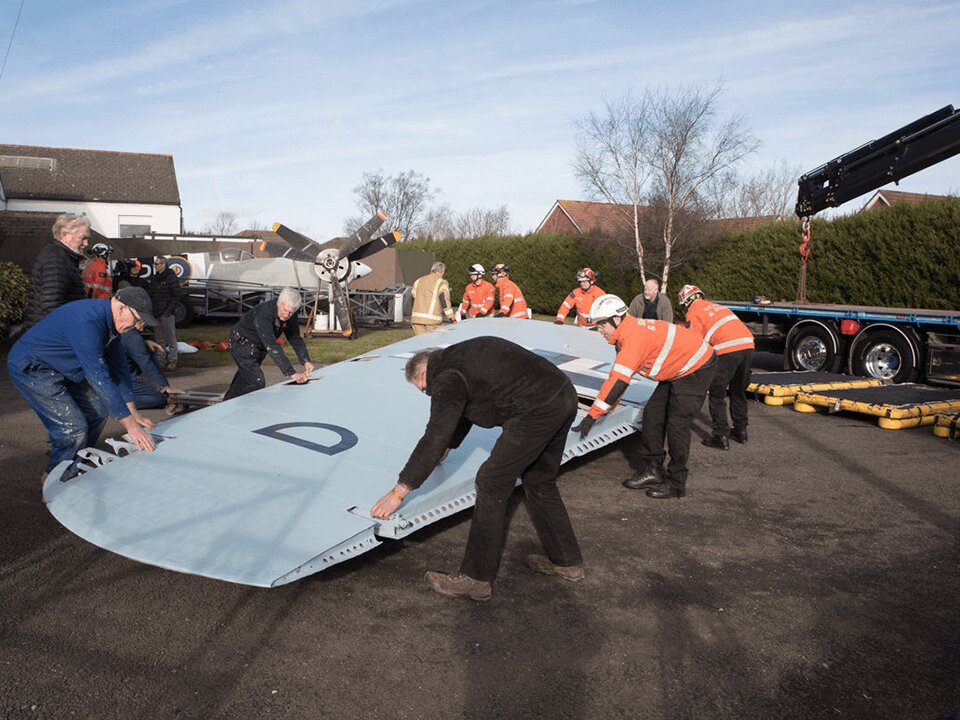
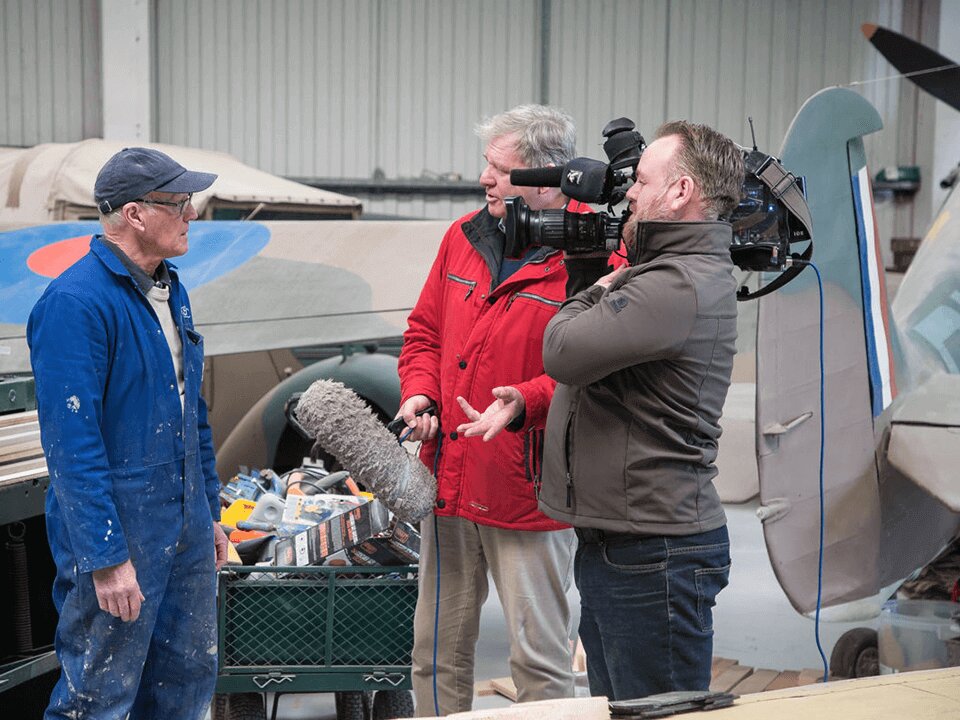
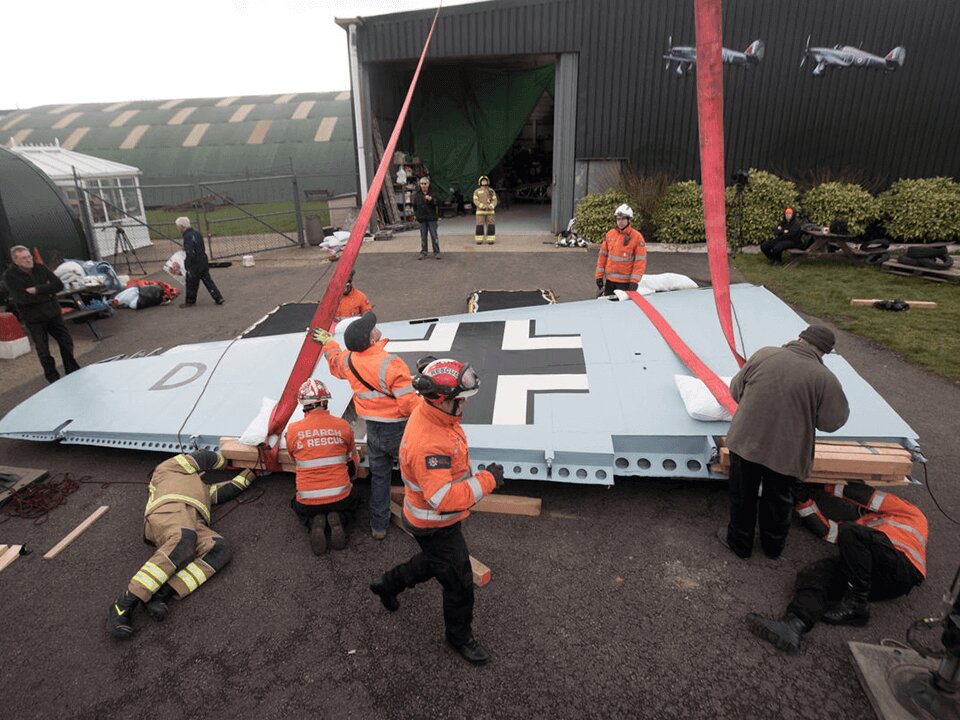
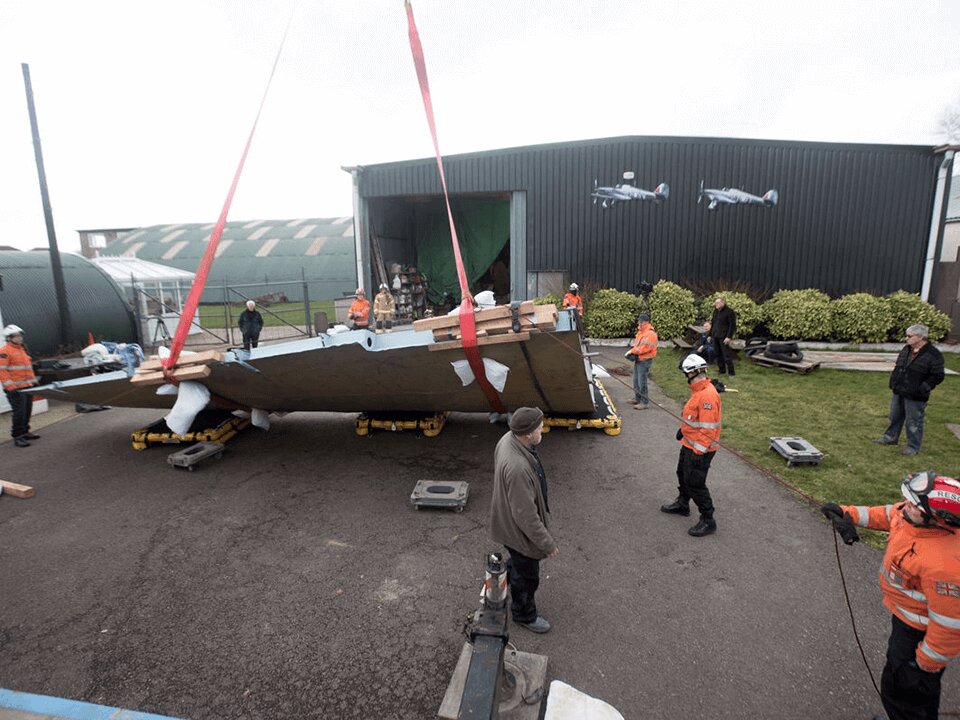
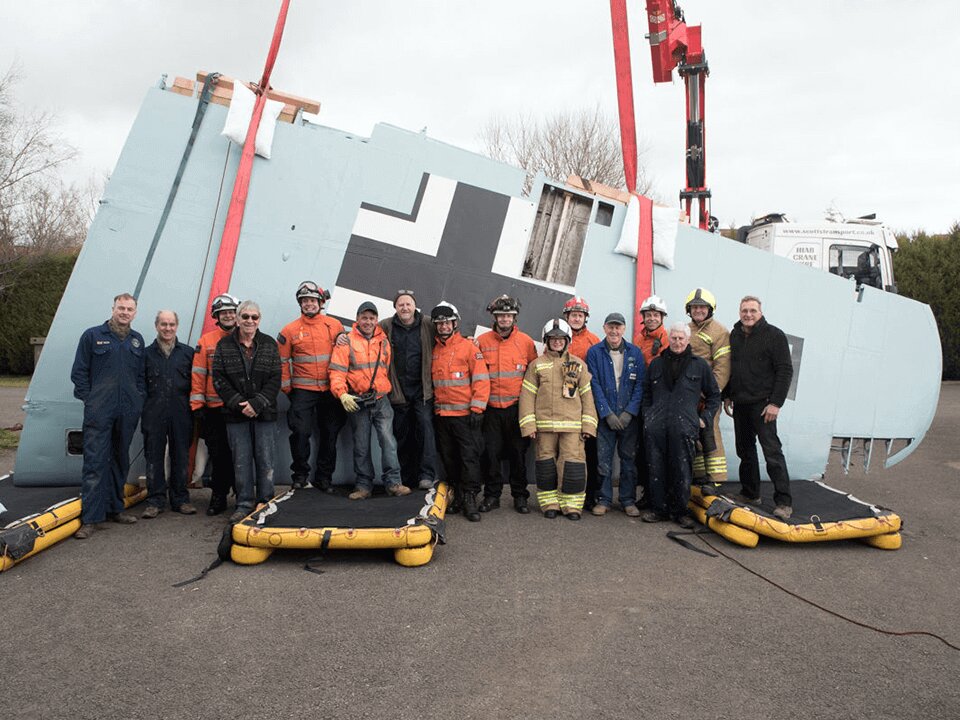
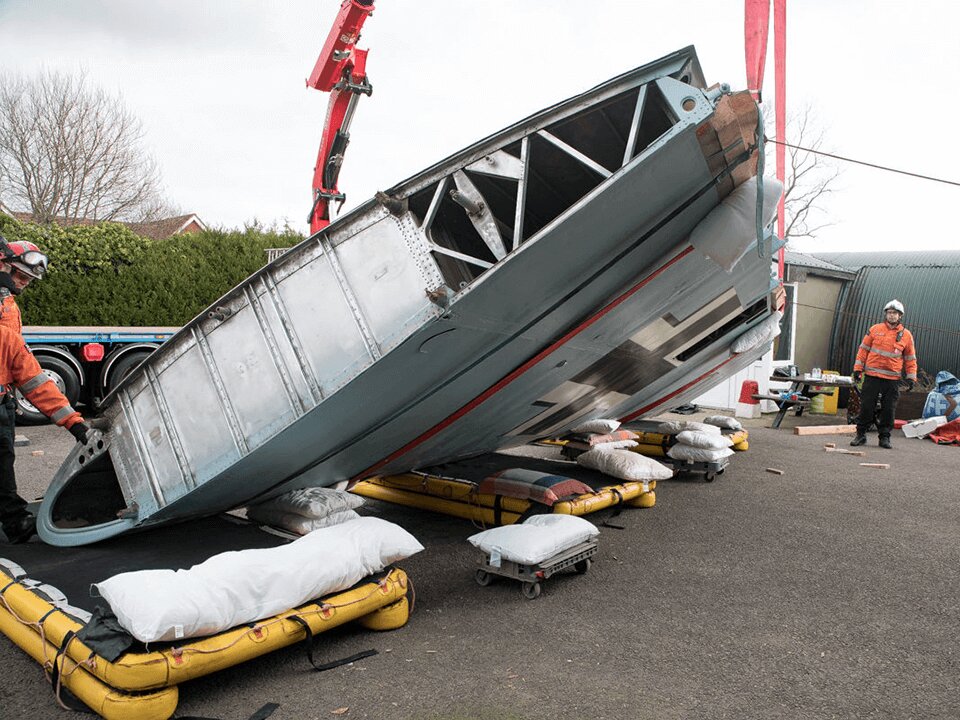
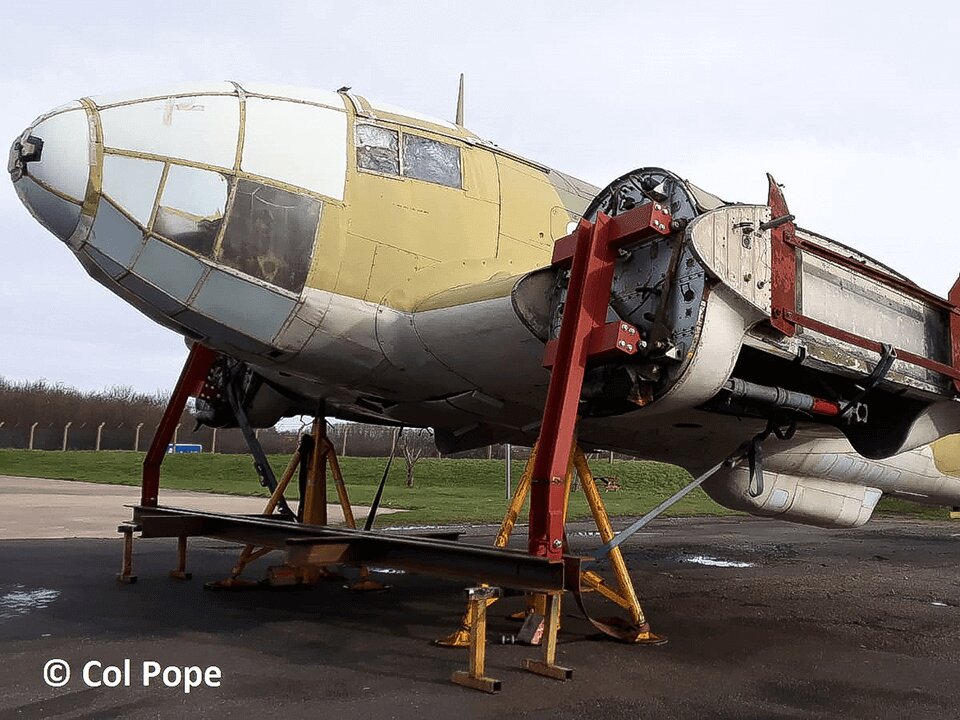
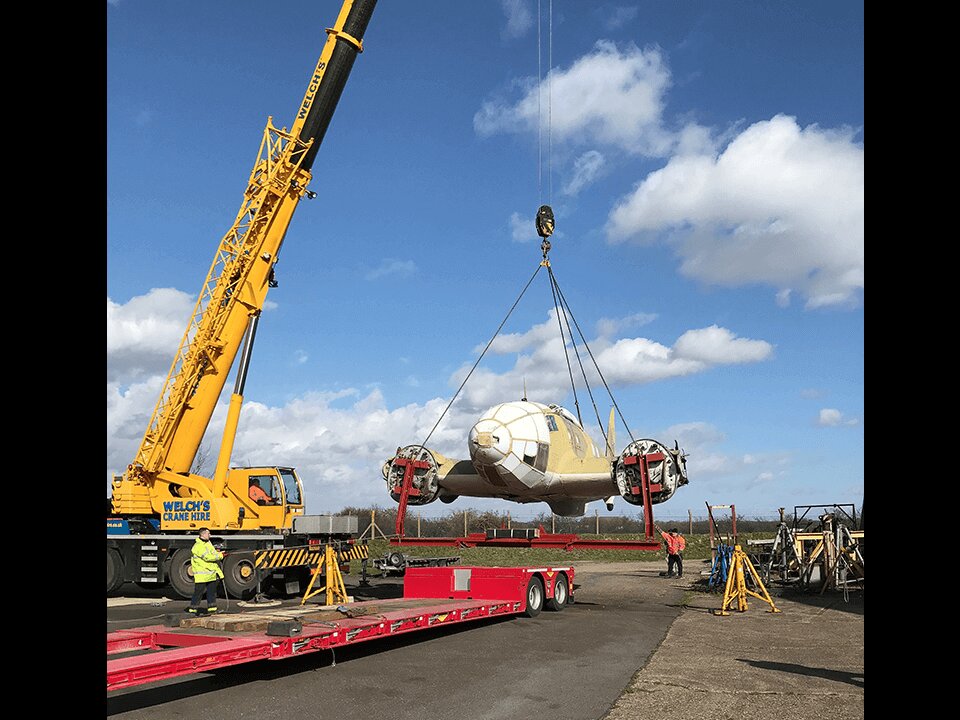
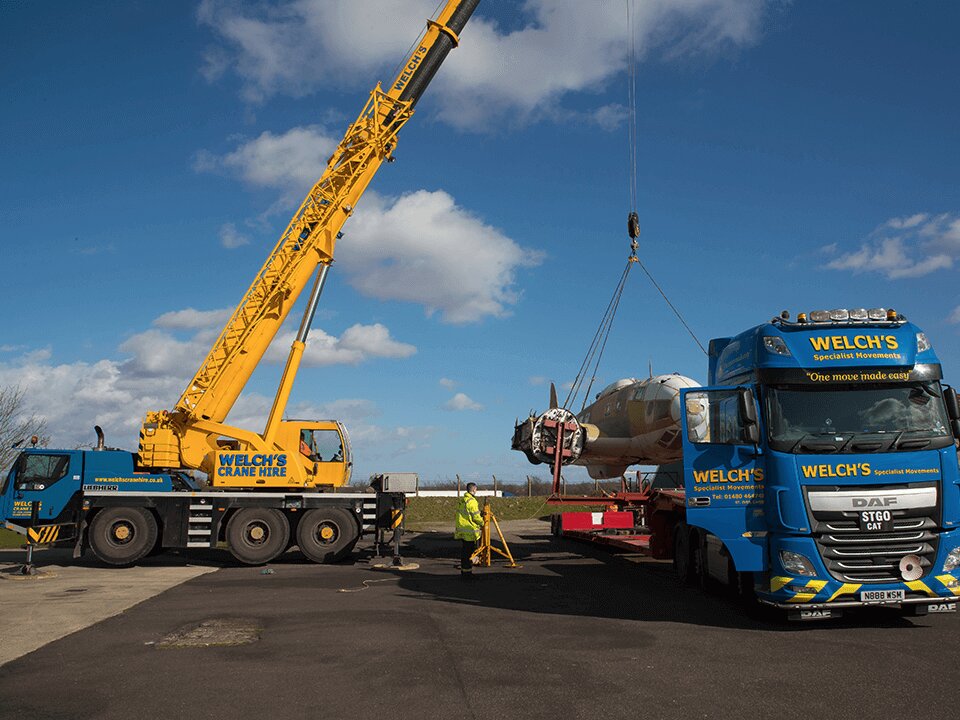
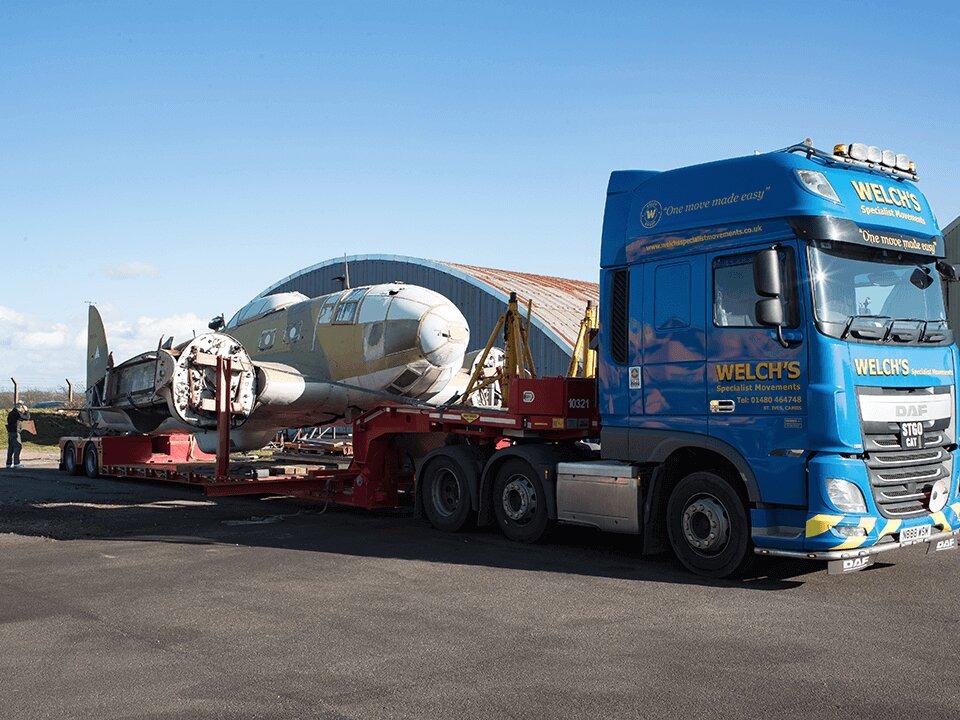
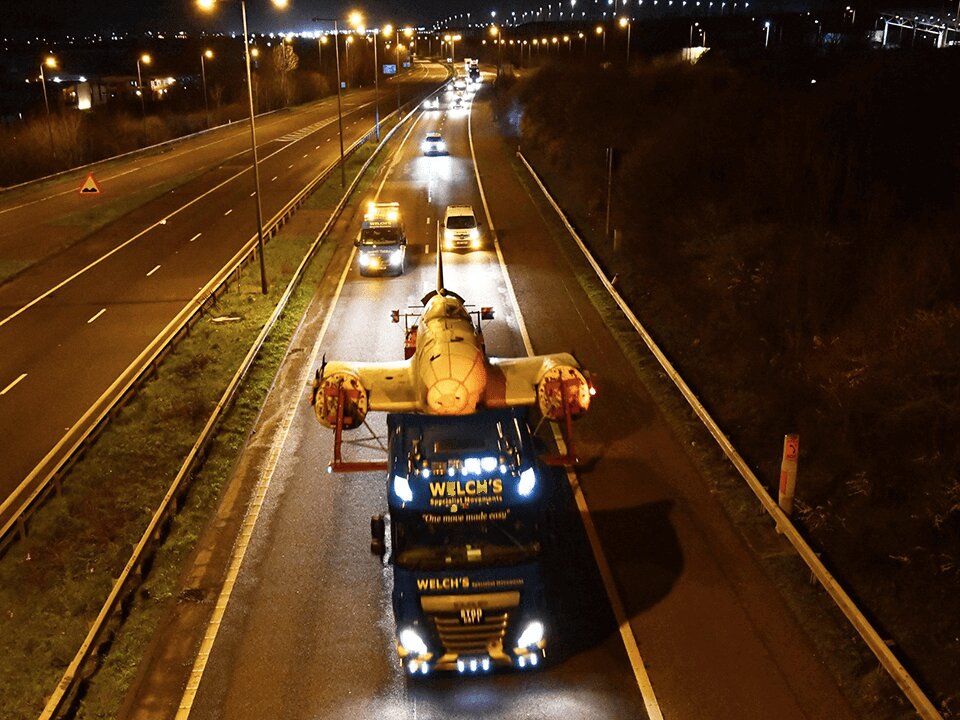
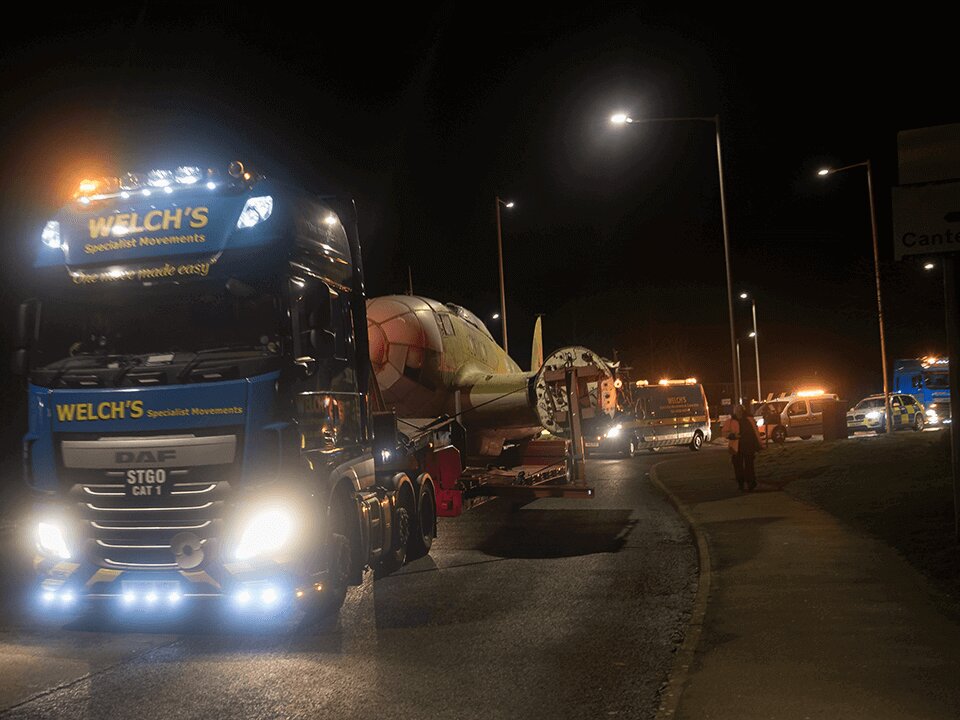
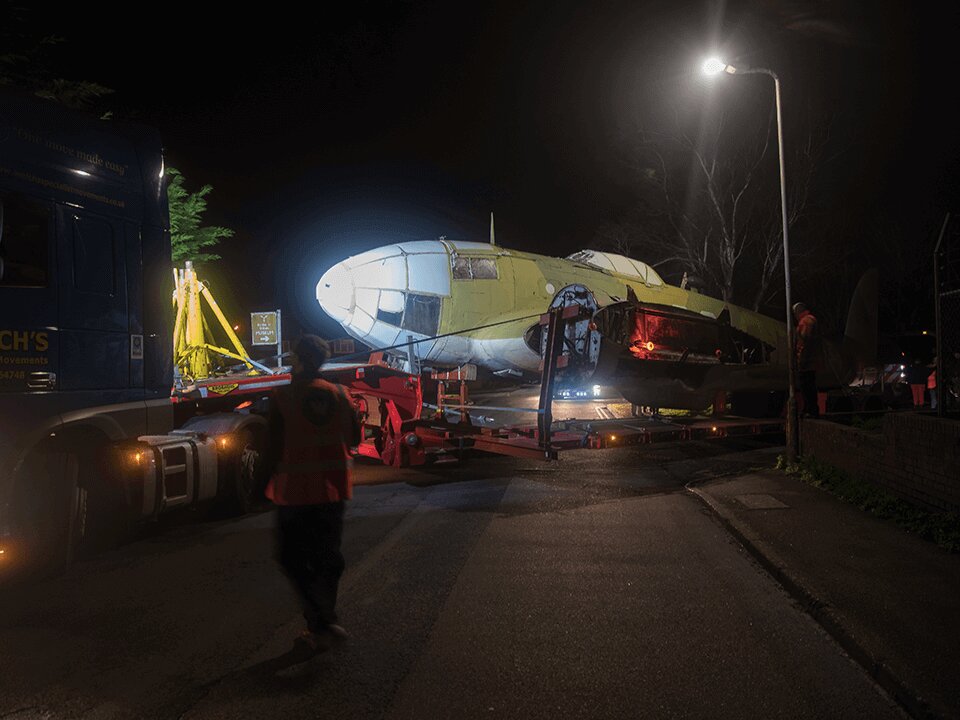
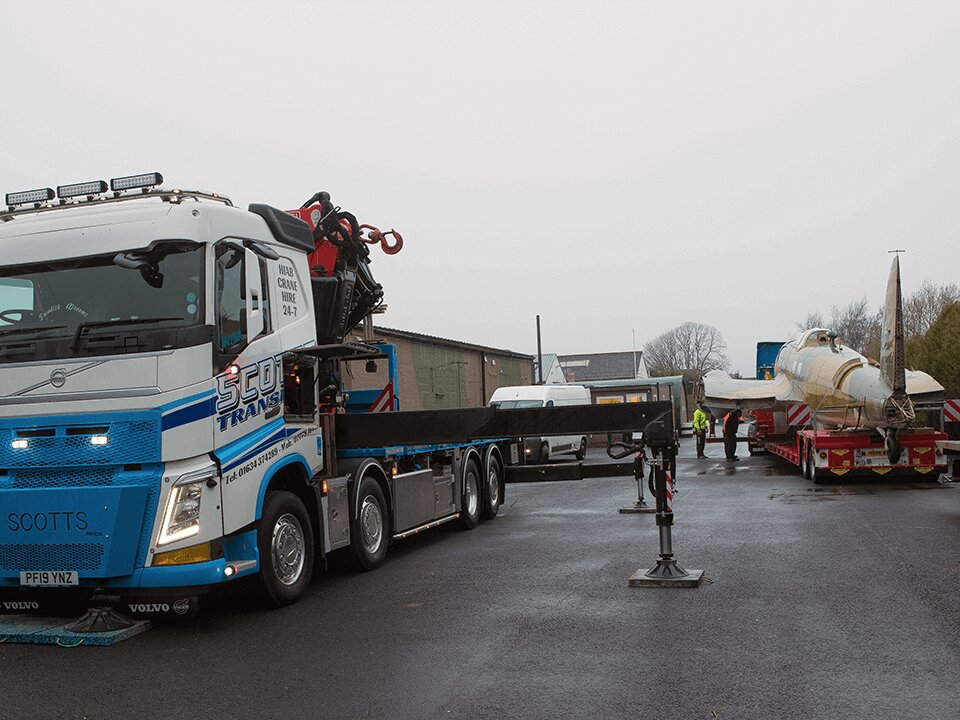
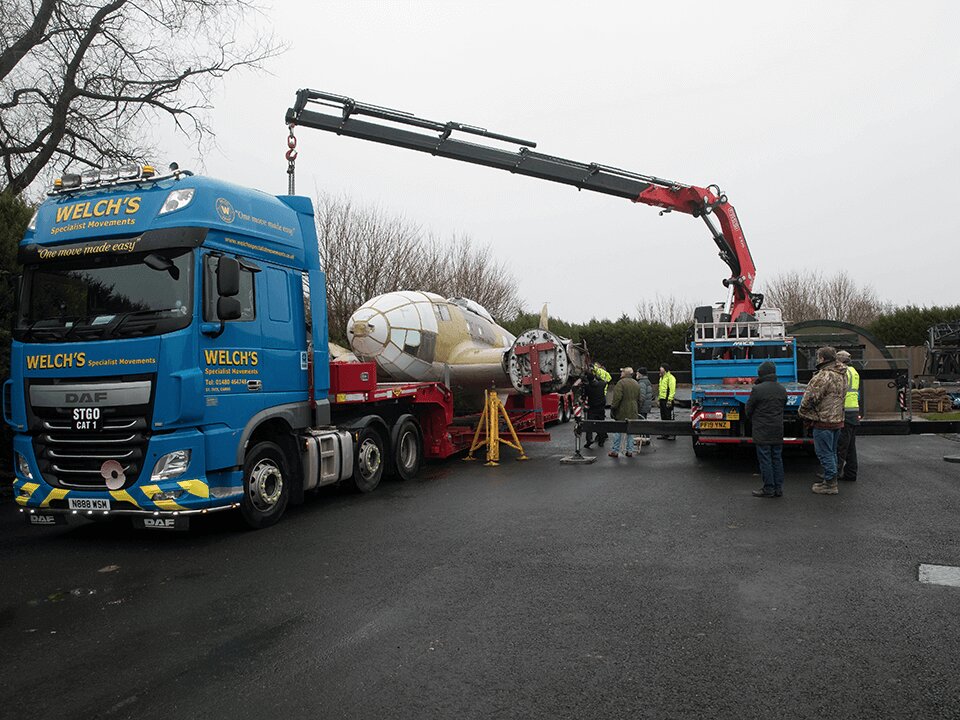
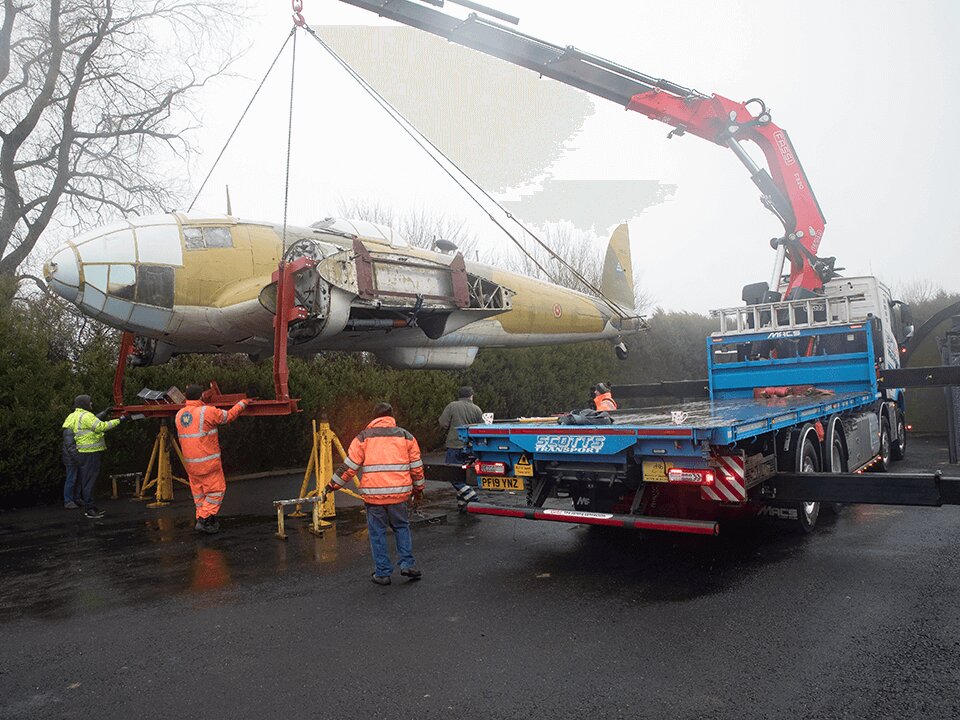
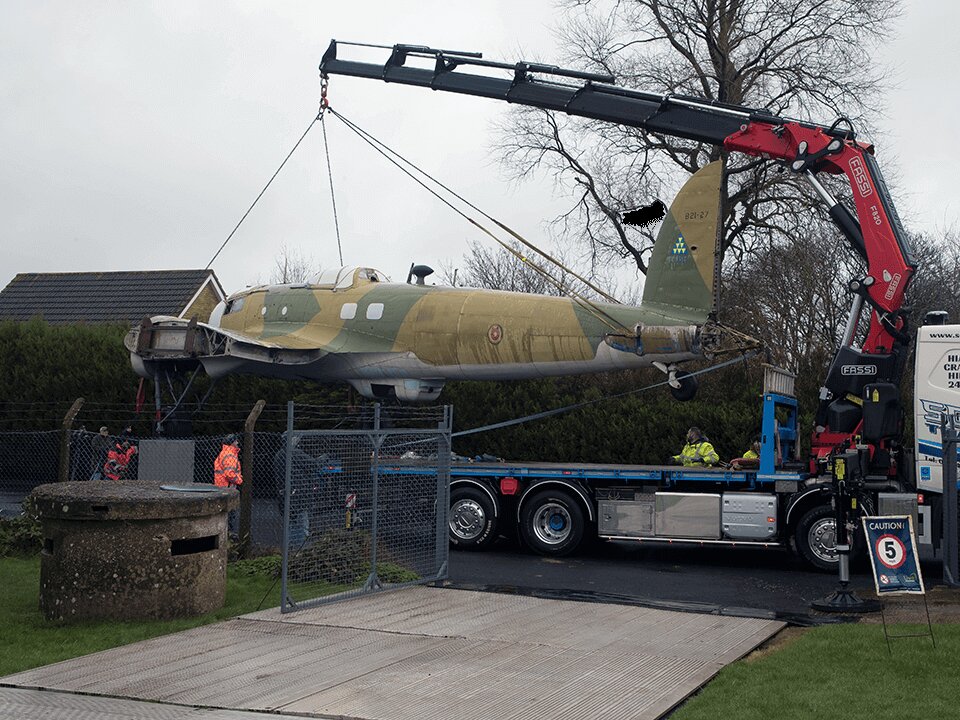
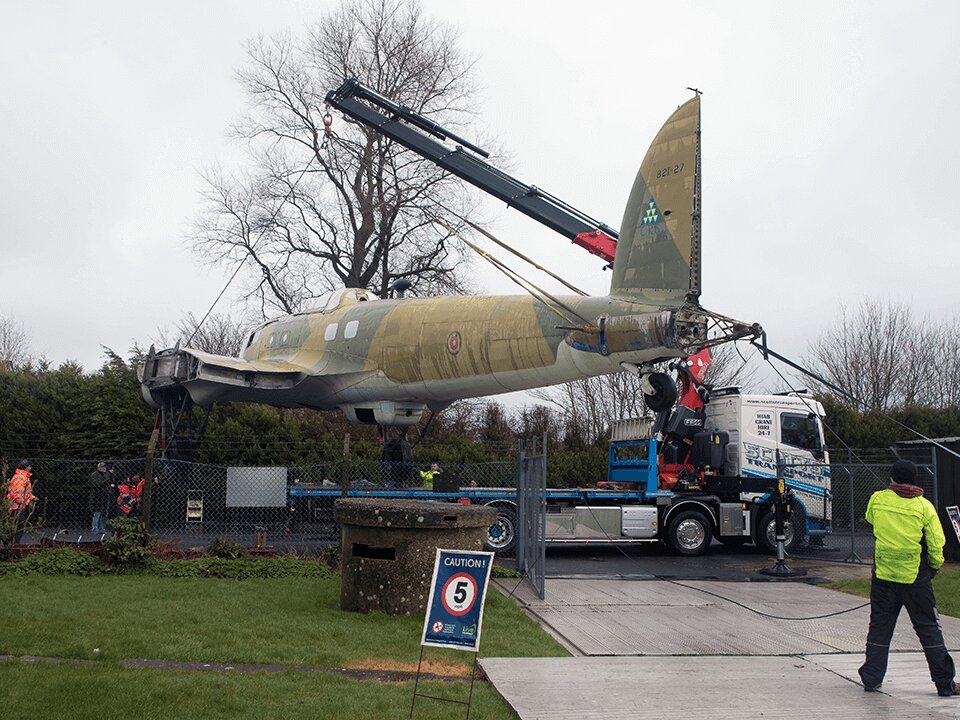
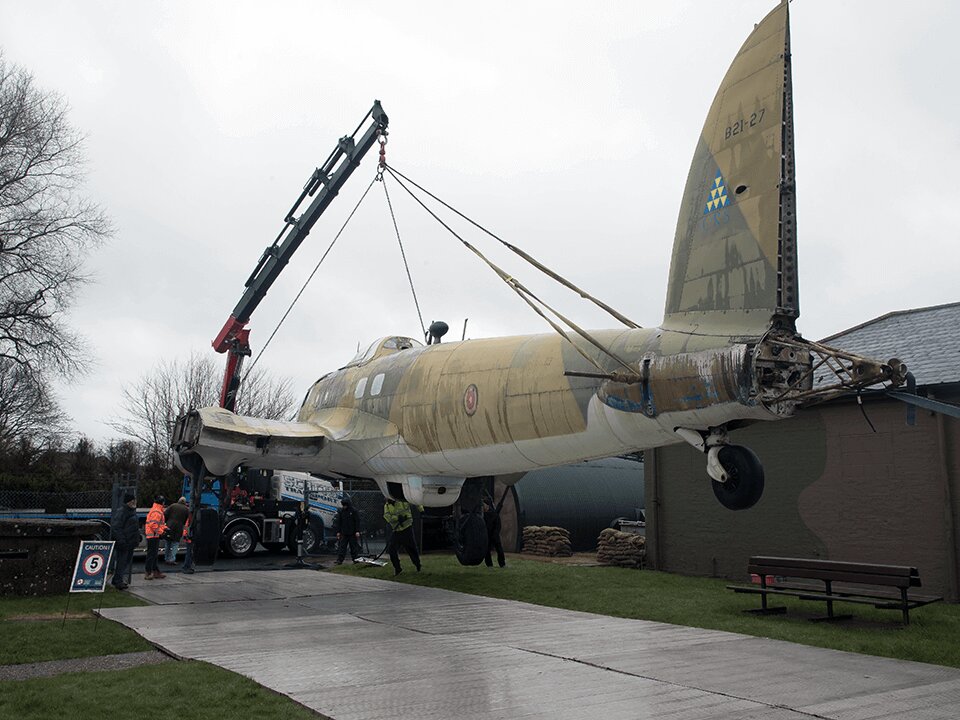
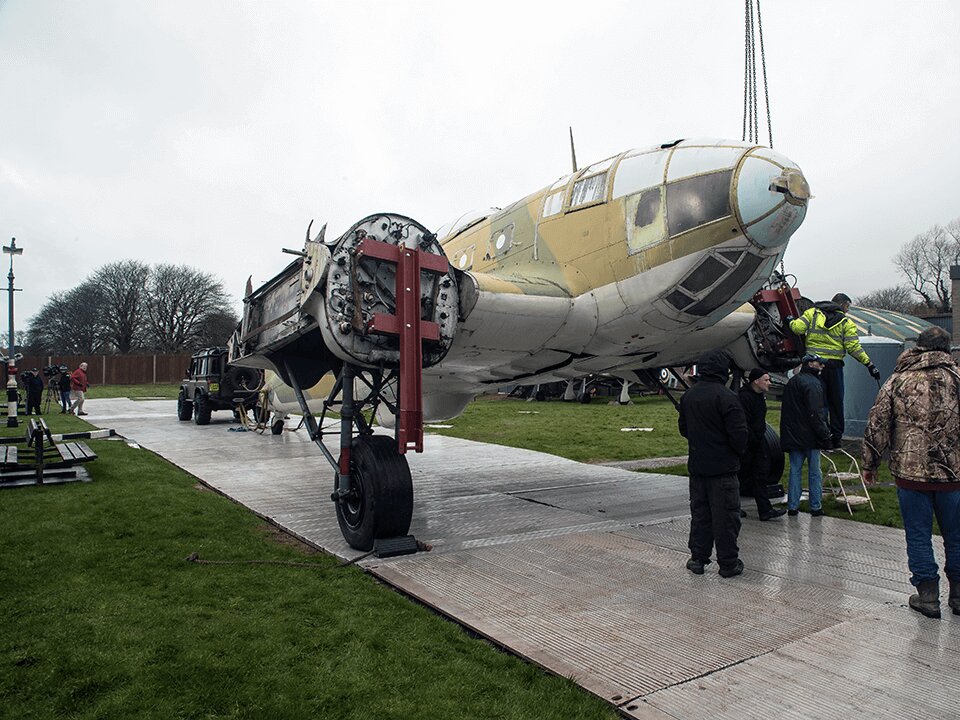
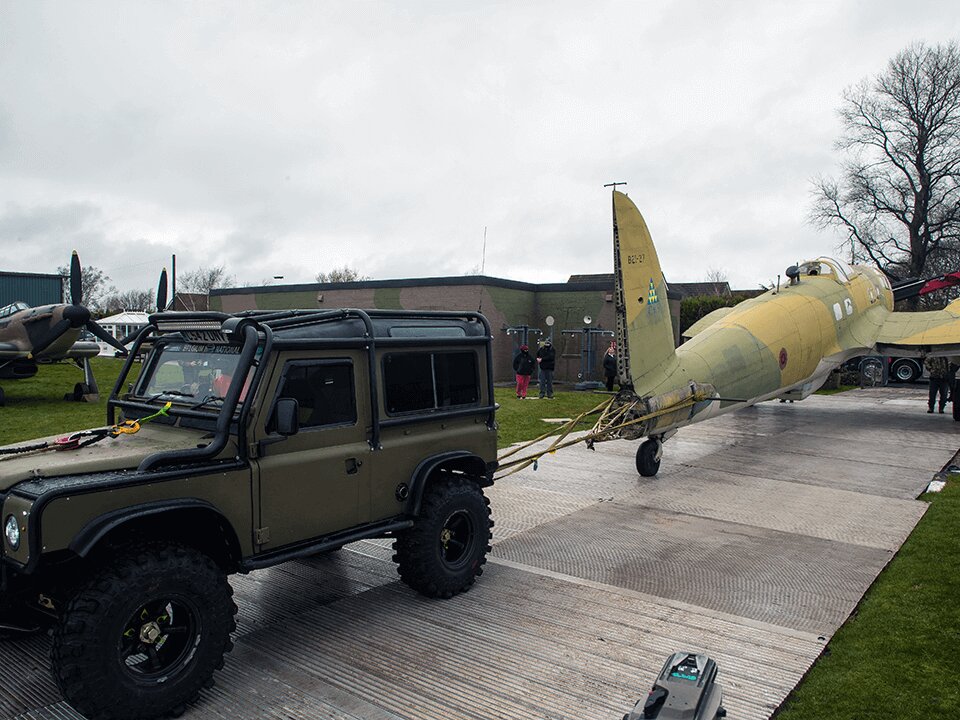
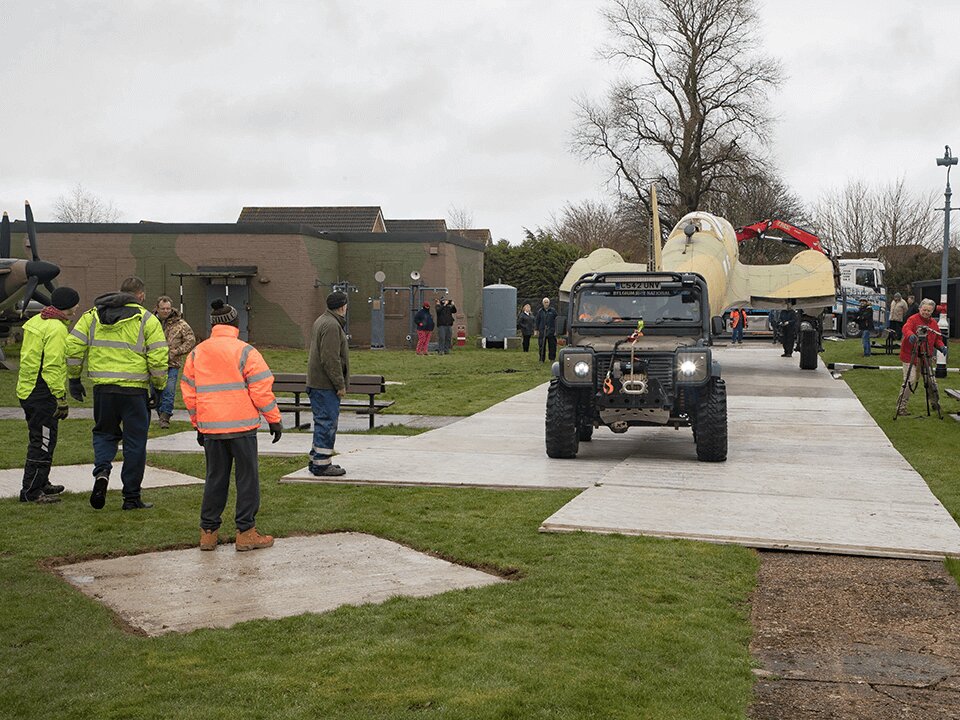
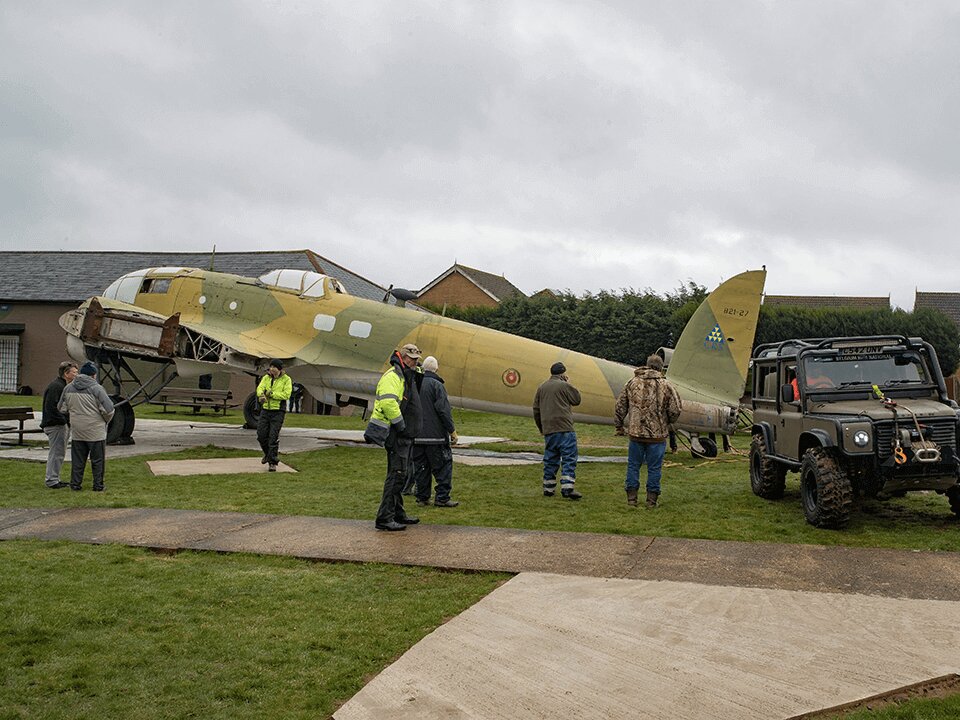
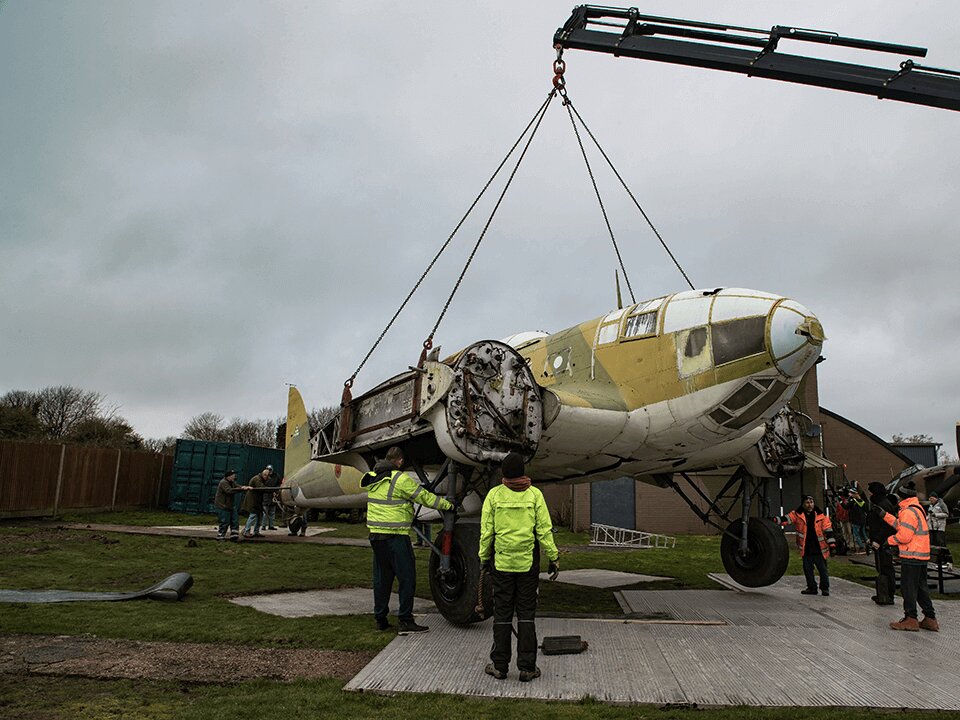
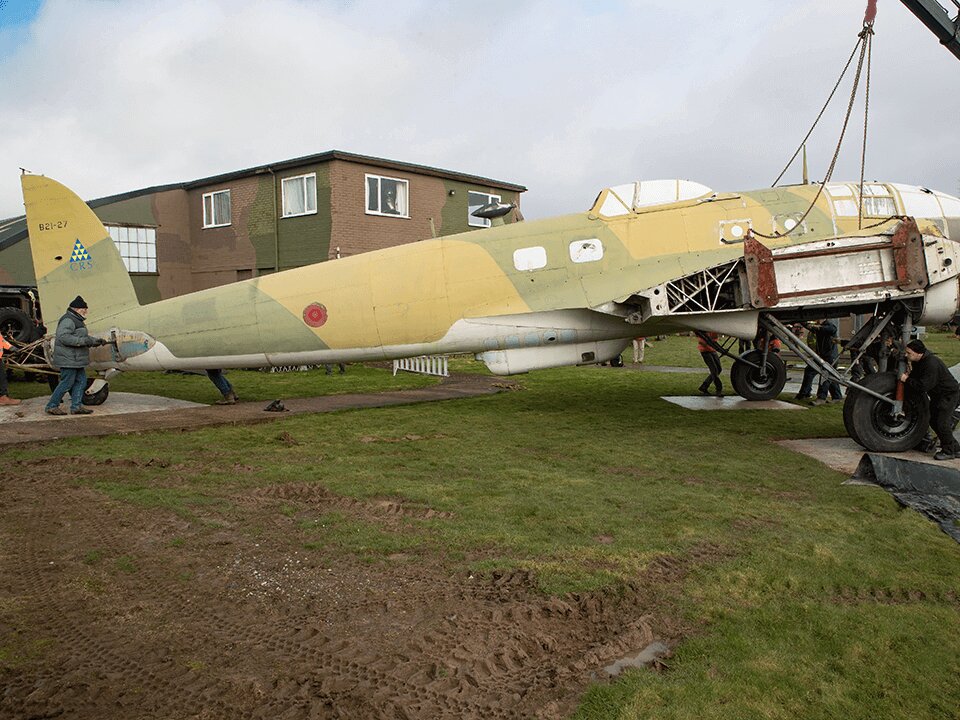
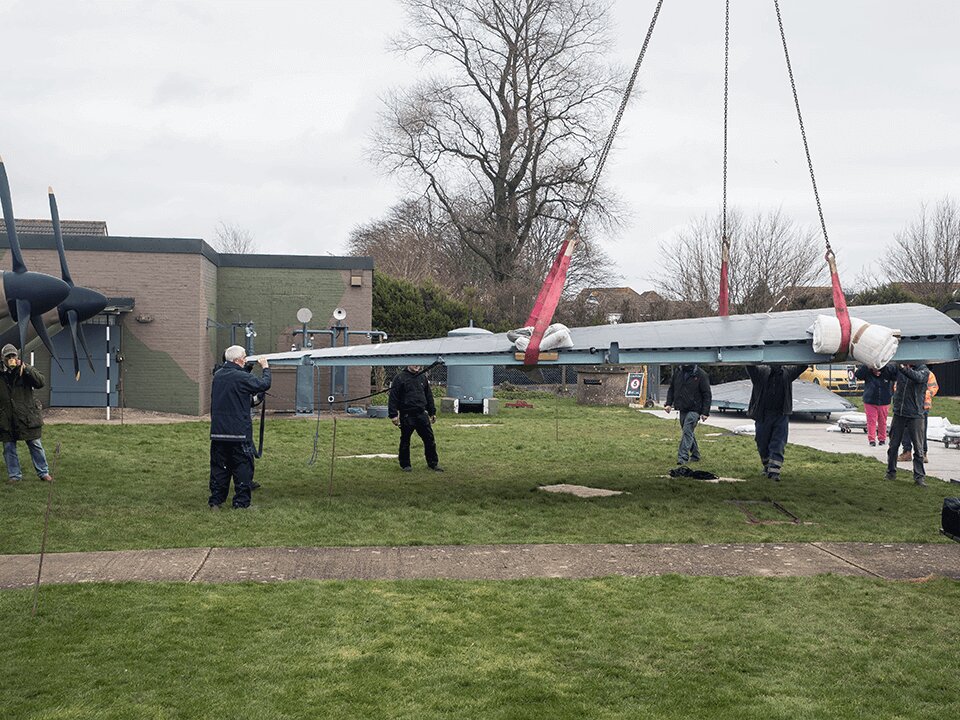
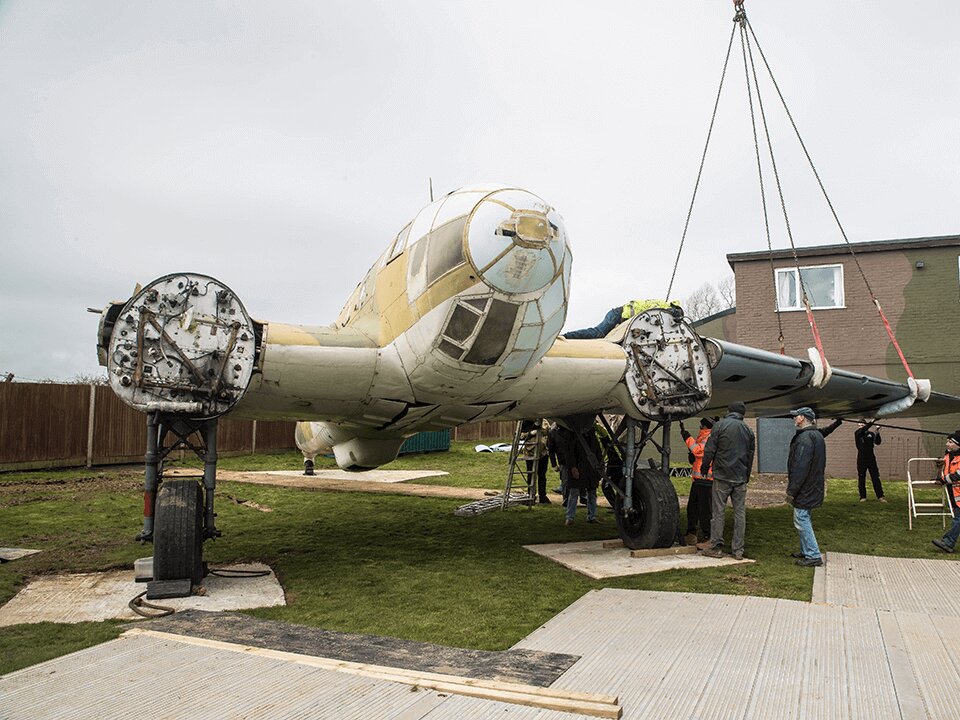
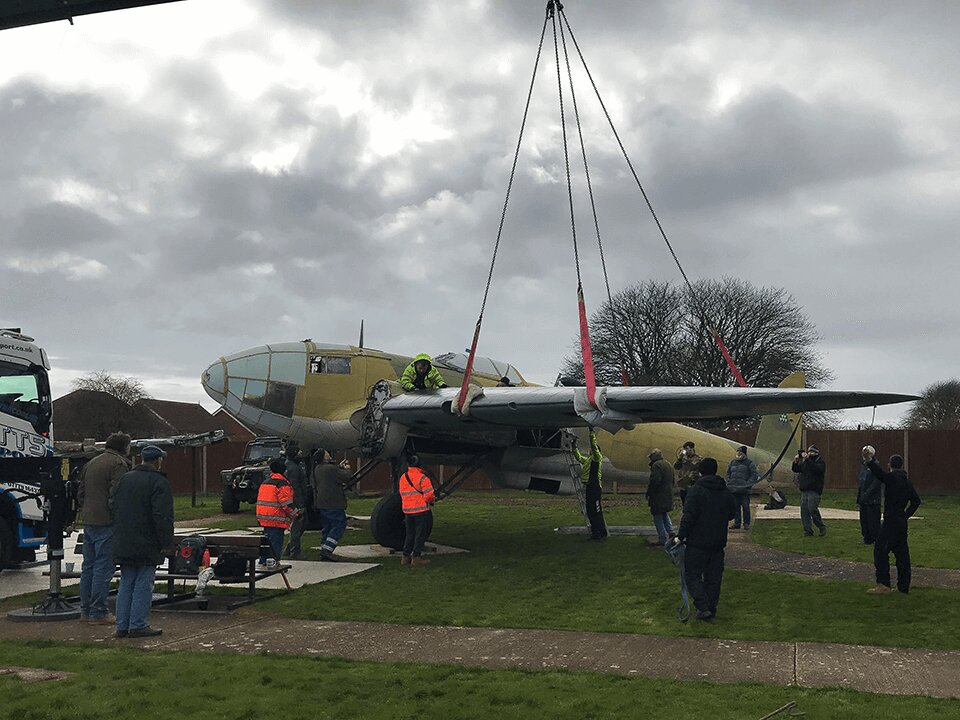
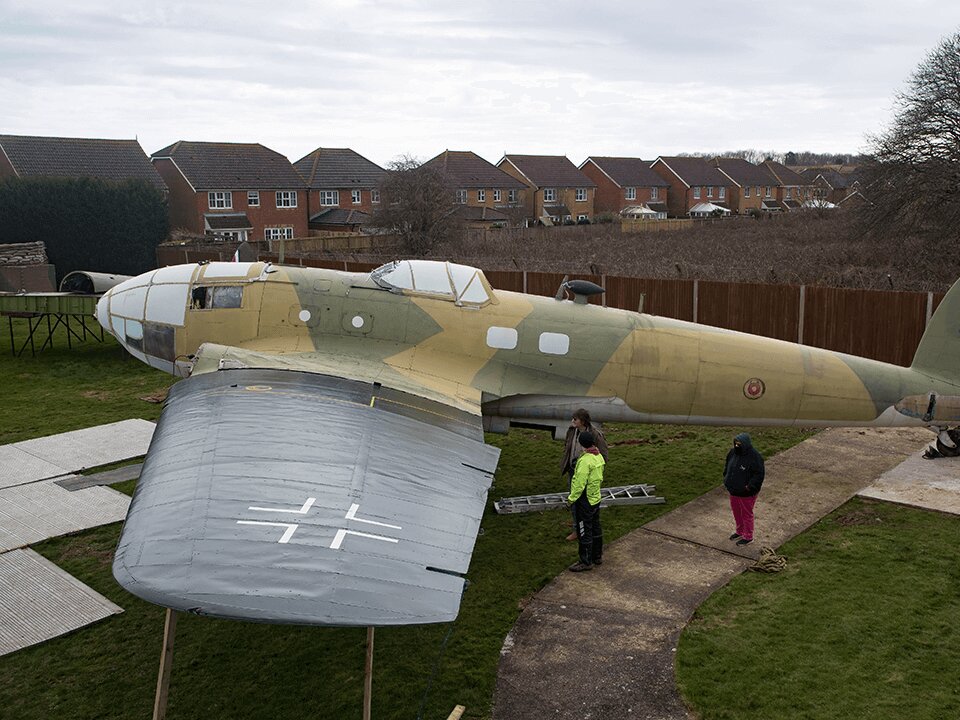
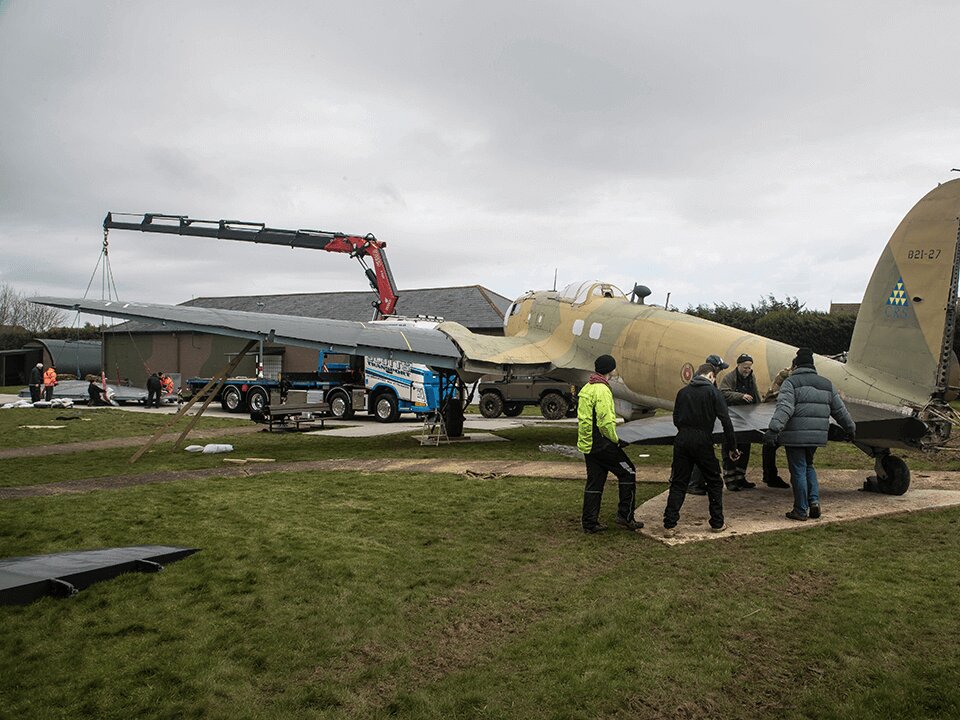
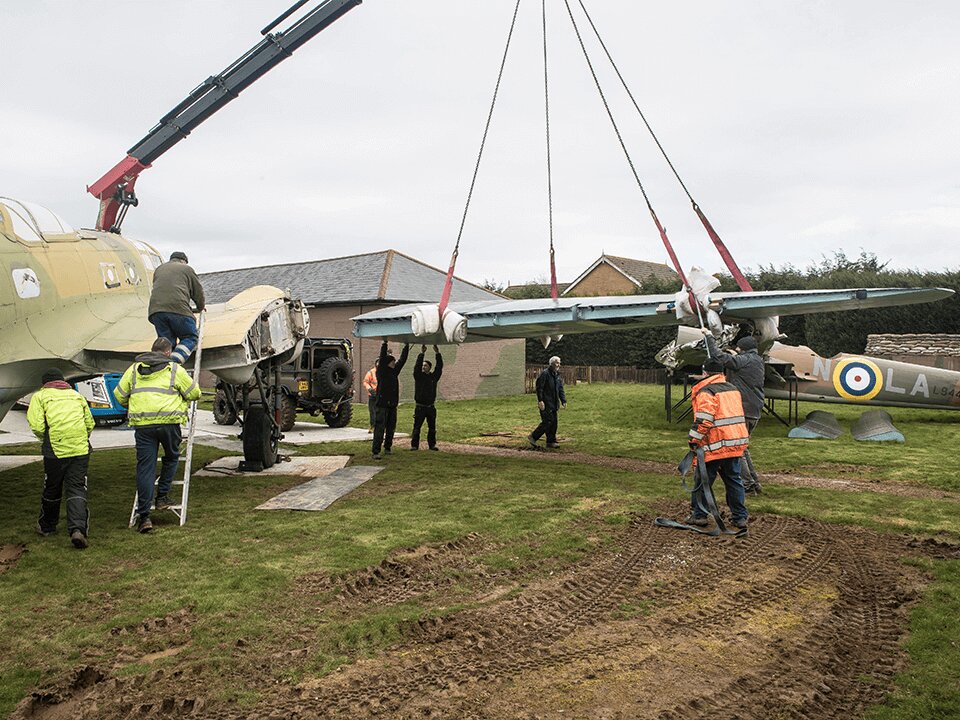
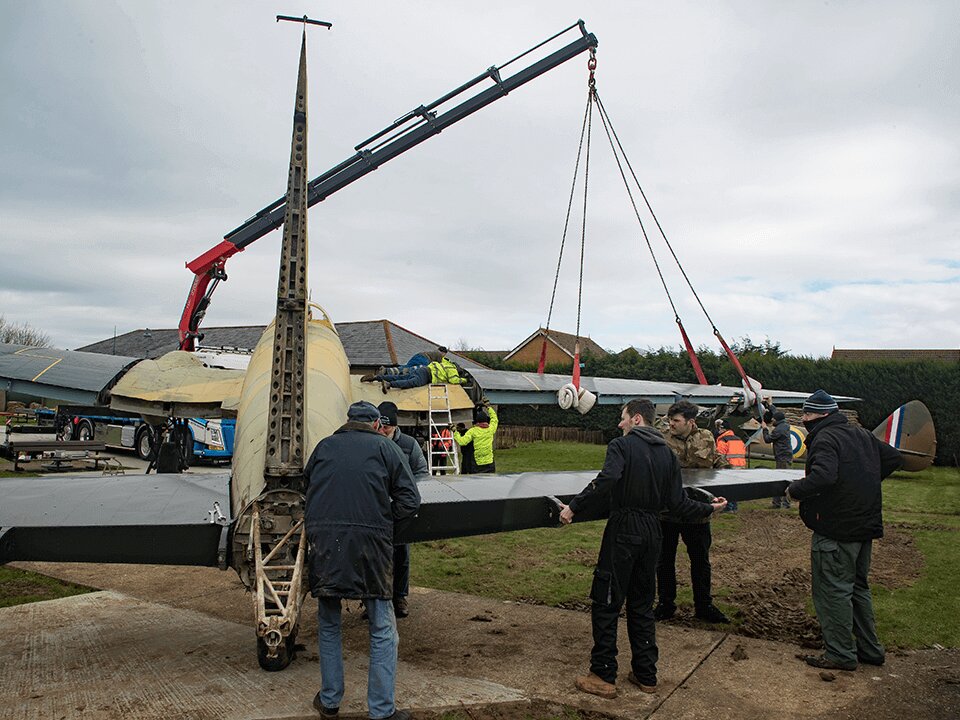
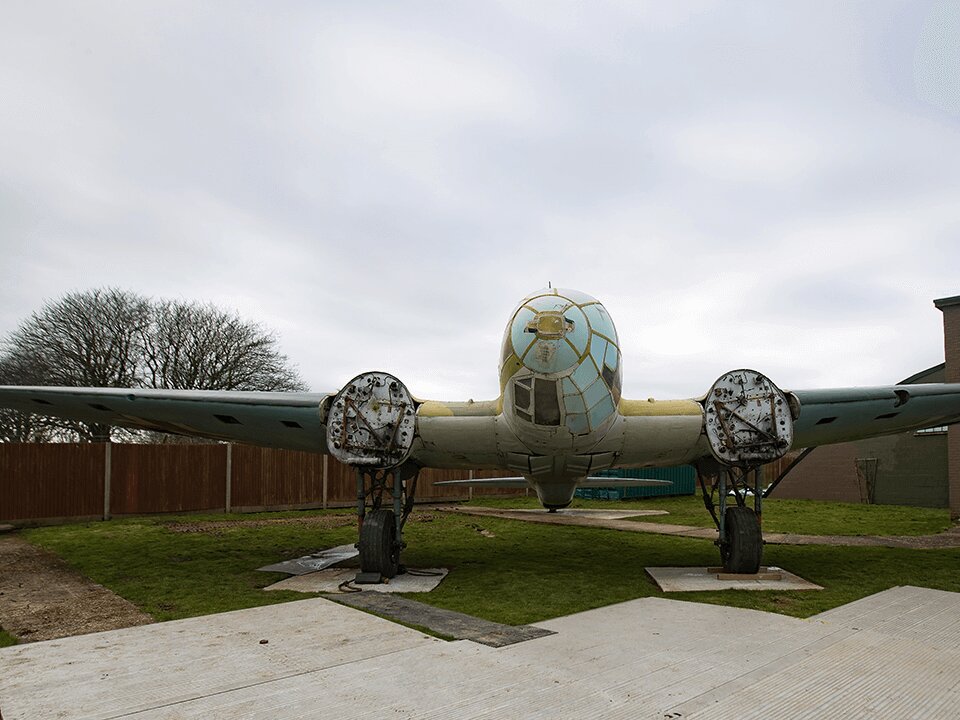
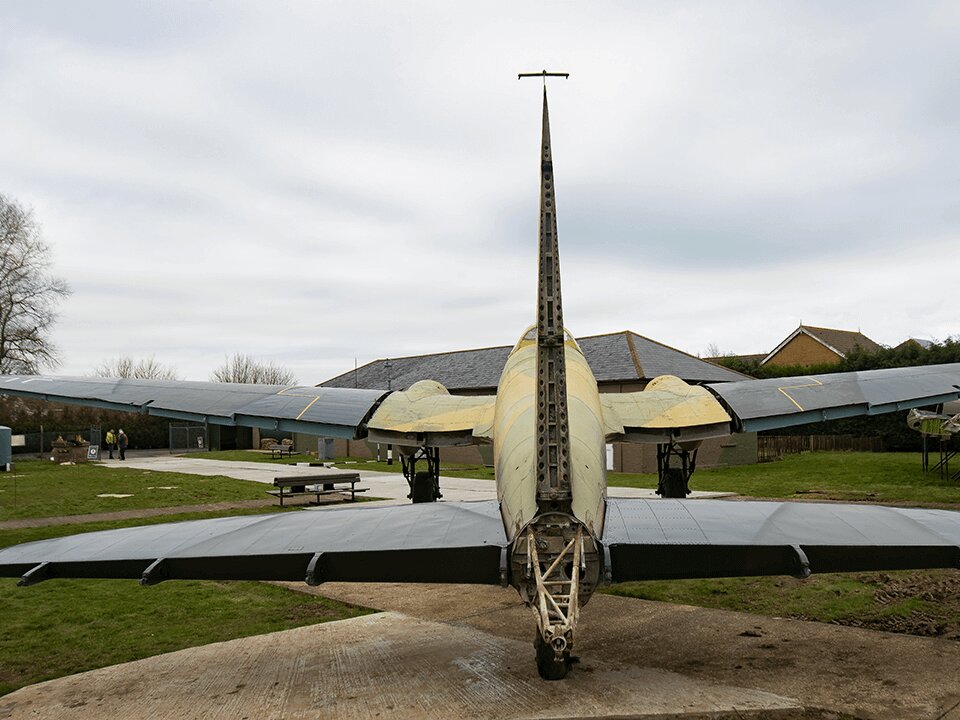
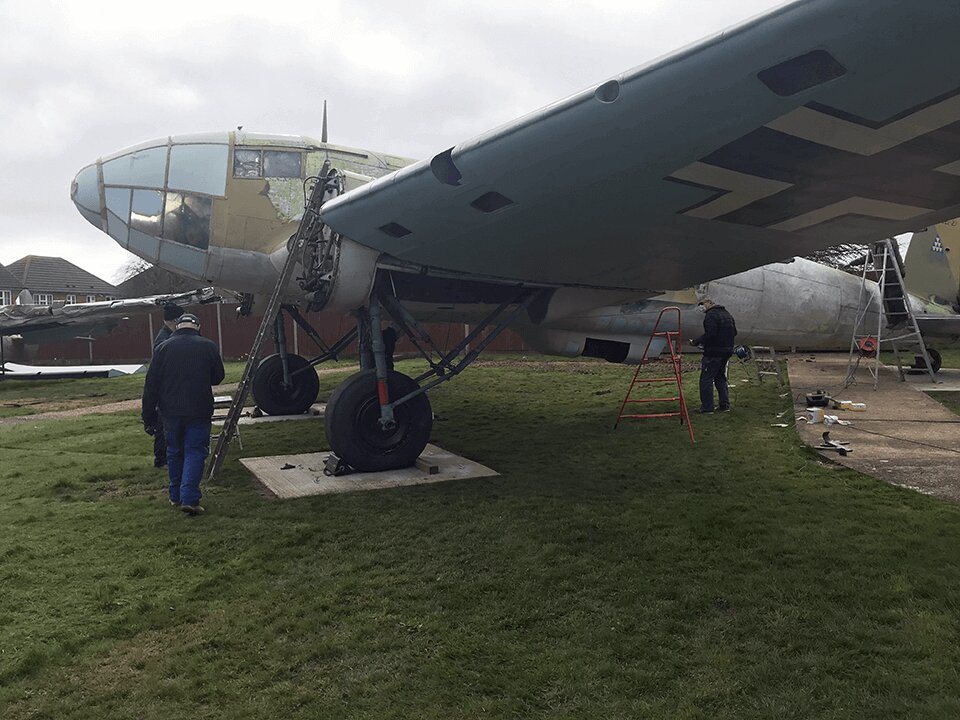
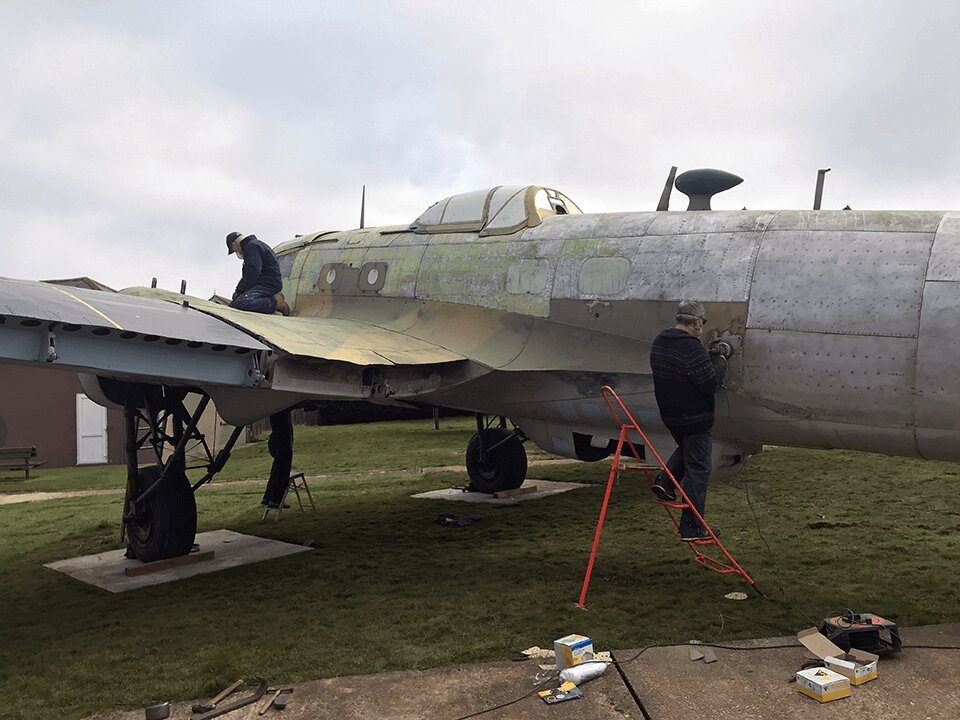
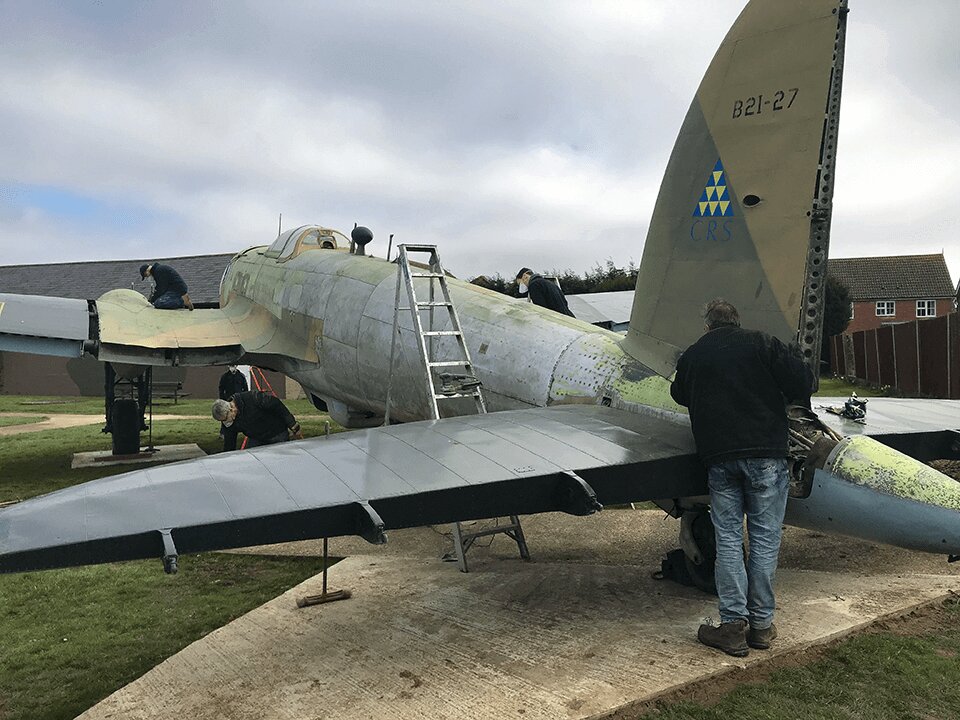
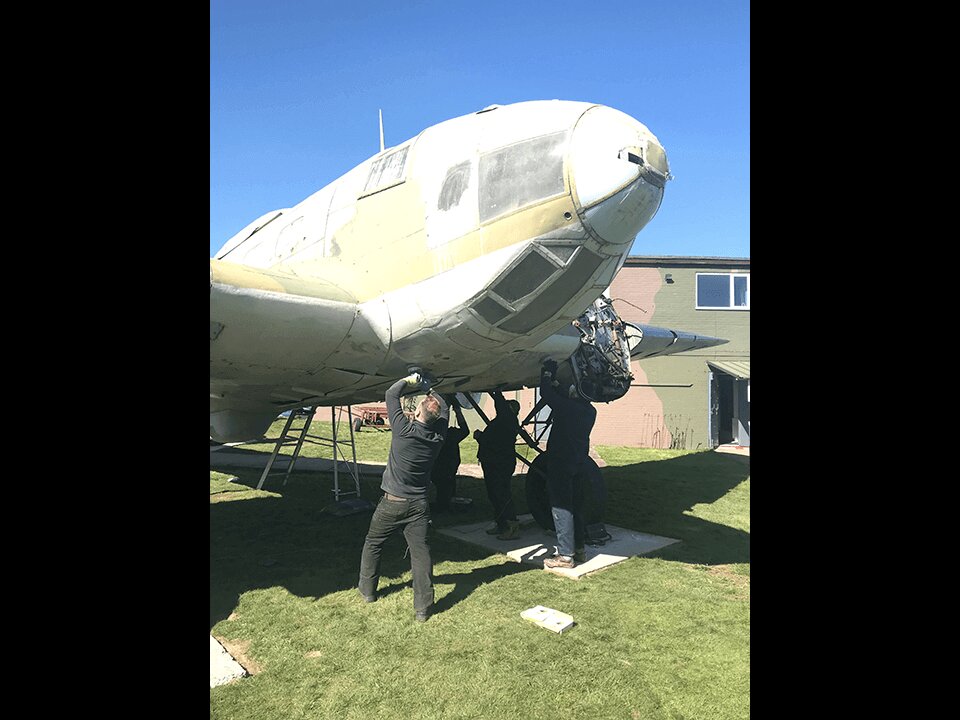
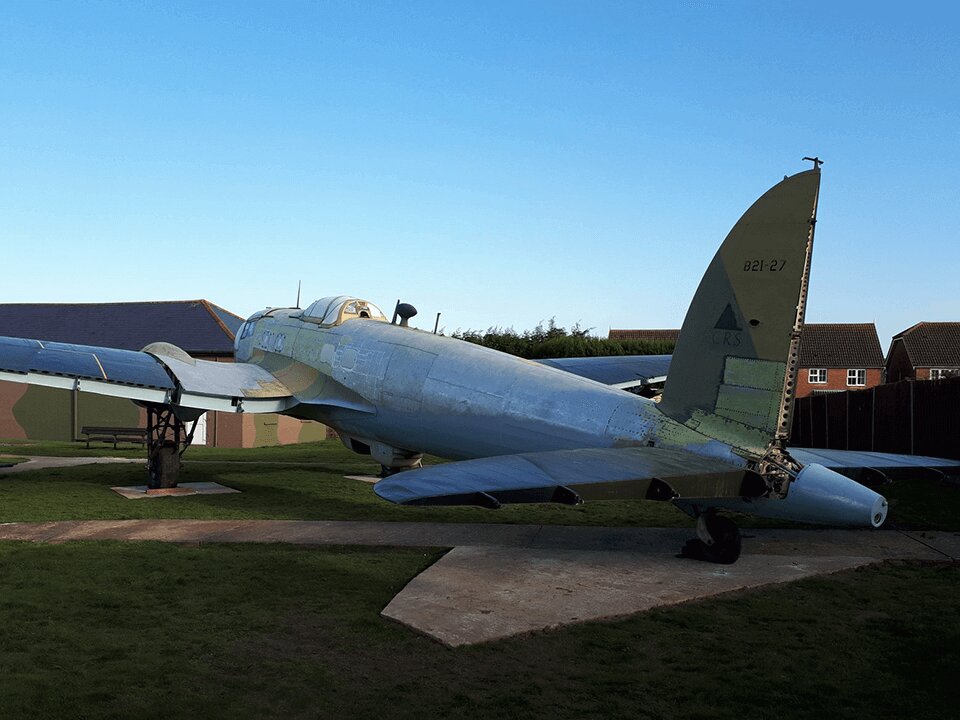
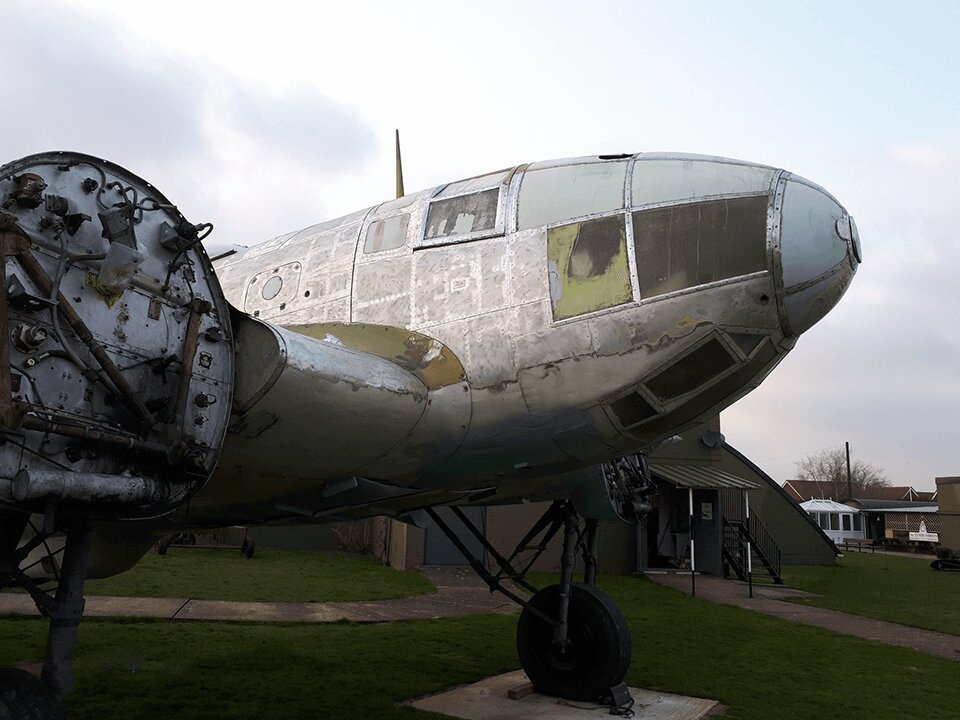
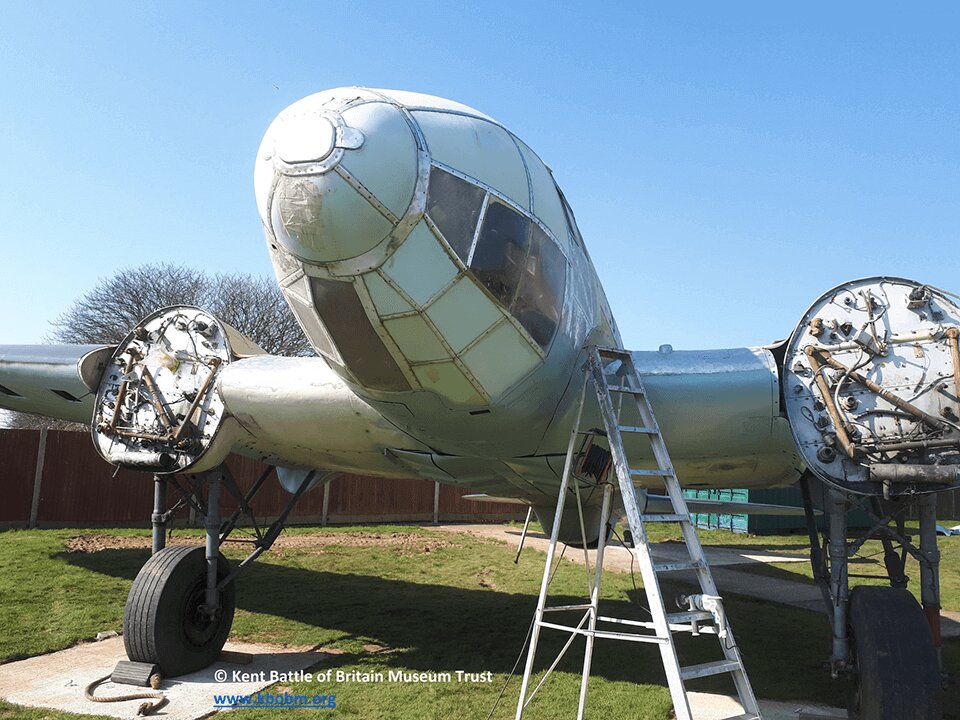
A Heinkel He 111 comes to Hawkinge.
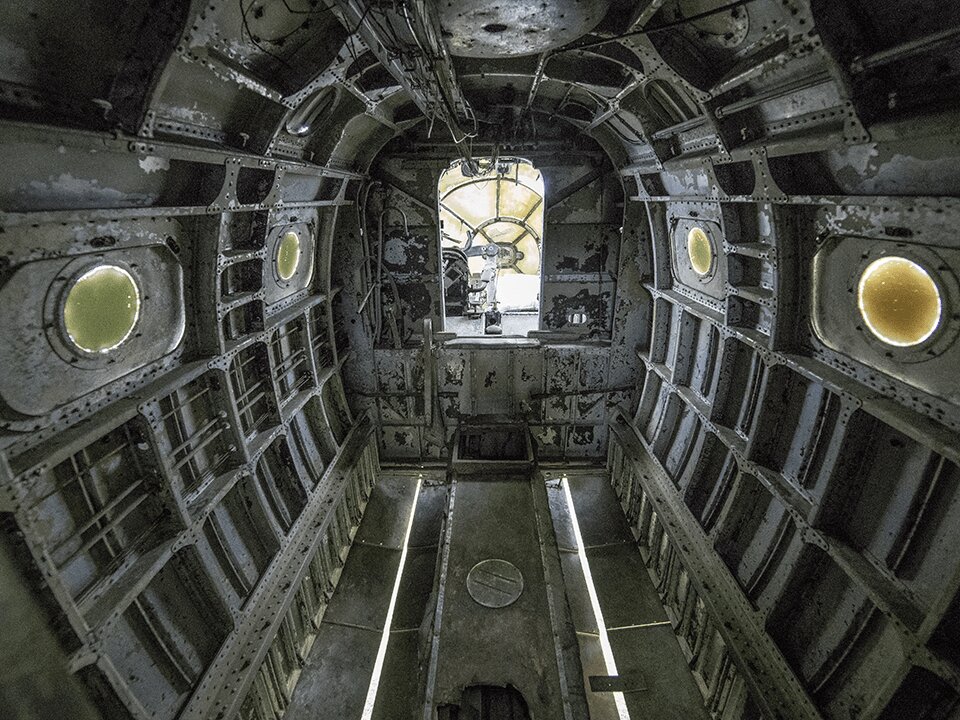
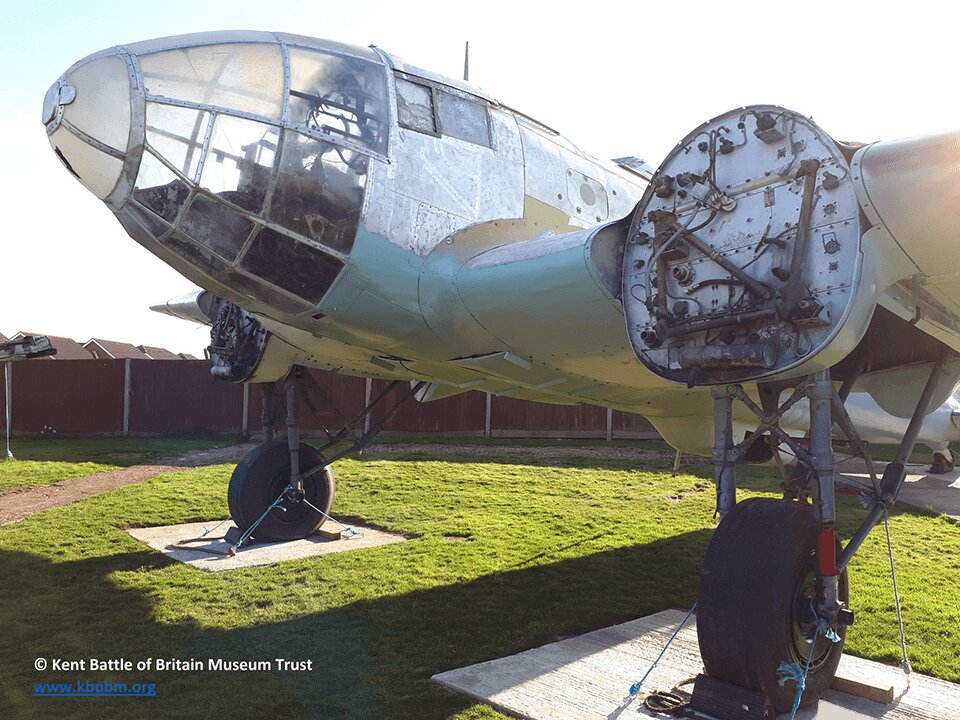
The Museum spent many years looking for a Heinkel He 111H / CASA 2.111.B project. When we heard that the Imperial War Museum’s example might become available, we also heard the rumours.
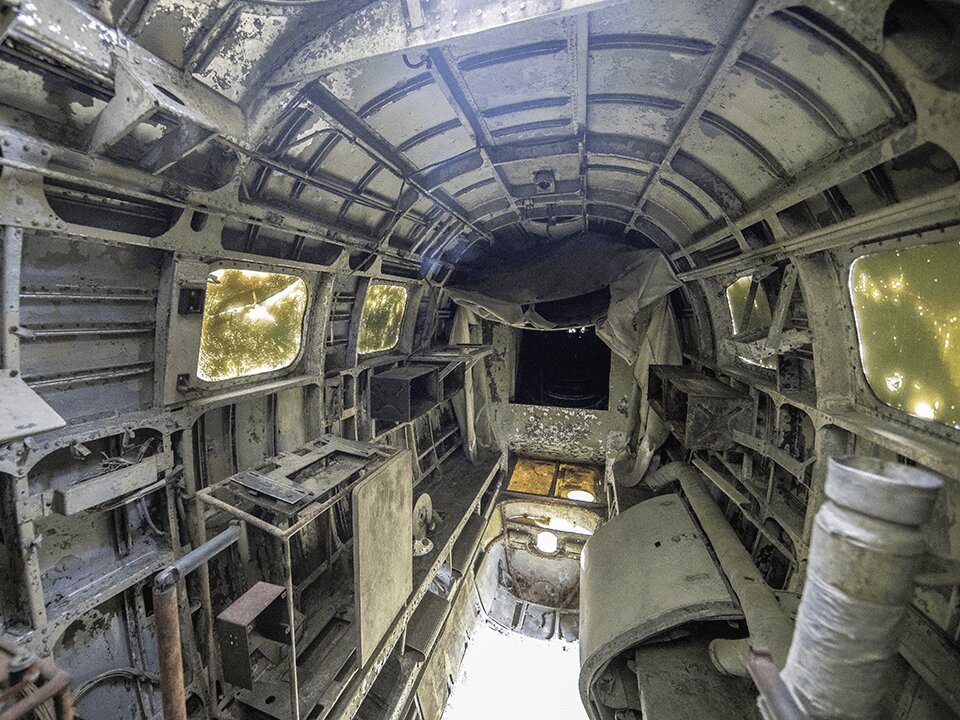
The rumours said she was:
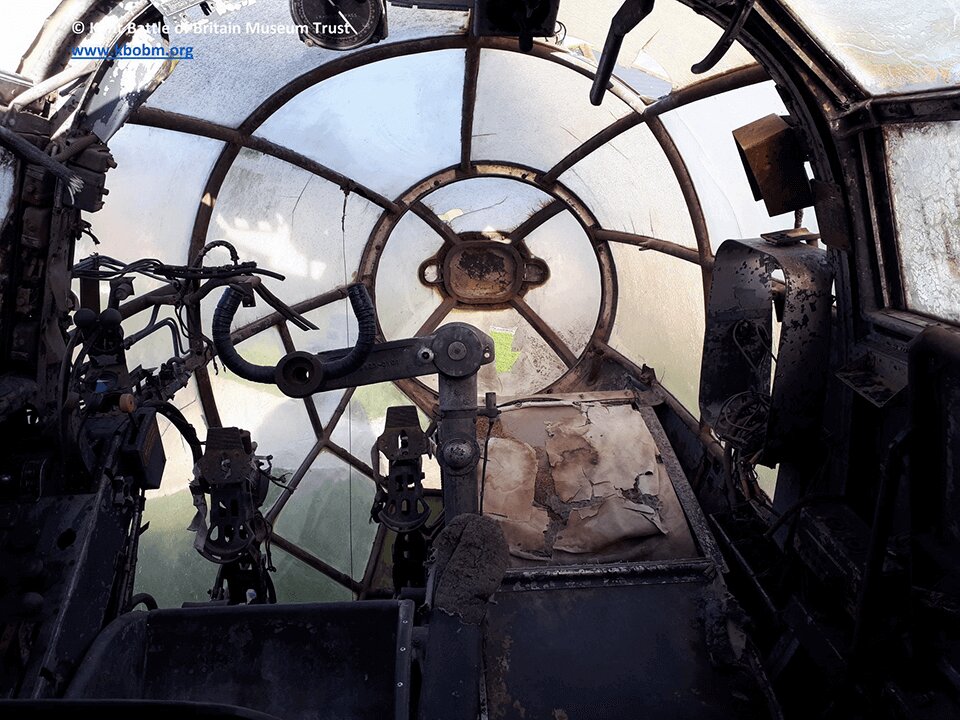
- completely stripped out inside, to lighten her for the airlift
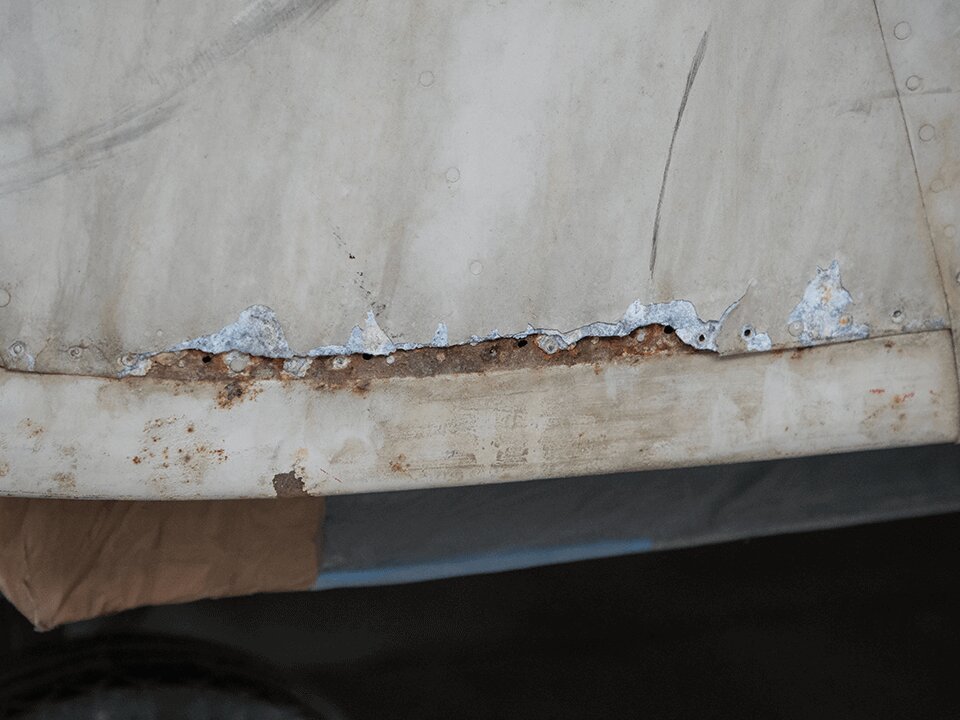
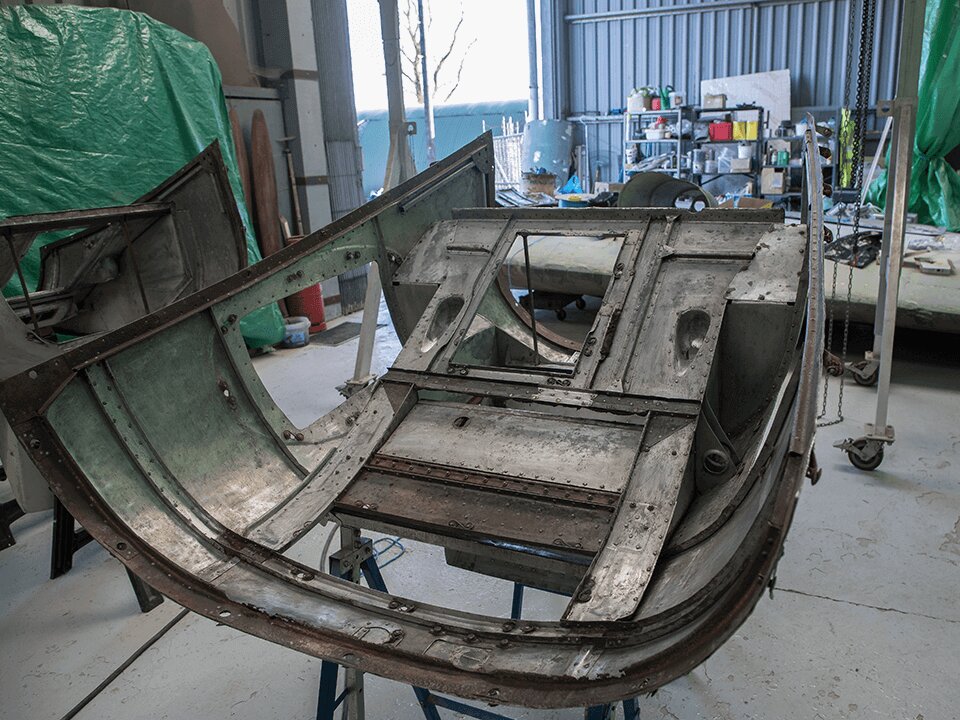
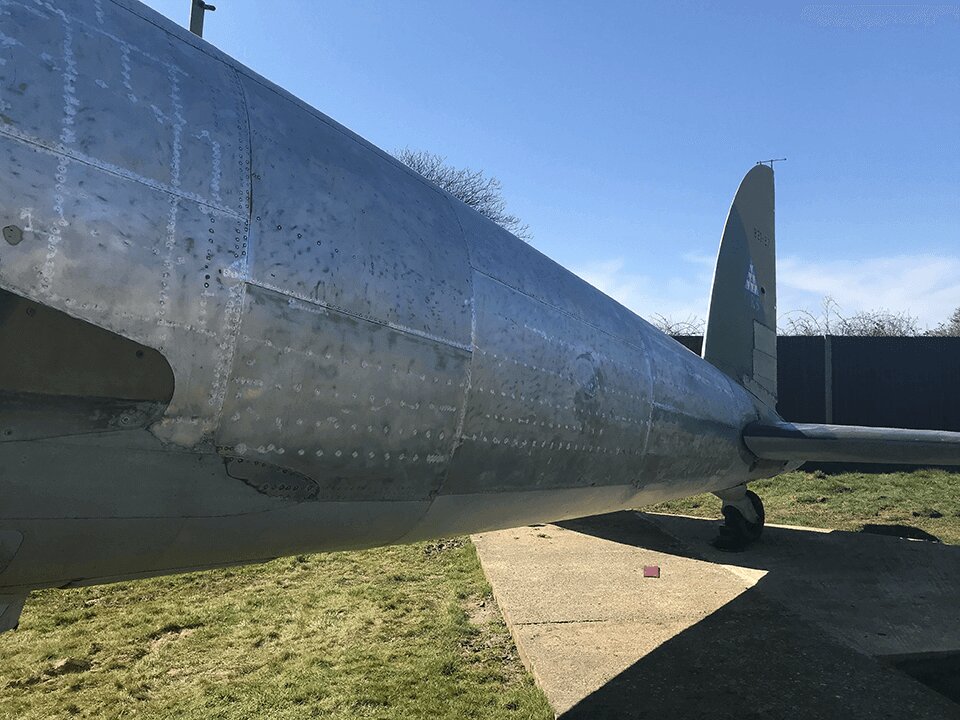
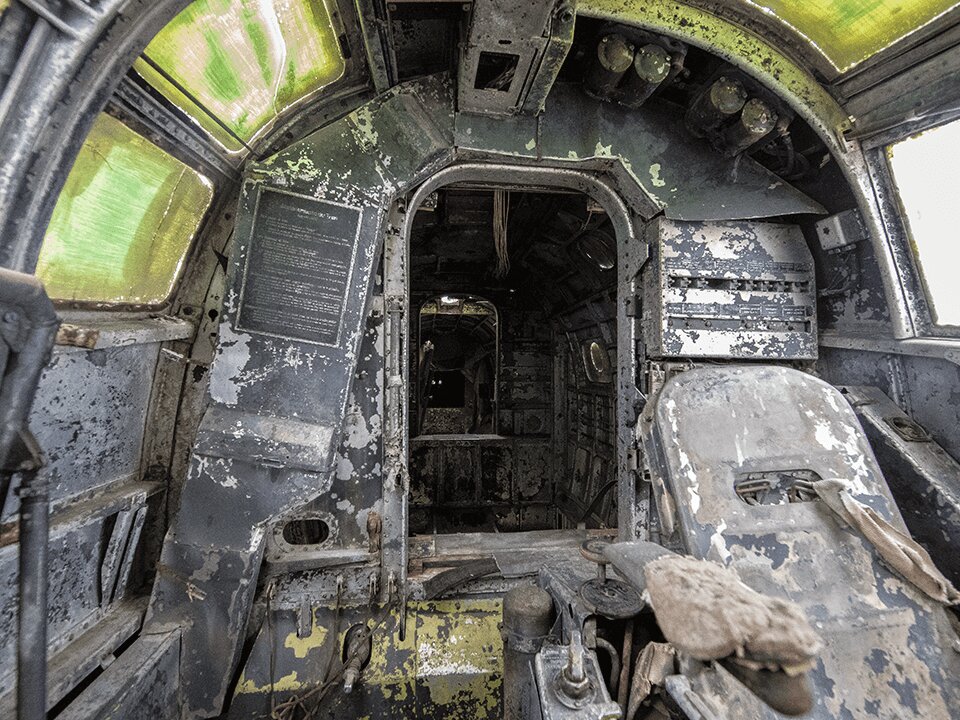
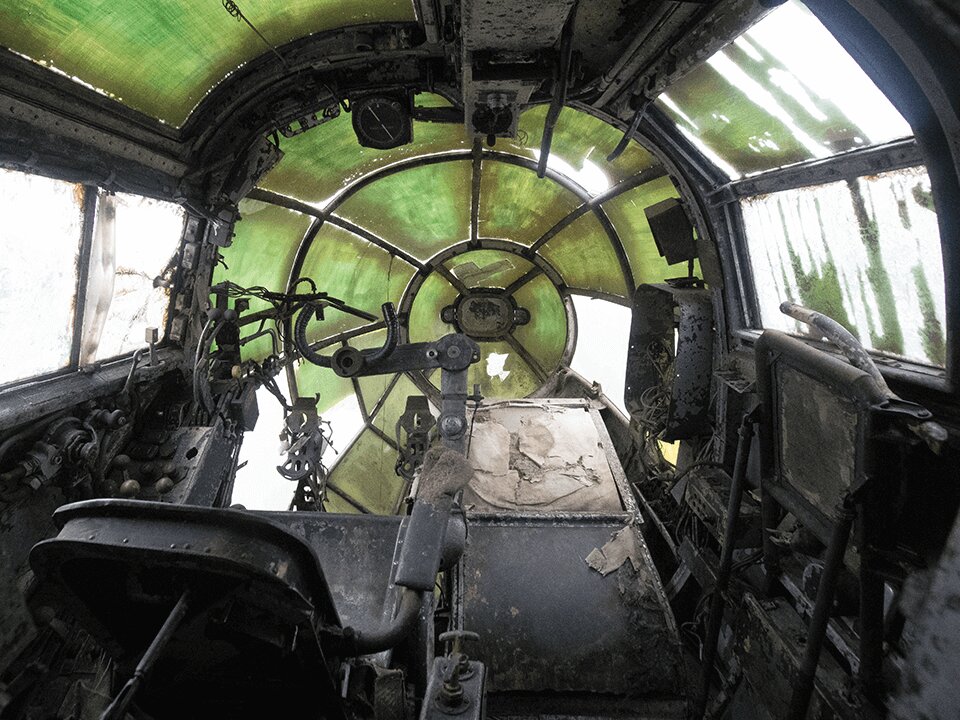
- full of corrosion, after nearly thirty years as a gate guardian in Spain
- built as a CASA 2.111.B
A Pleasant Surprise
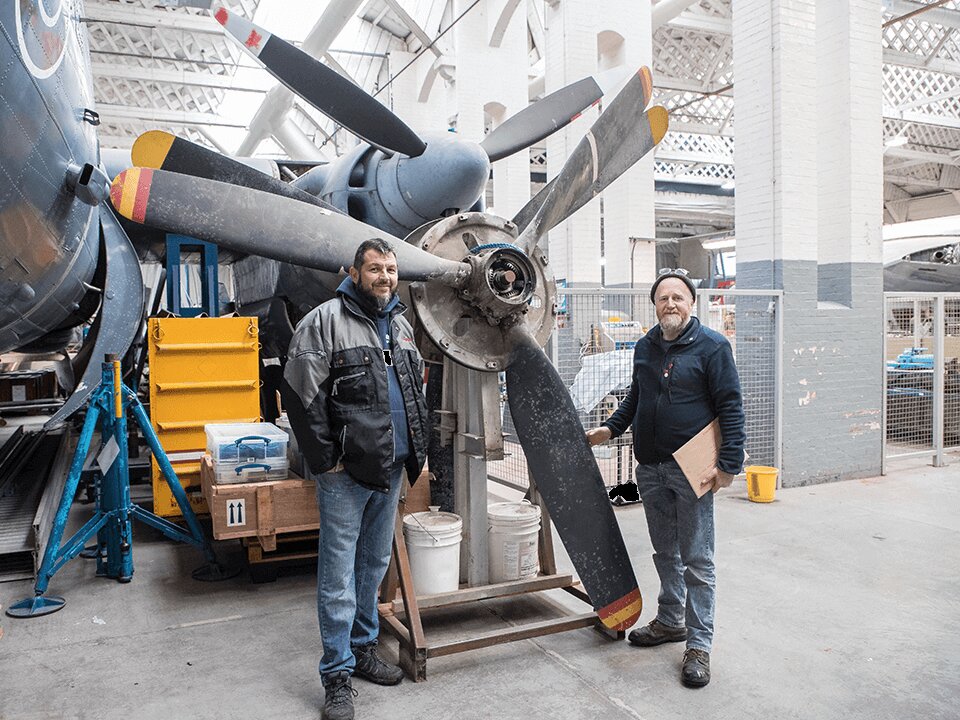
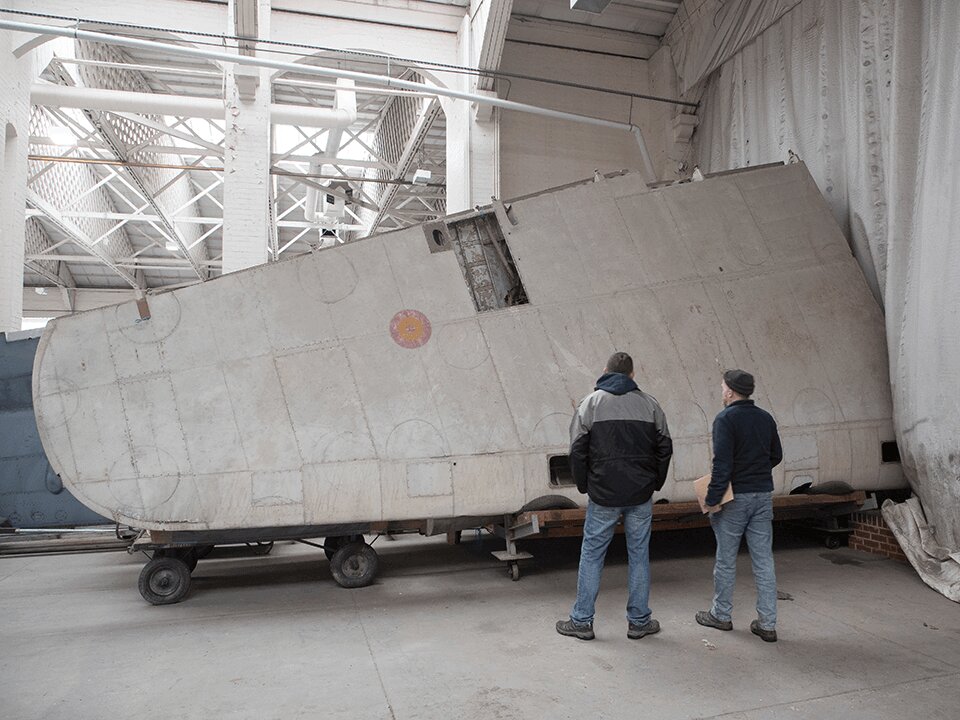
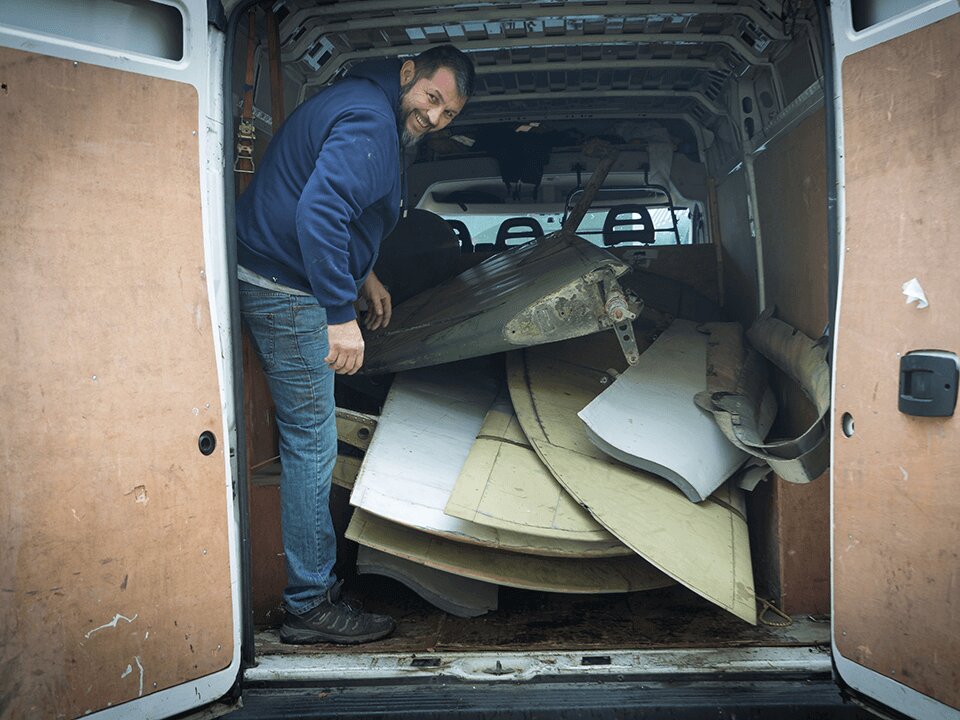
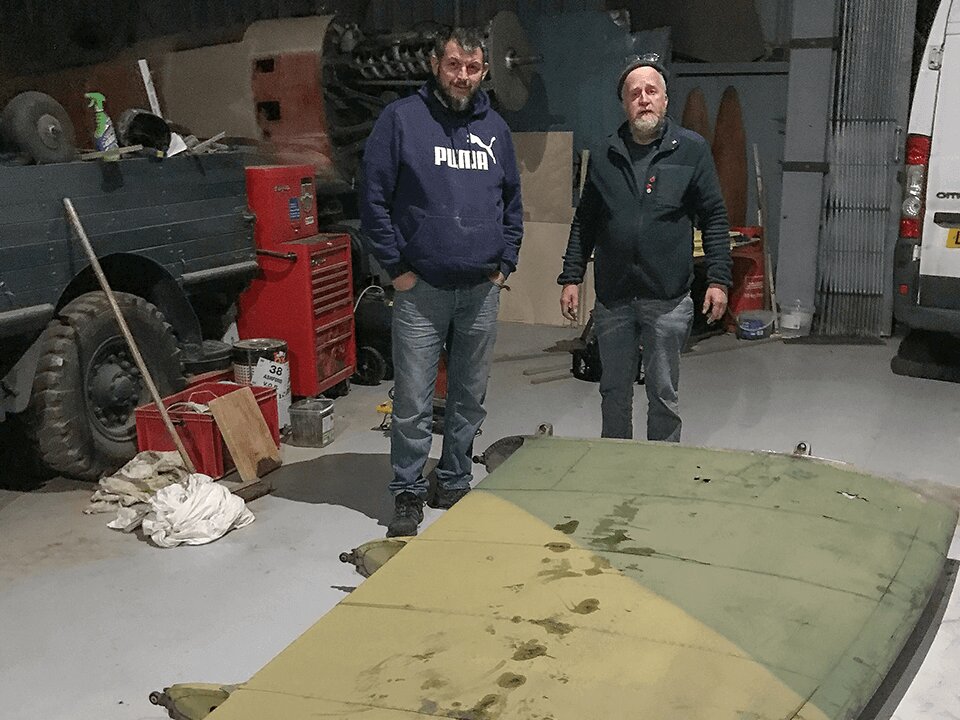
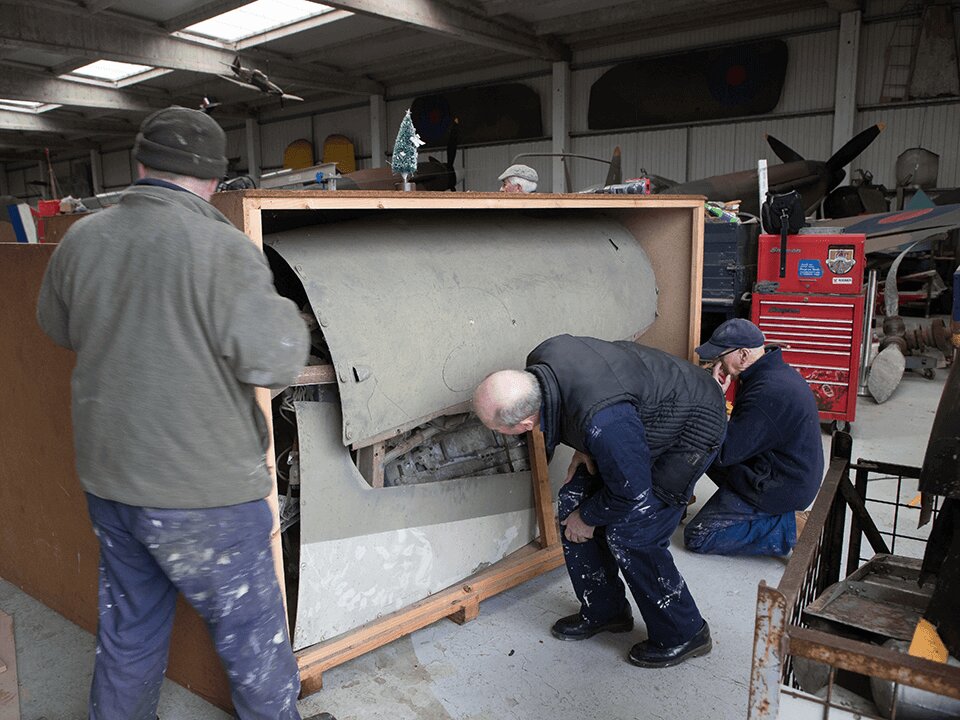
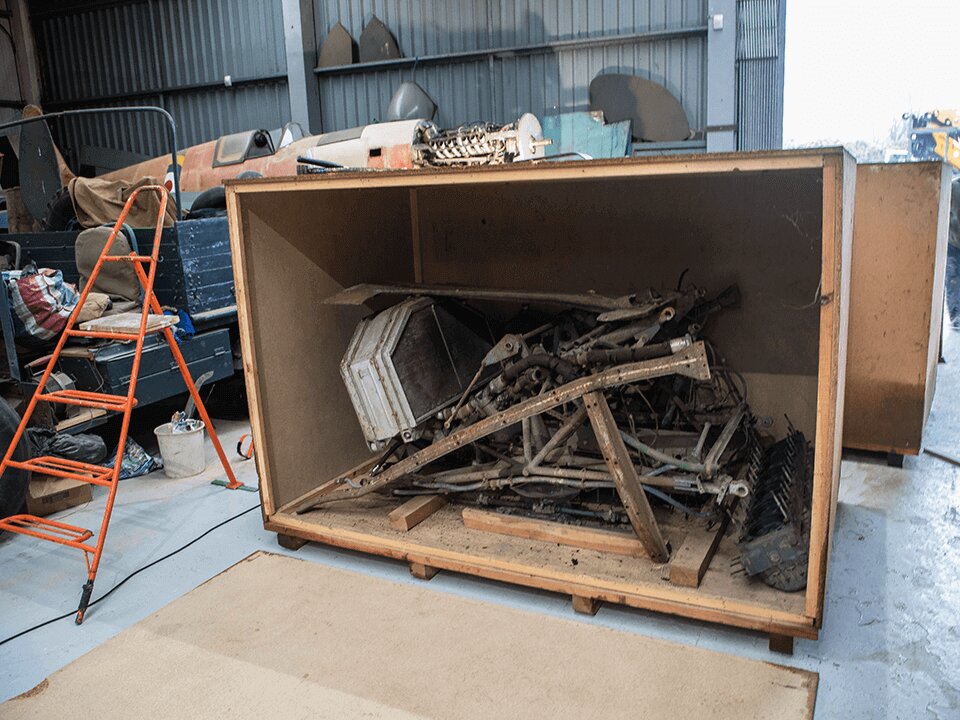
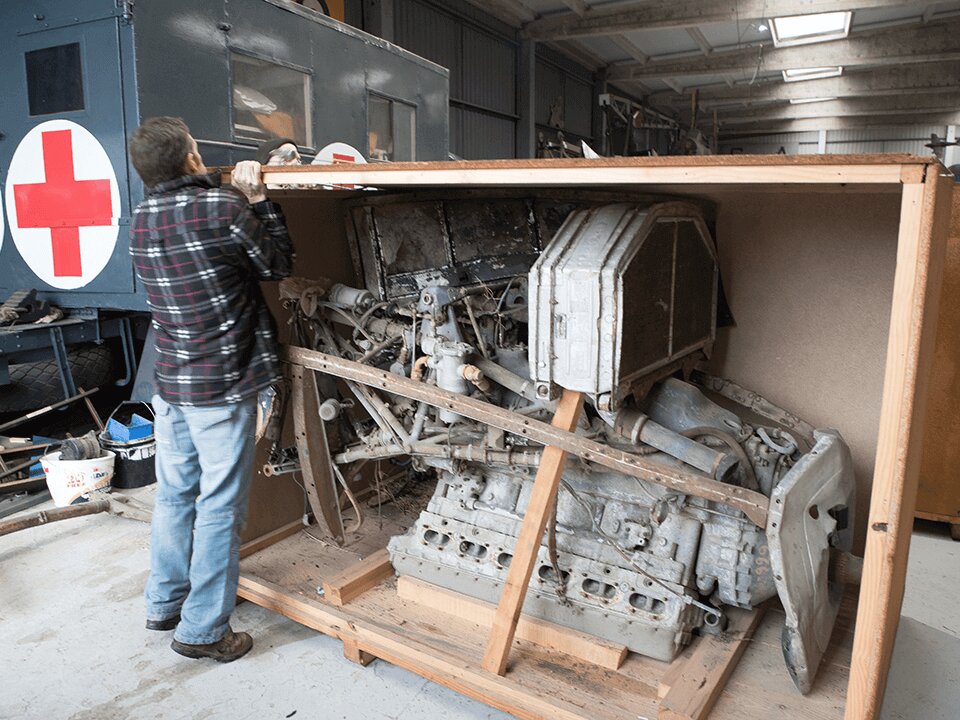
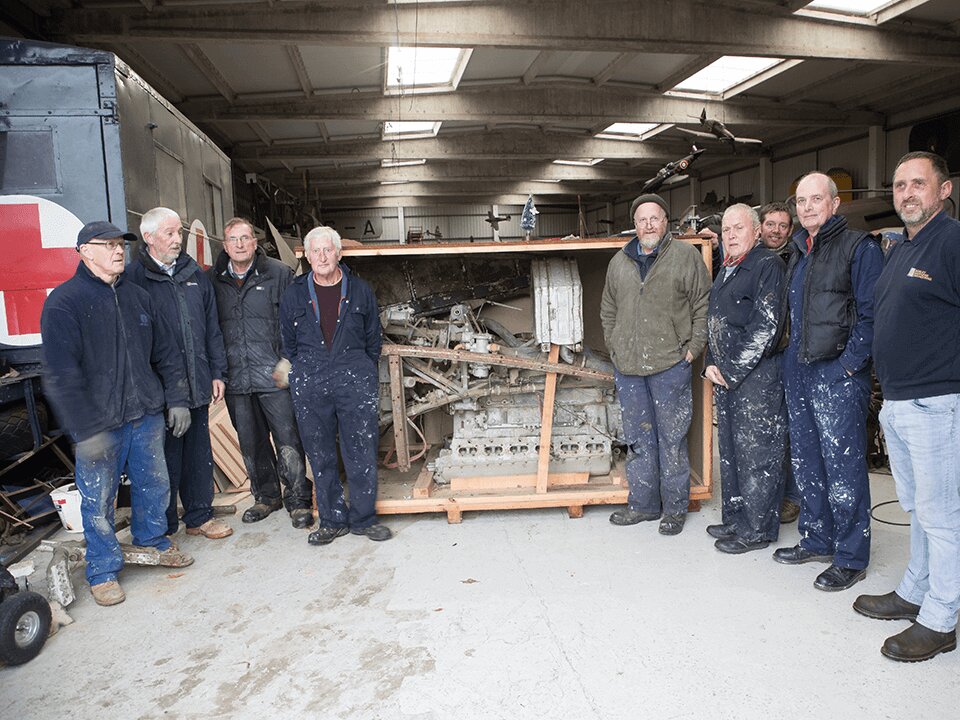
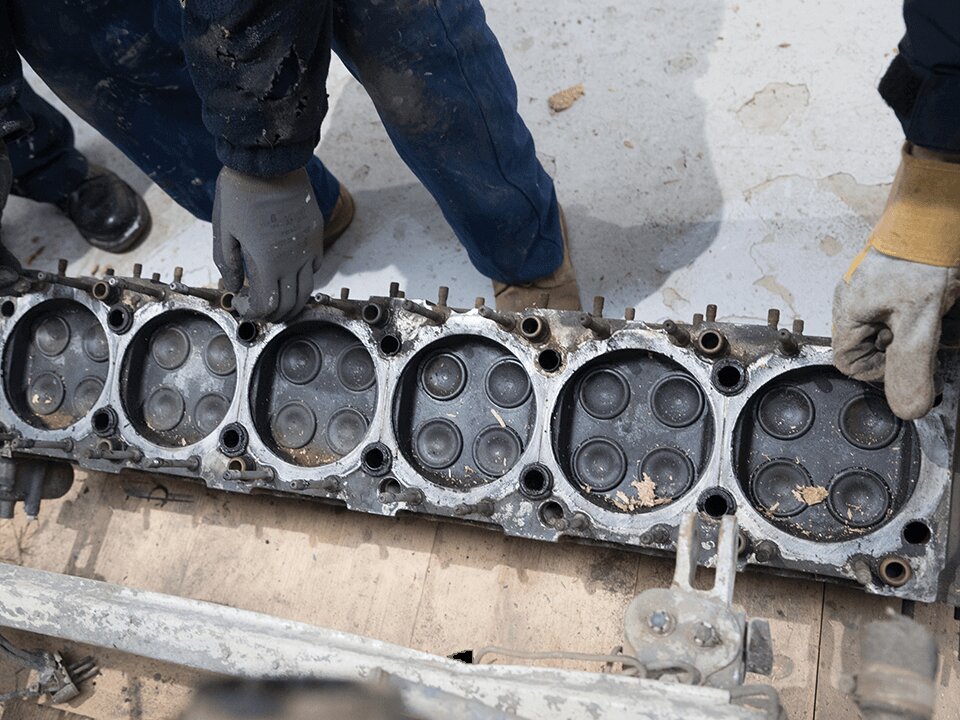
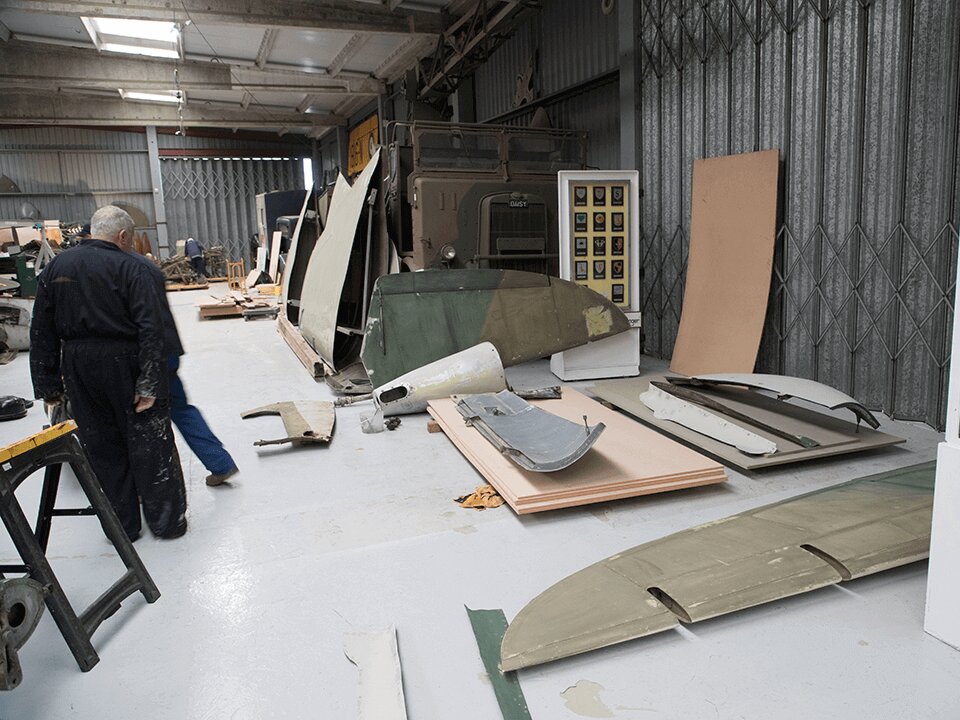
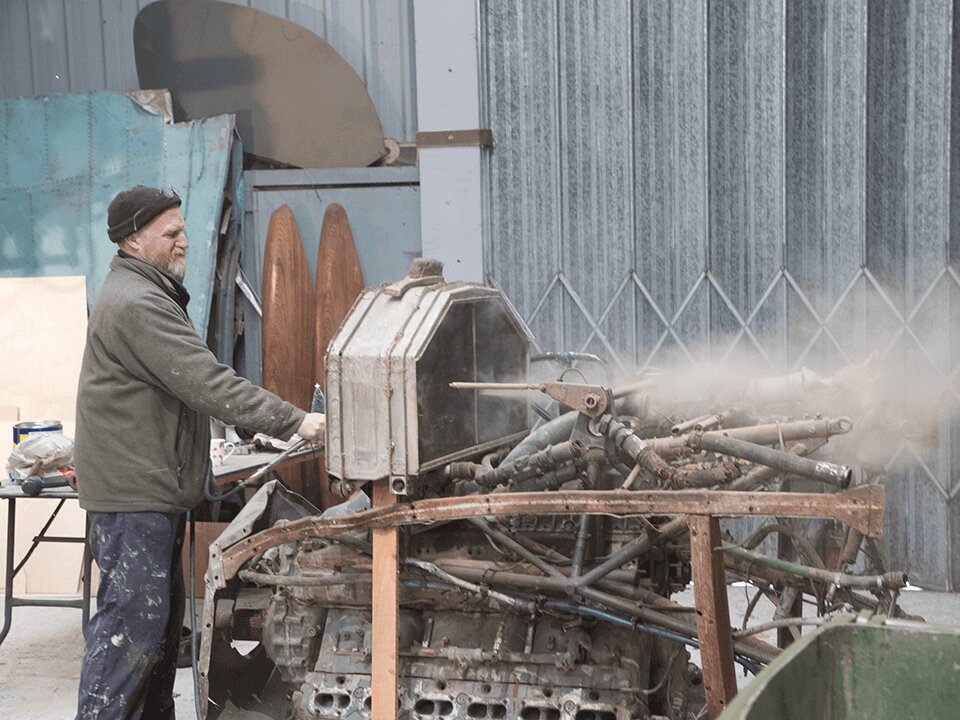
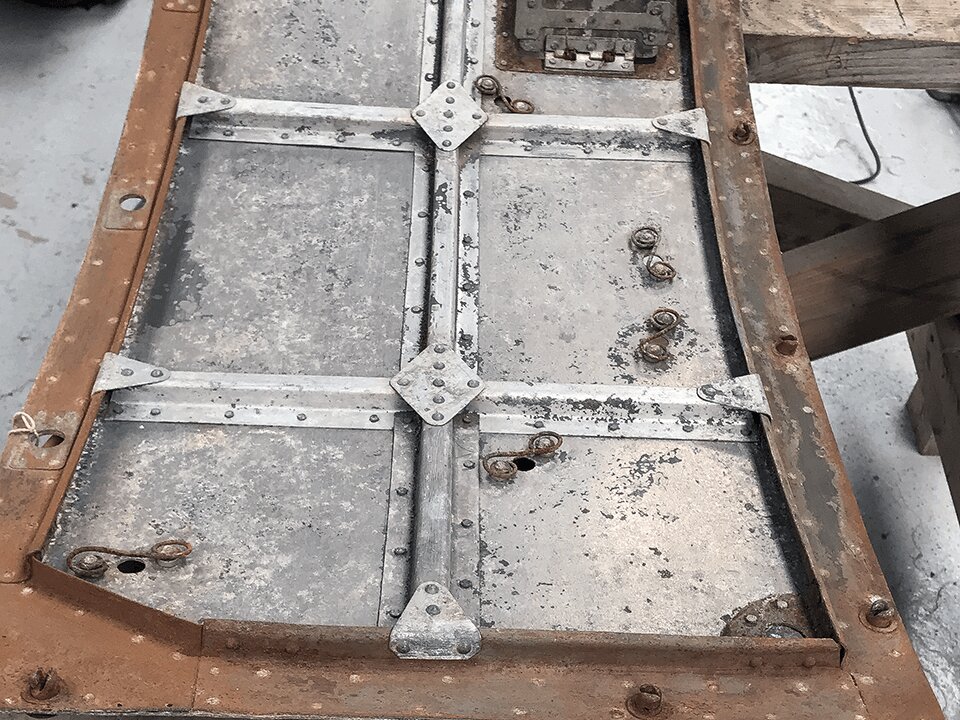
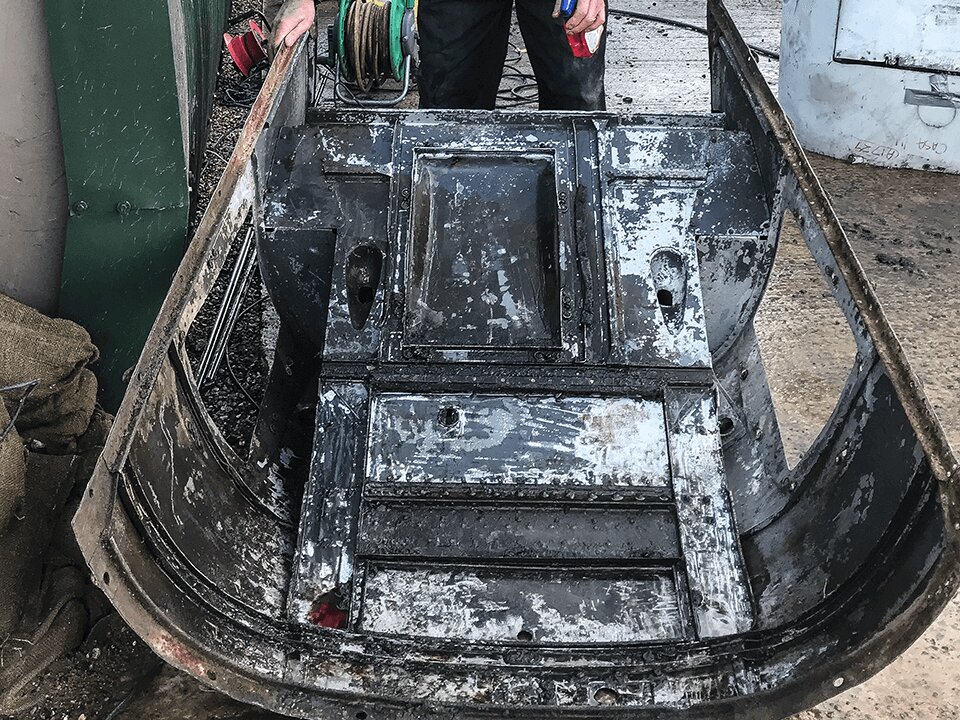
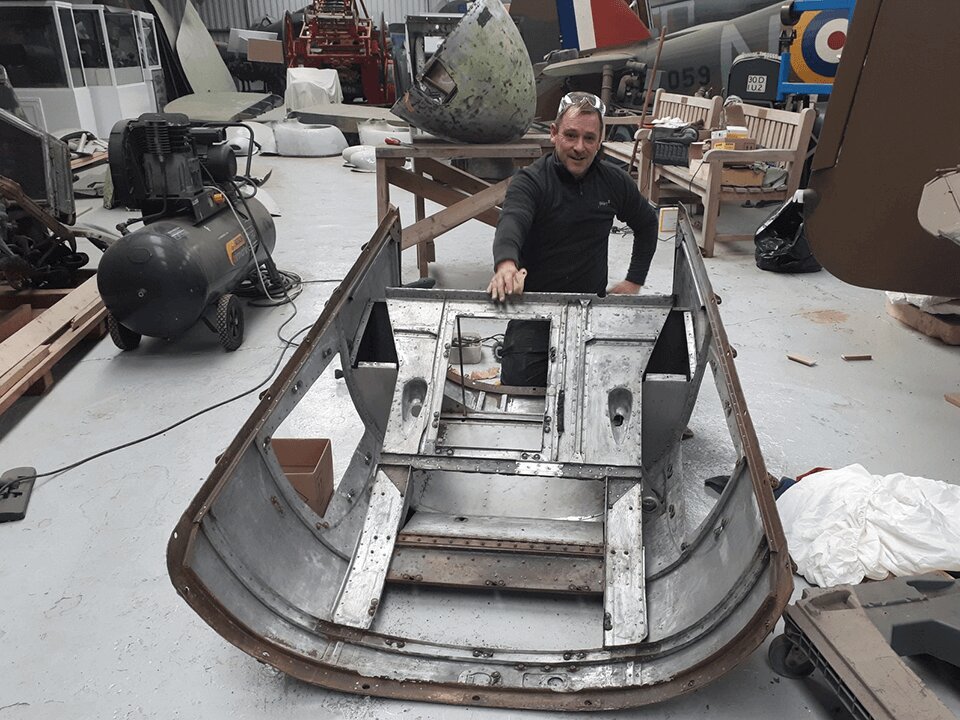
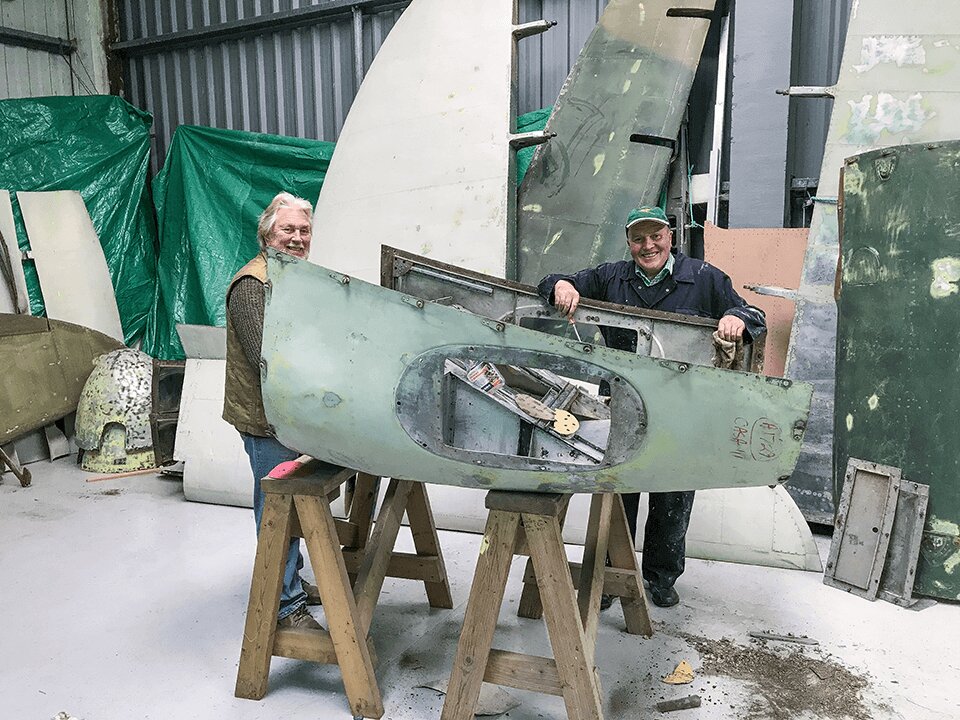
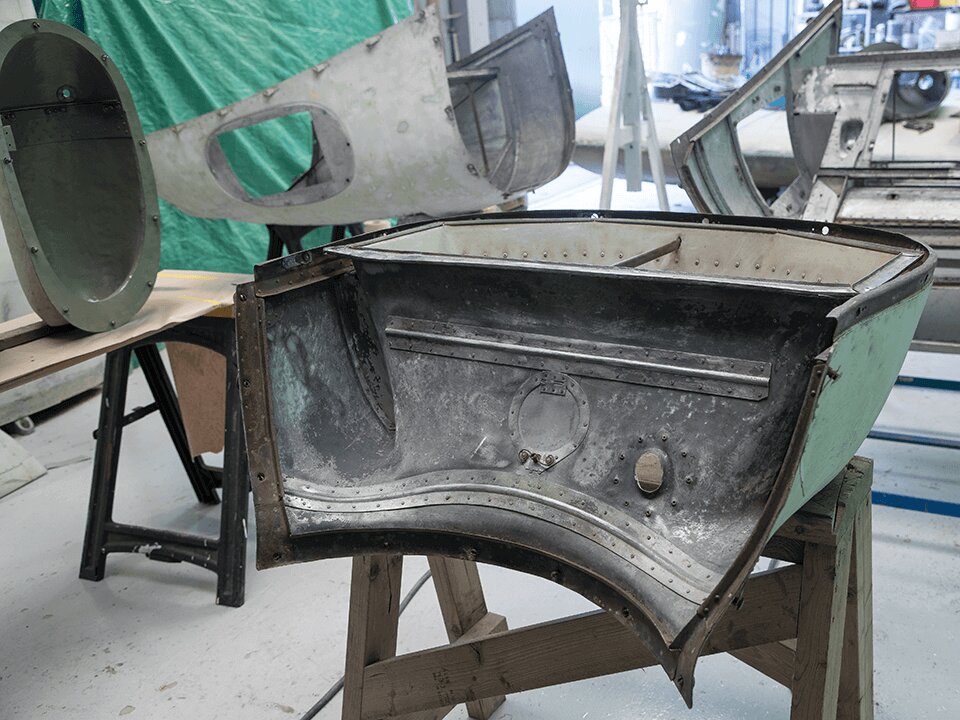
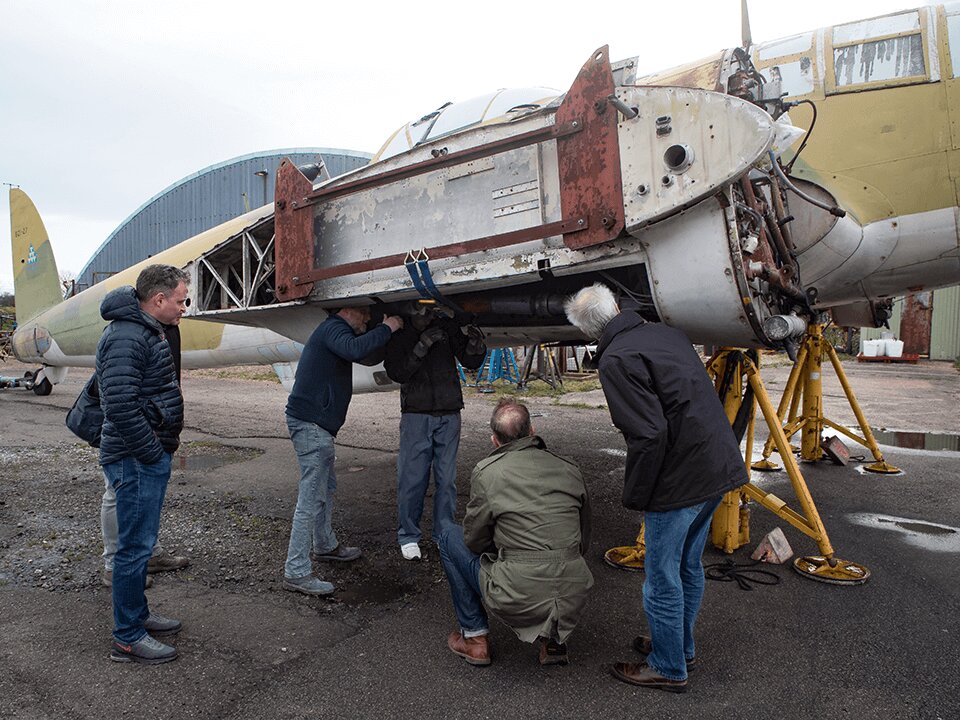
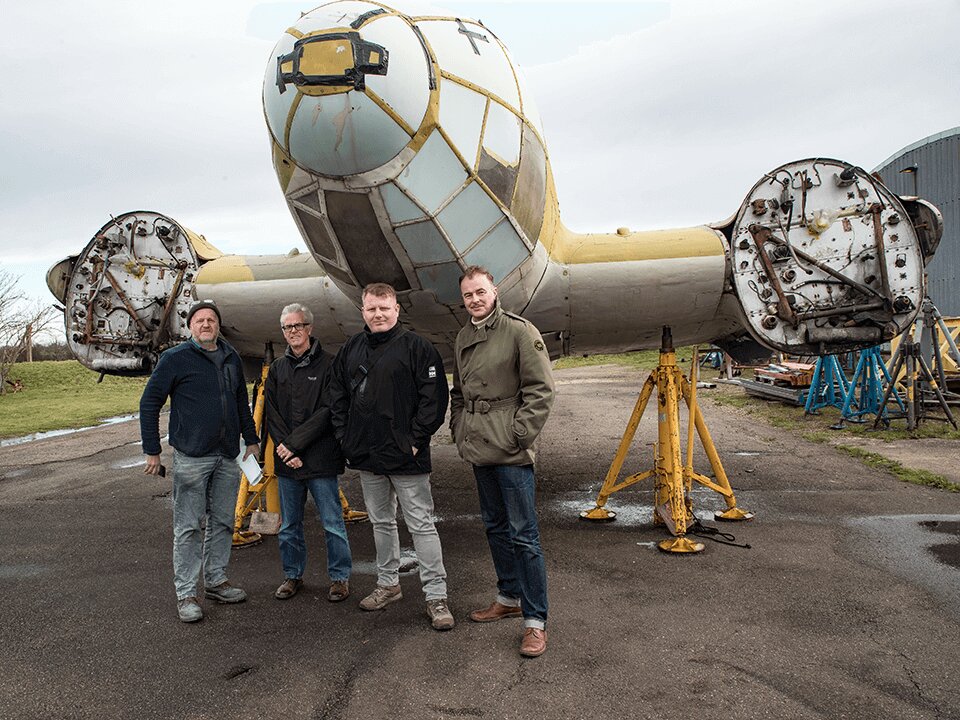
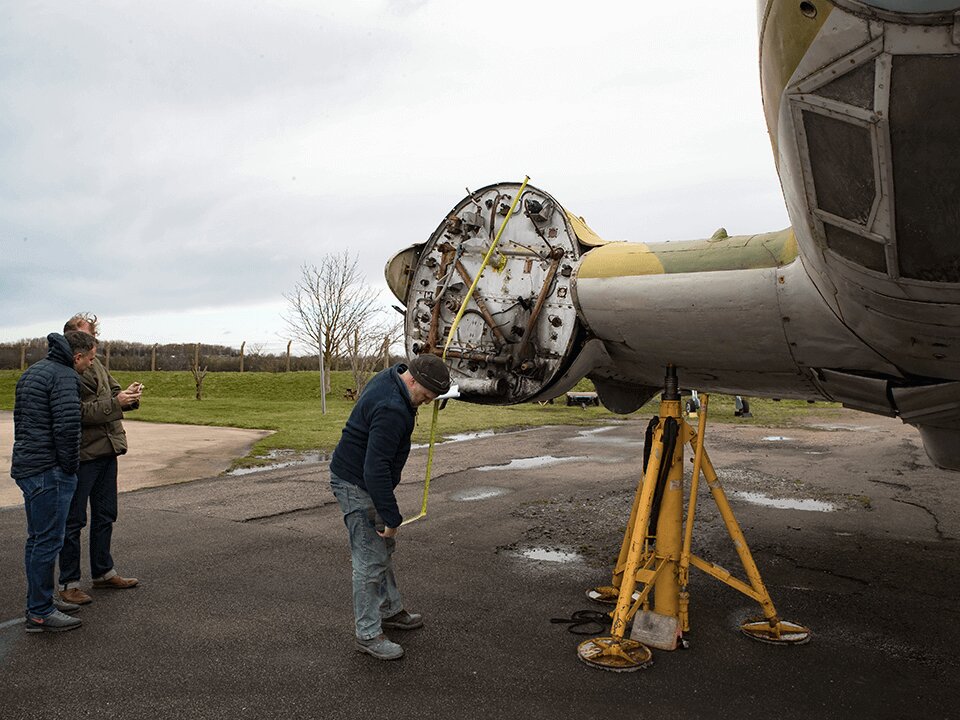
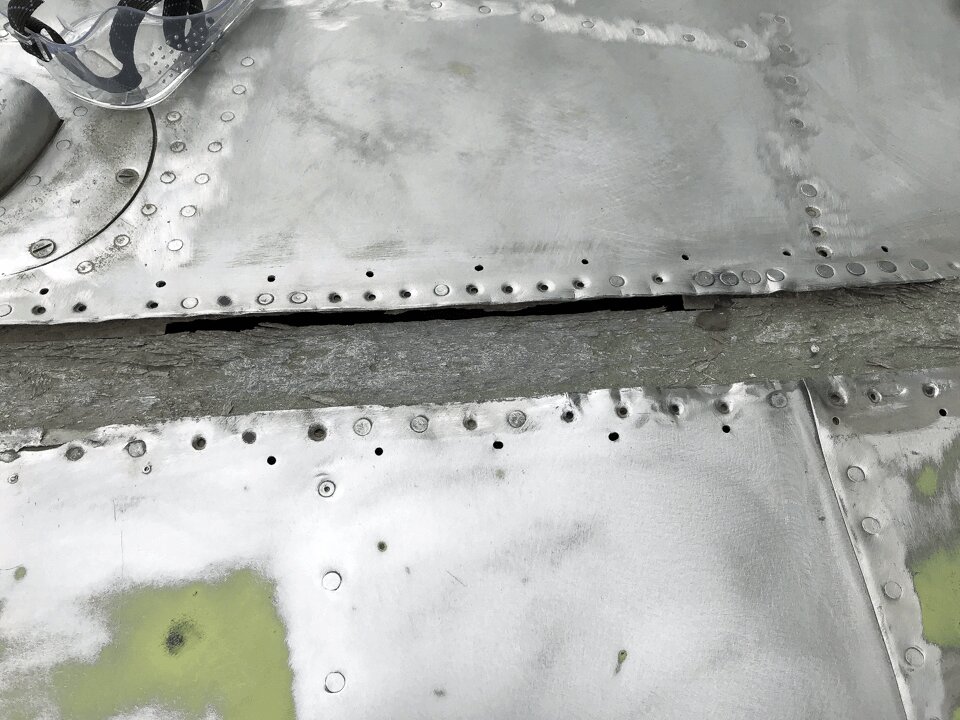
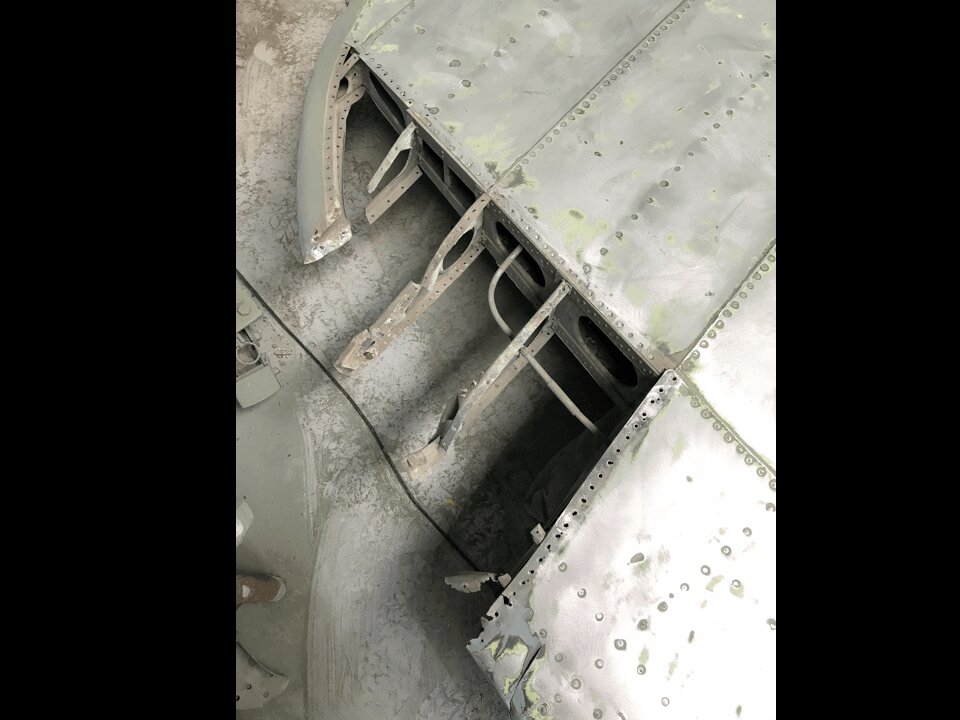
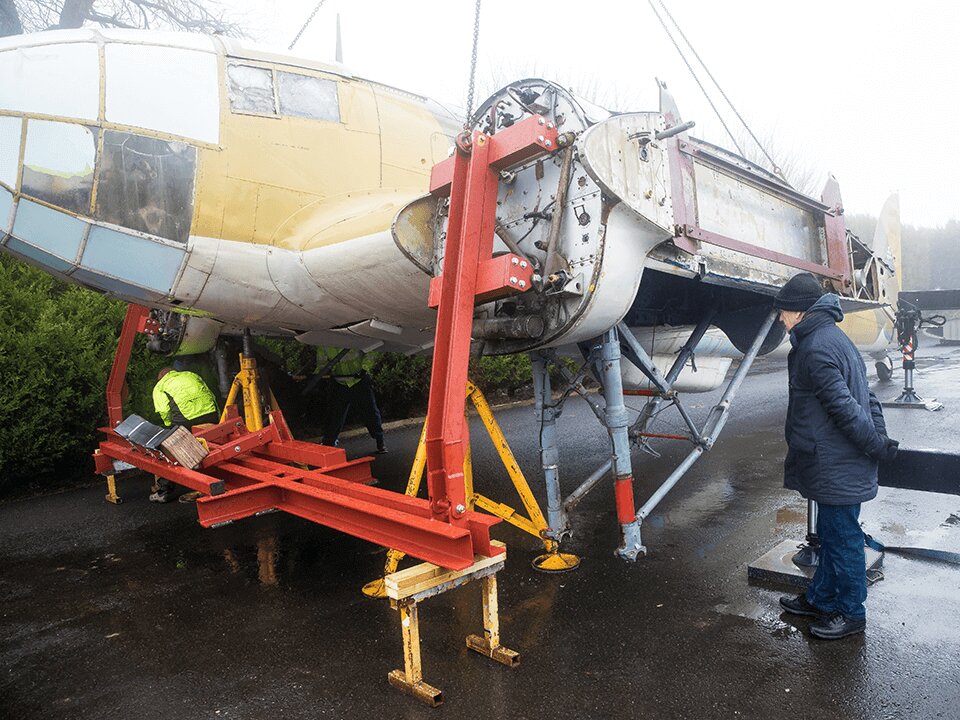
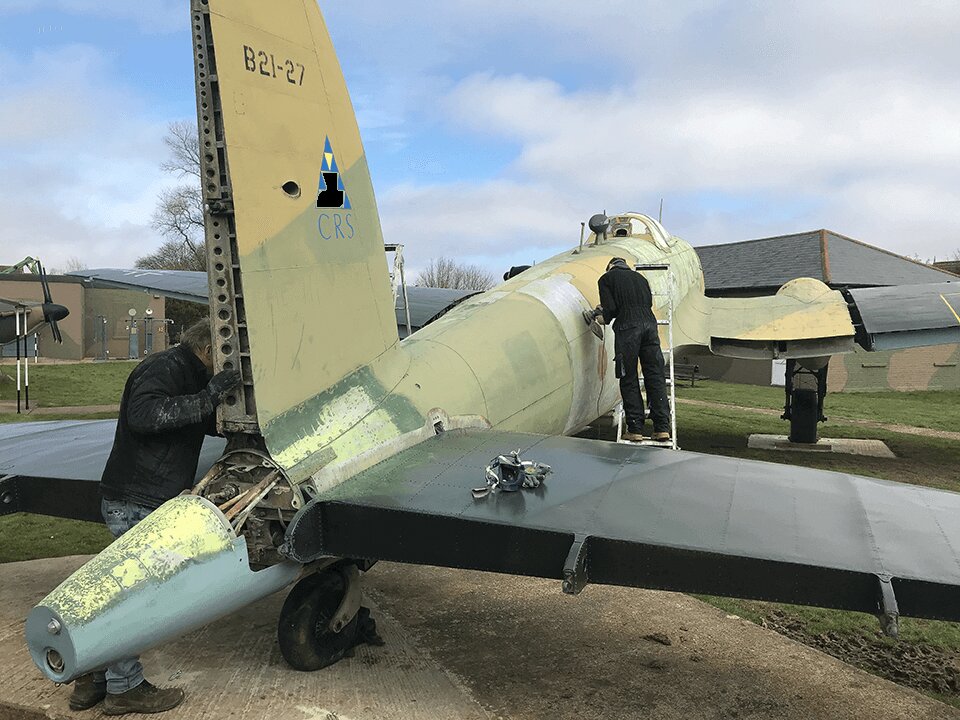
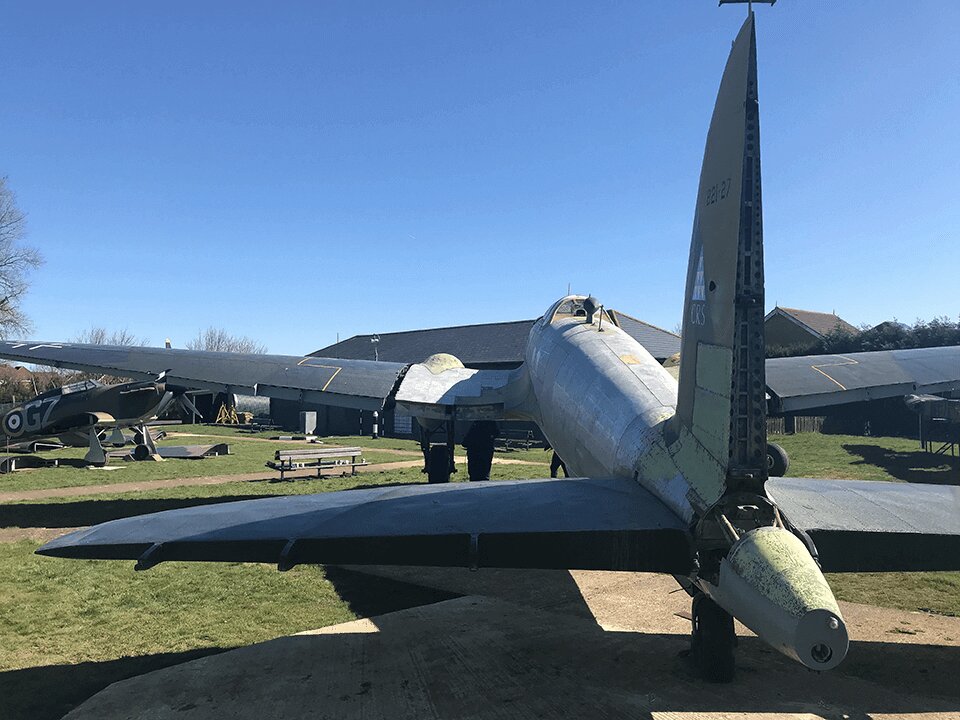
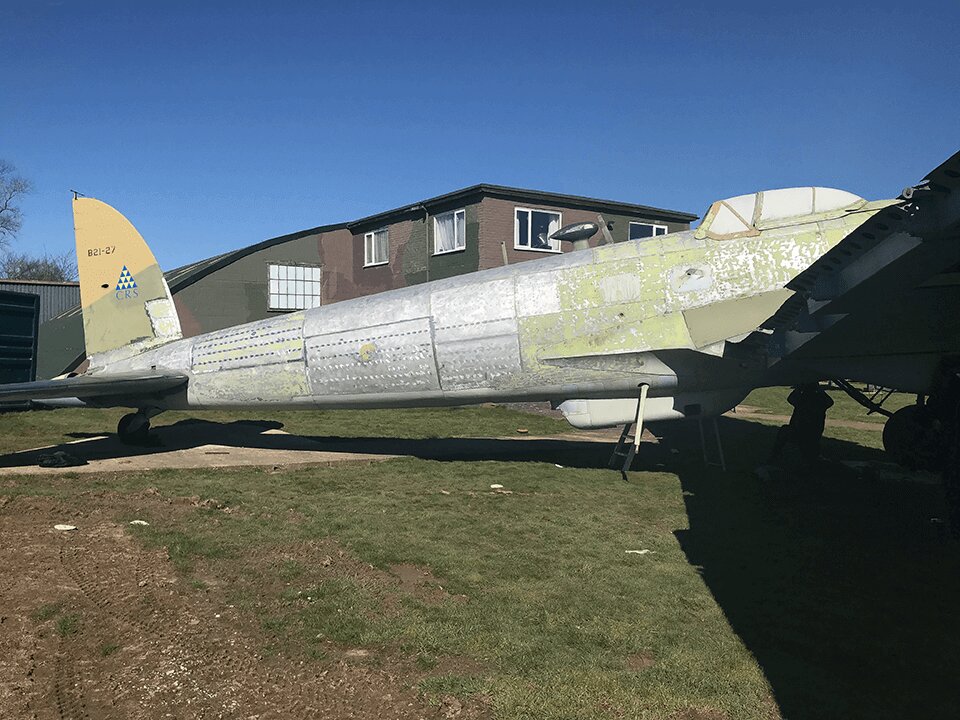
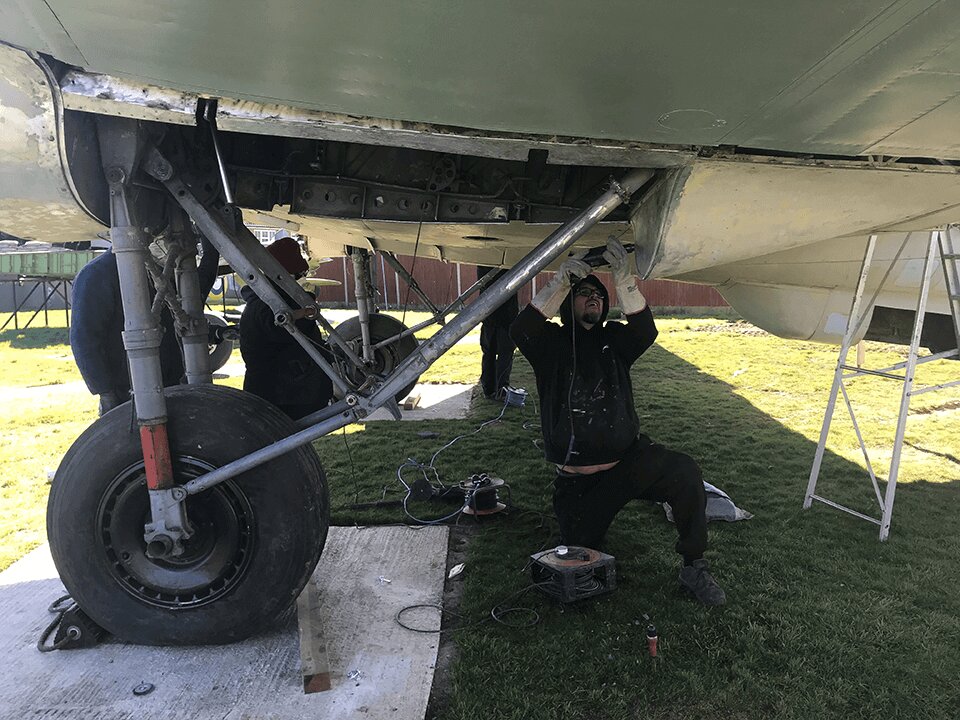
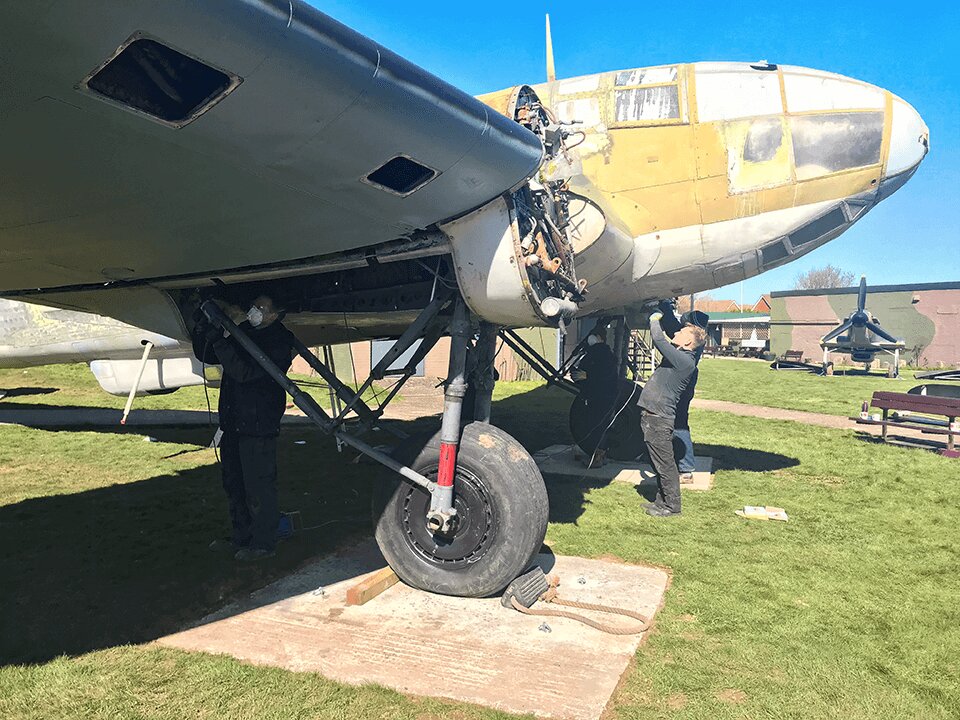
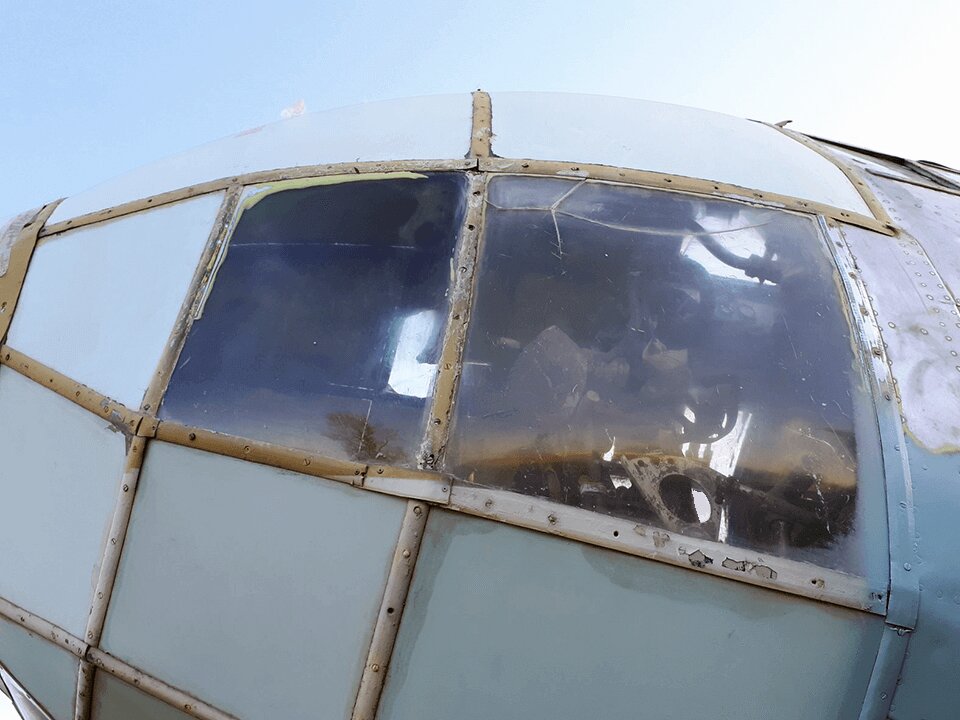
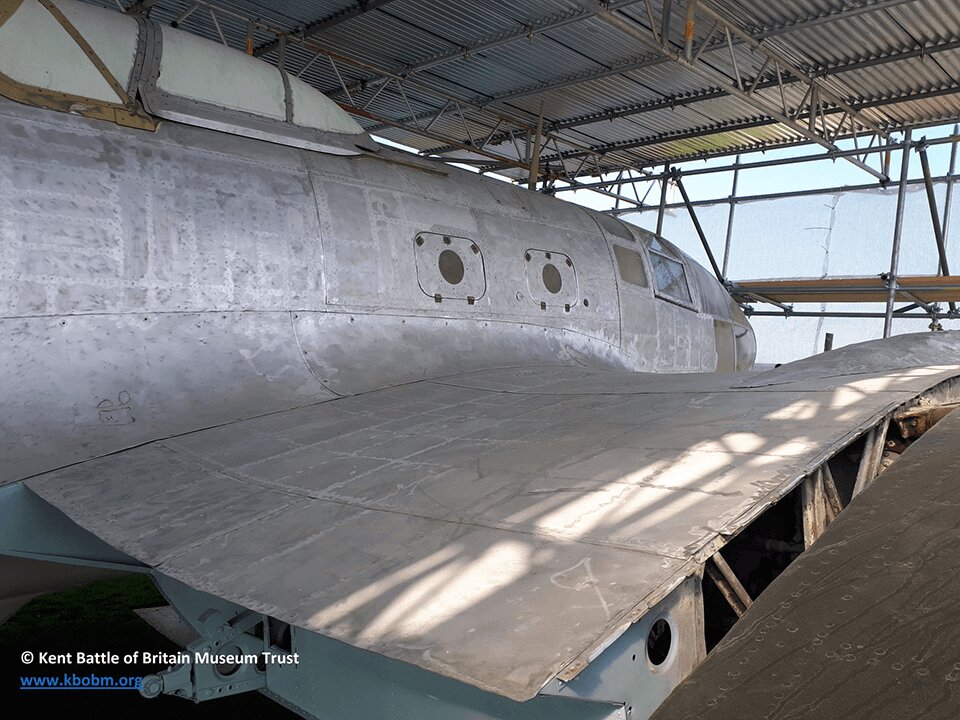
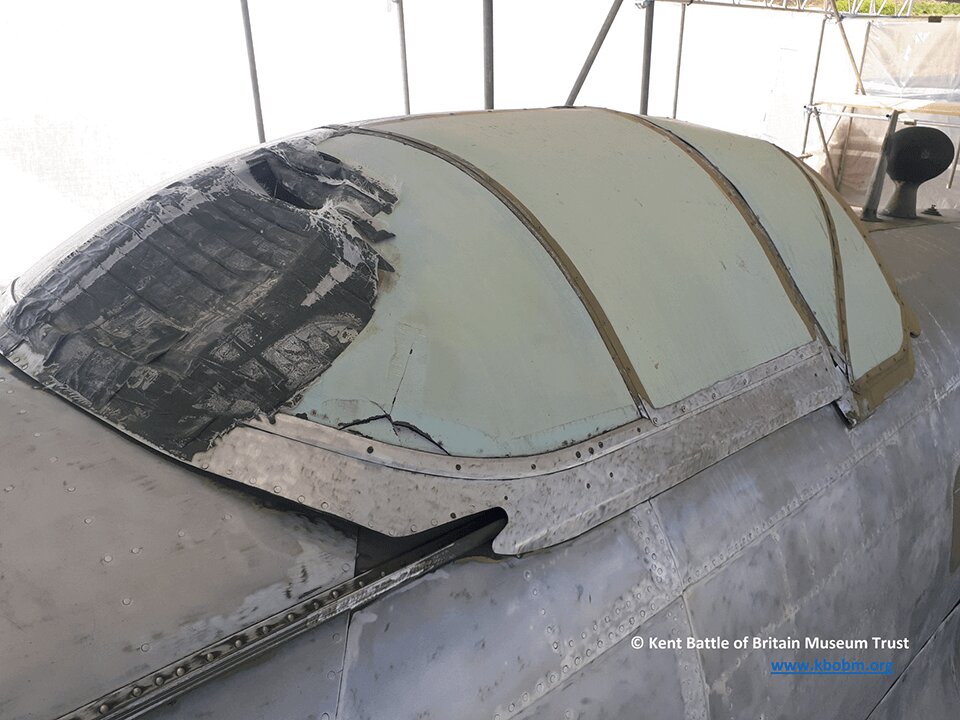
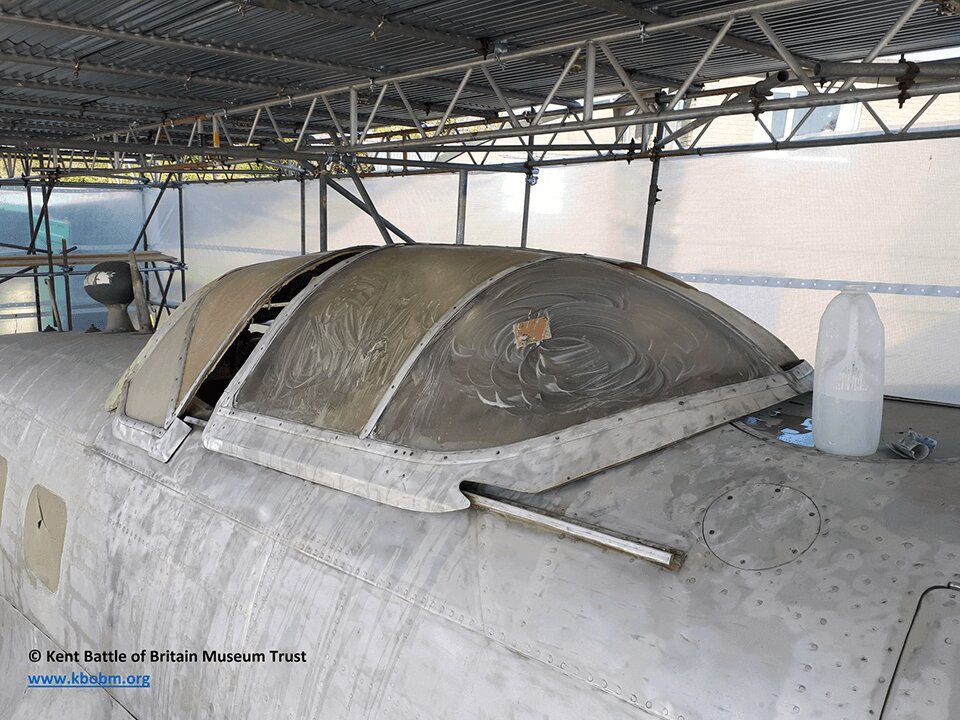
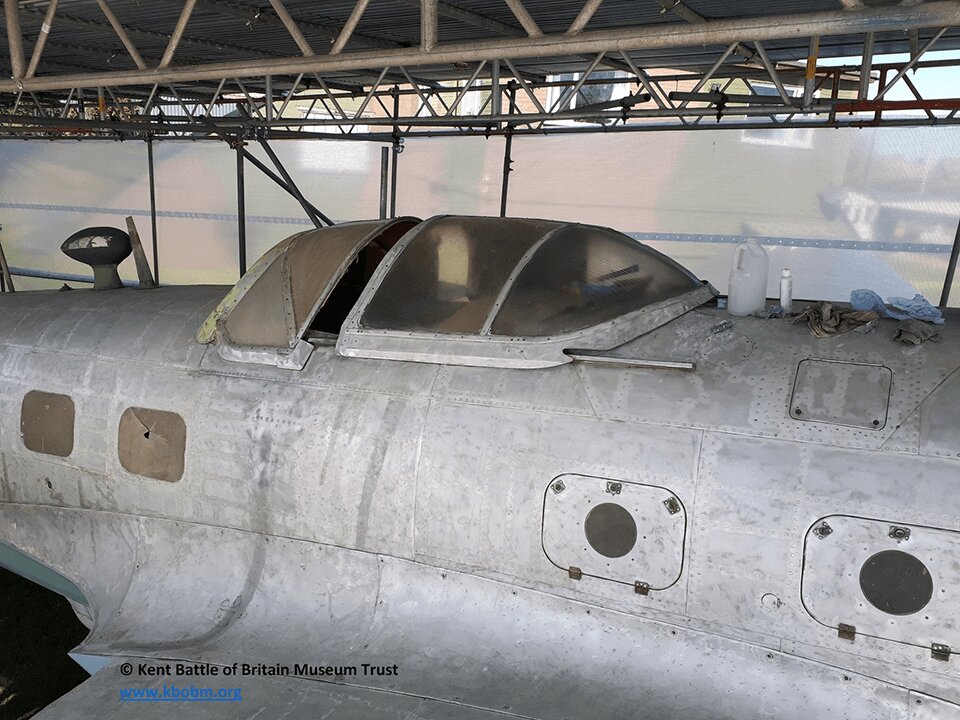
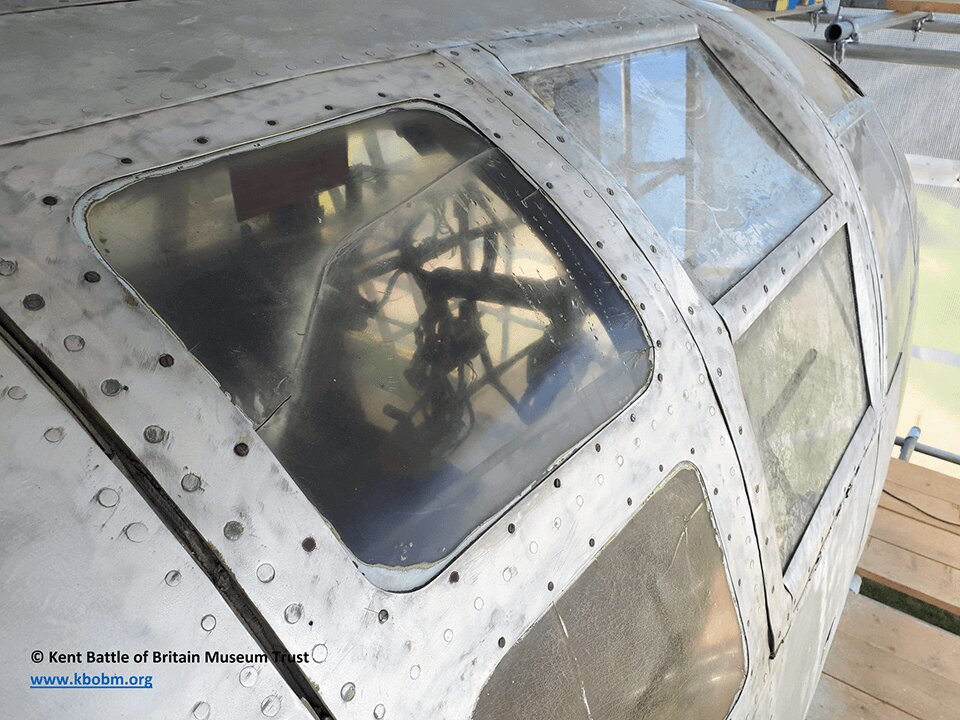
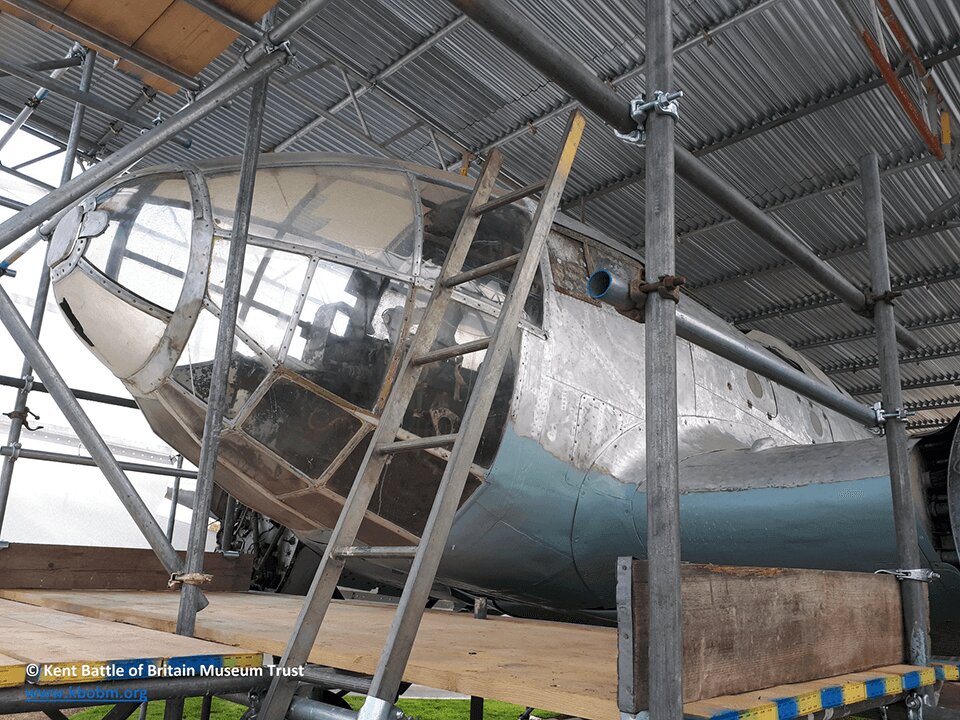
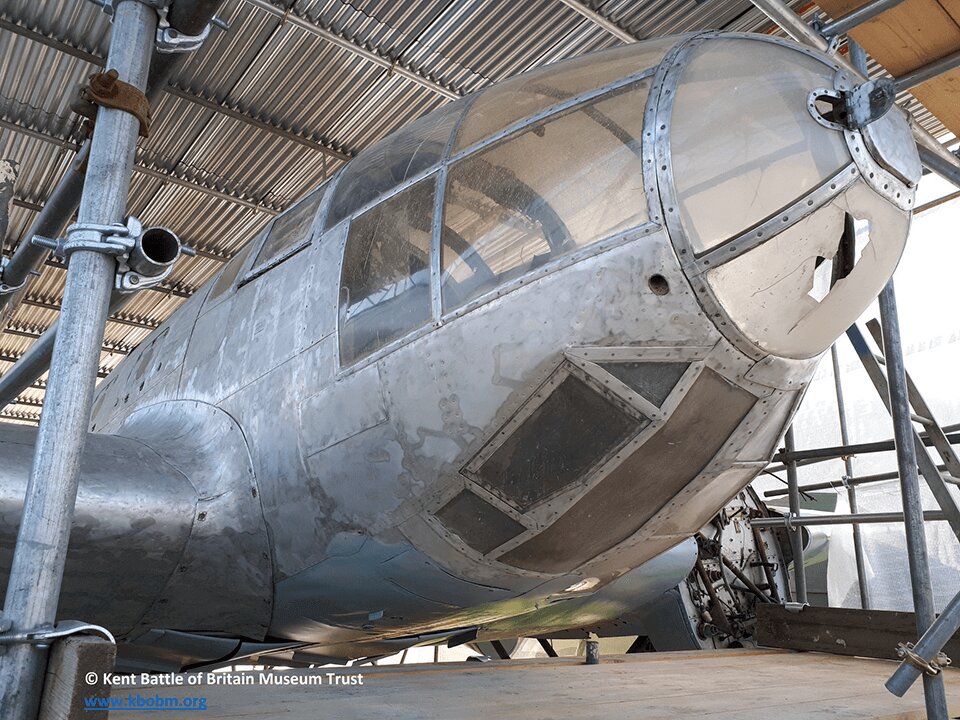
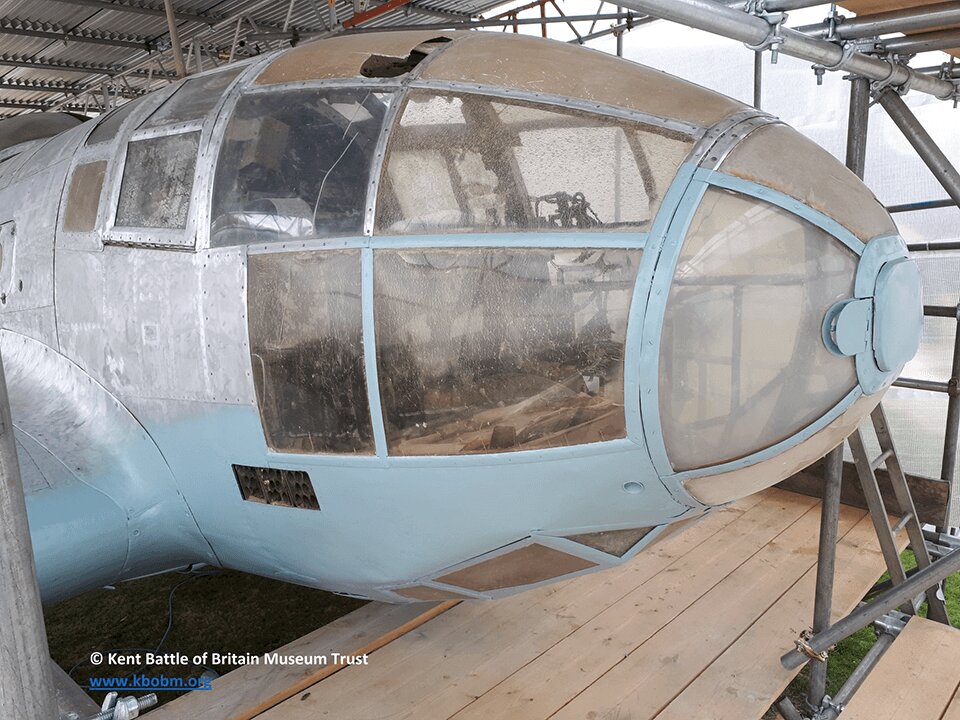
So you can imagine the surprise when four Museum volunteers, Dave, Richard, Julian and Jim, inspected the project at Duxford. Many of her instruments, controls, the control column and rudder bar pedals were still in place. The corrosion was fairly localised and can be inhibited, controlled, patched and replaced where necessary. More importantly, we believe she was built in the early 1940s as a Heinkel He 111H-16 and later converted, engines included, to a CASA 2.111.B.
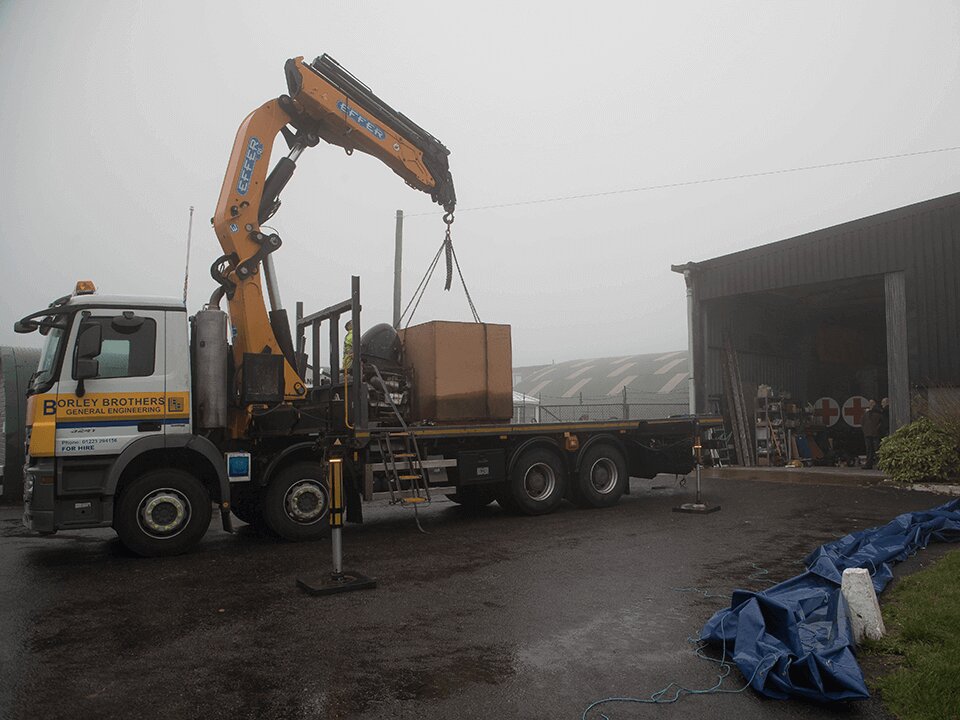
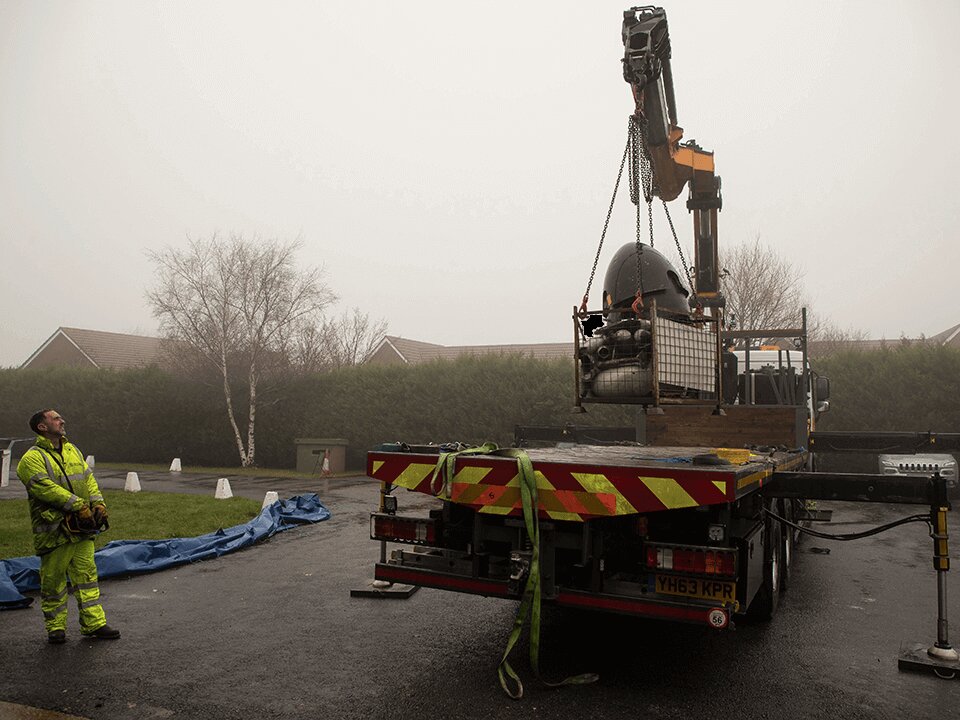
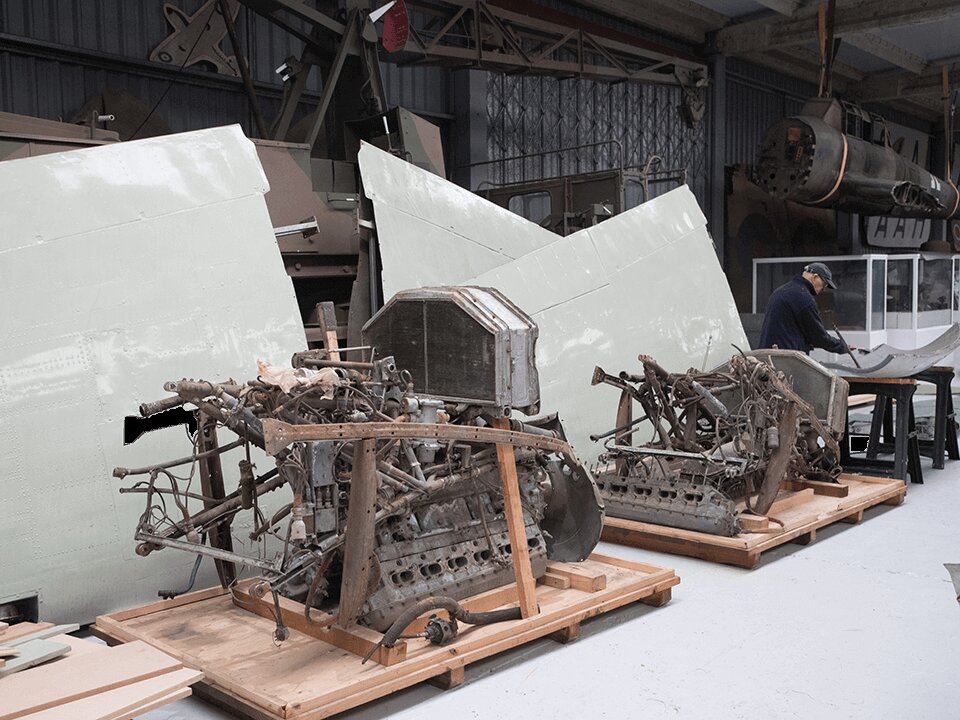
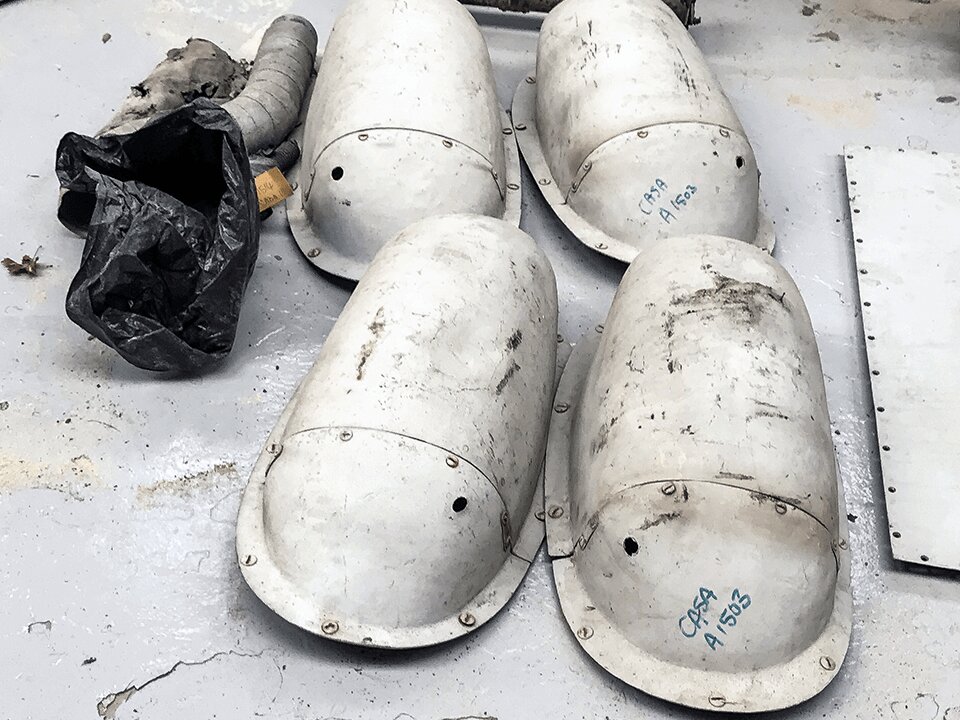
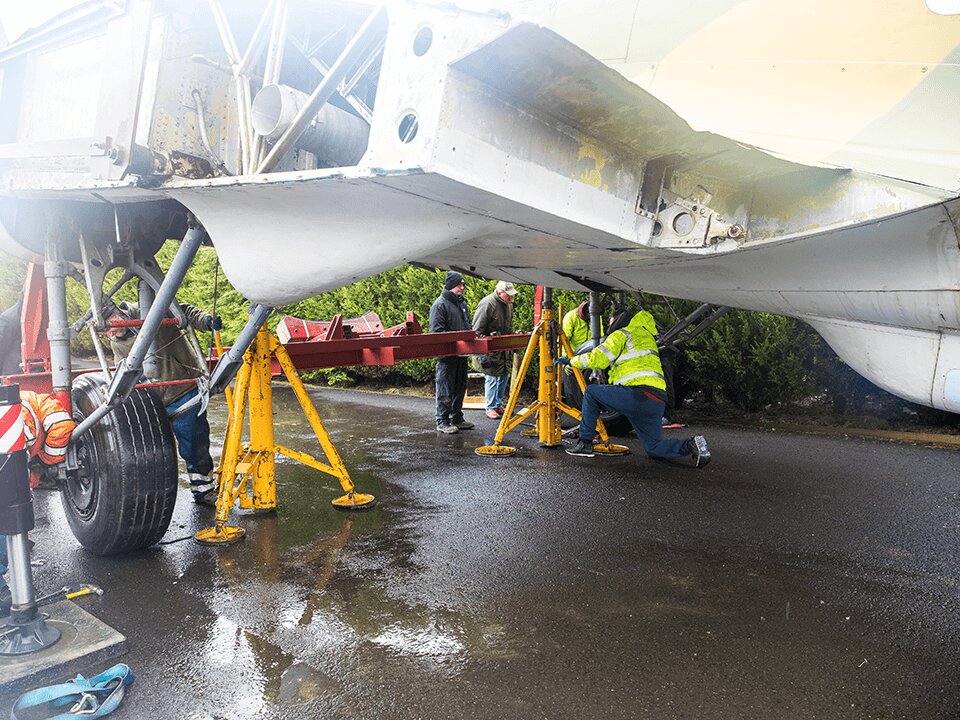
After acquiring the project the volunteers, led as always by Dave, worked with the Imperial War Museum to plan her move to Hawkinge. We have also been tracking down spare parts for her long-term restoration: a large percentage of the radio equipment, leads on Jumo 211 engines in various countries around the world, and prices for replacement engine cowlings, so that we can convert her back to her original Heinkel He 111H specification!
Restored as A1+DA
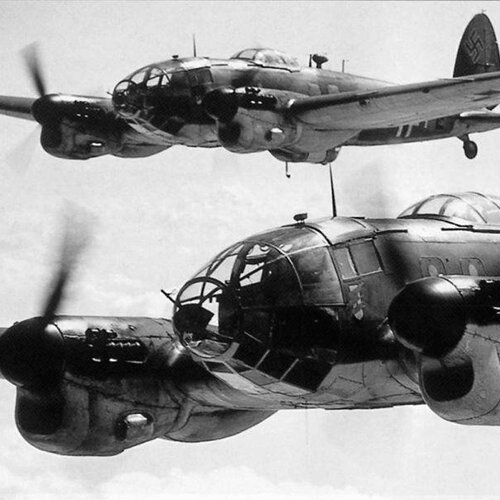
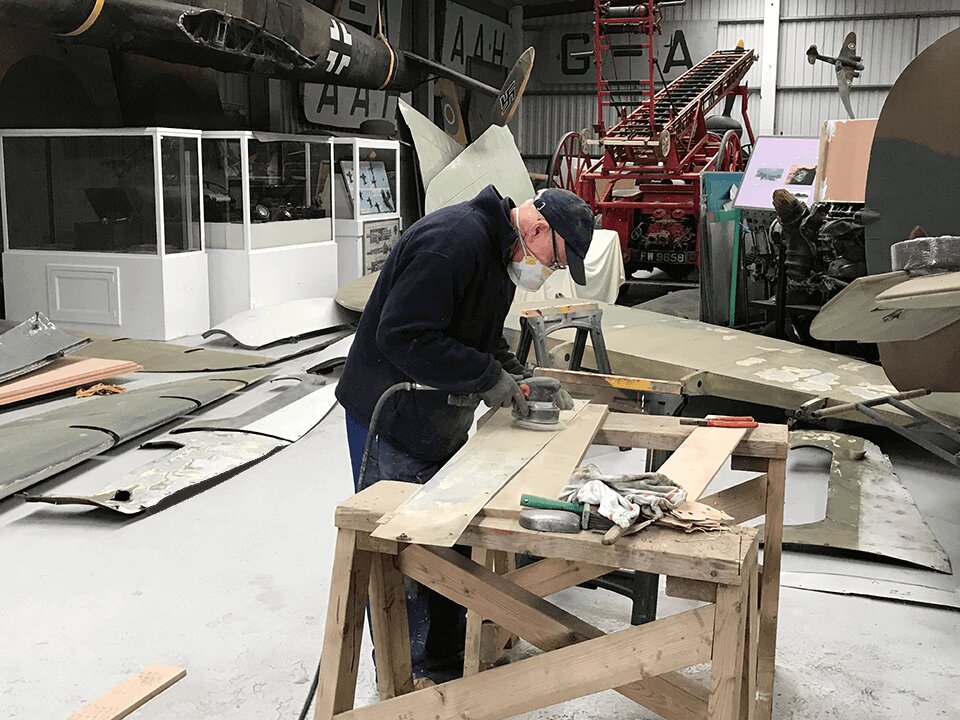
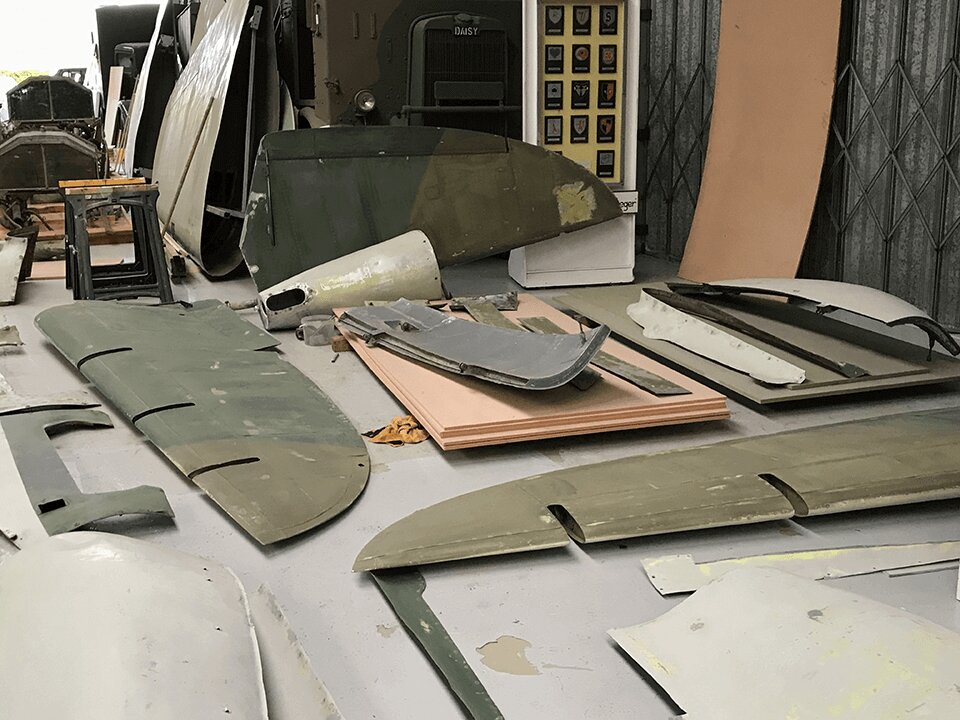
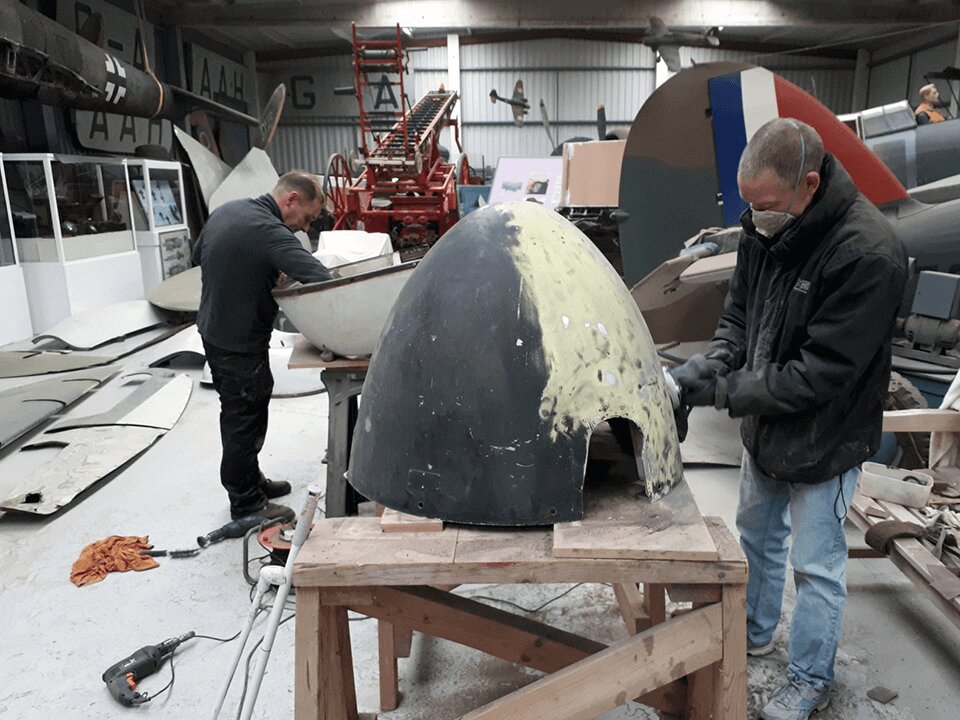
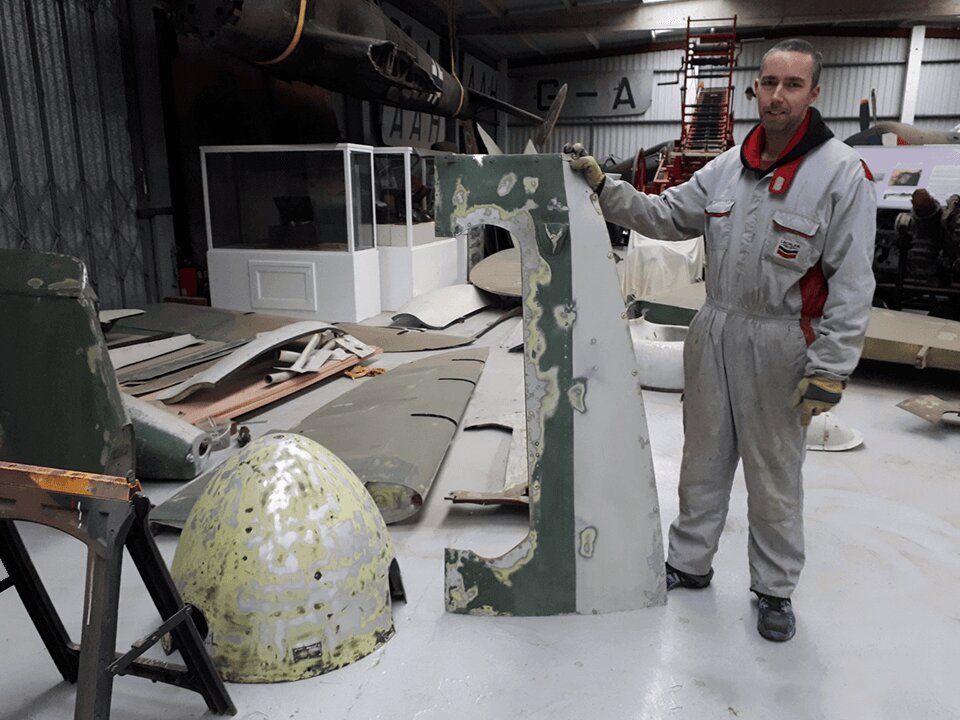
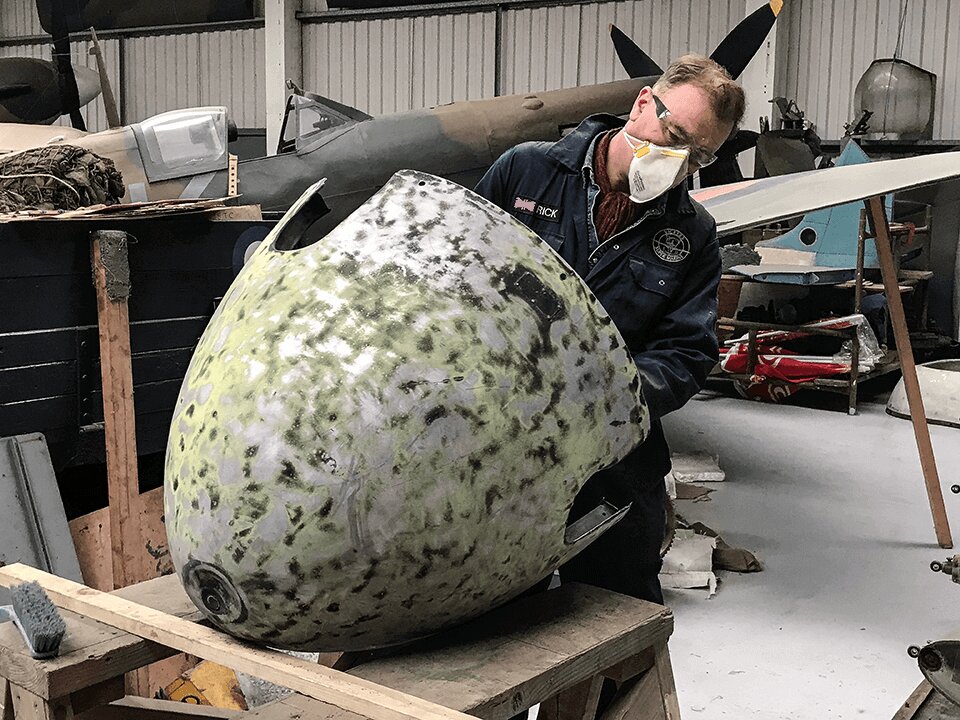
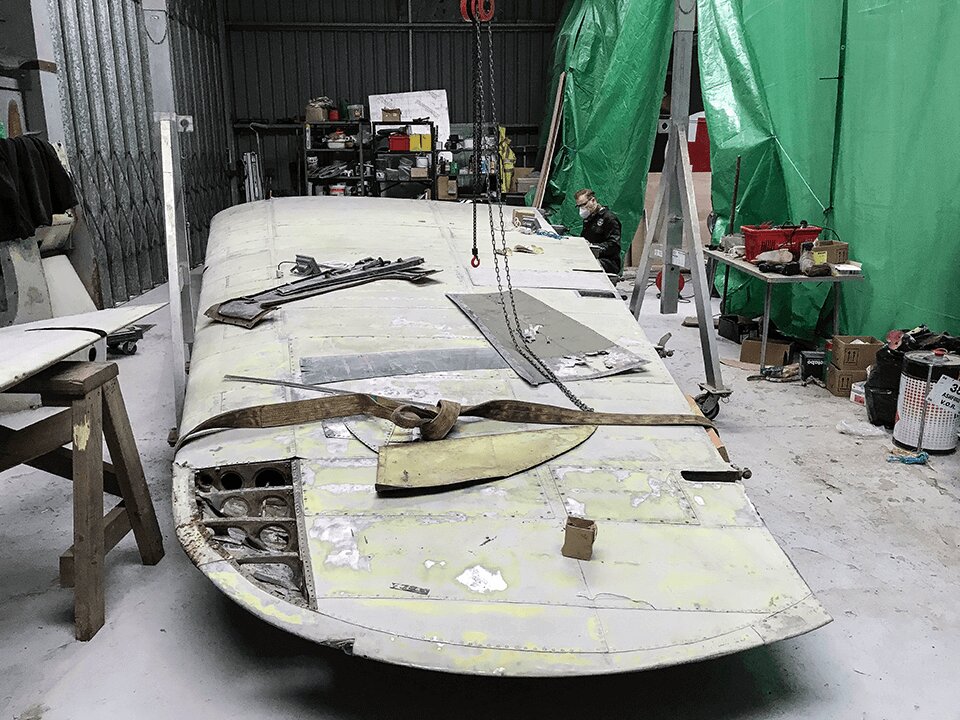
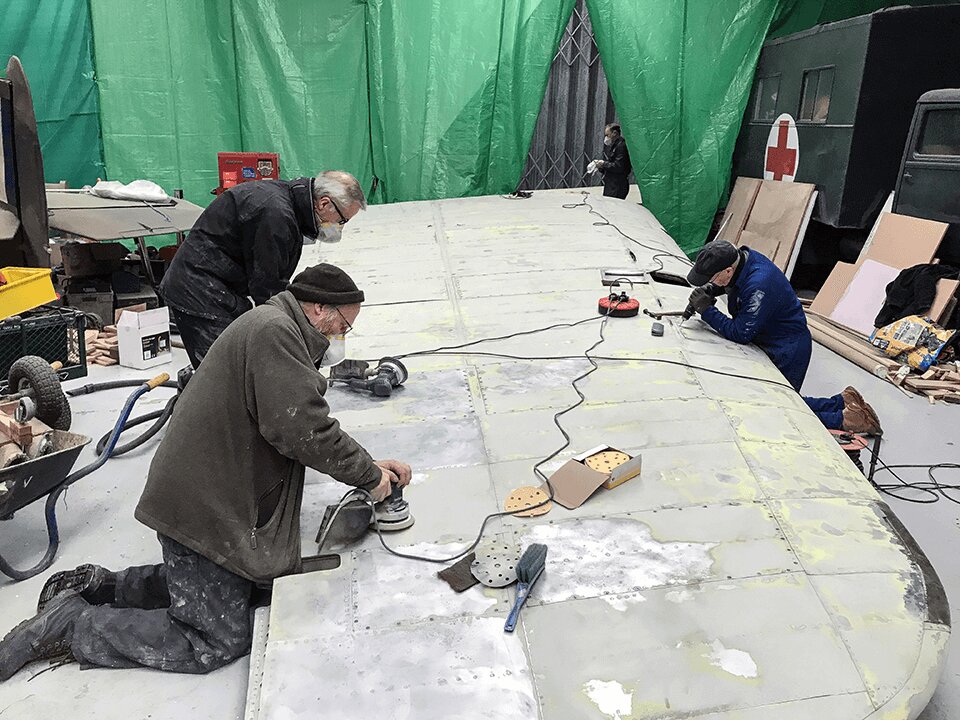
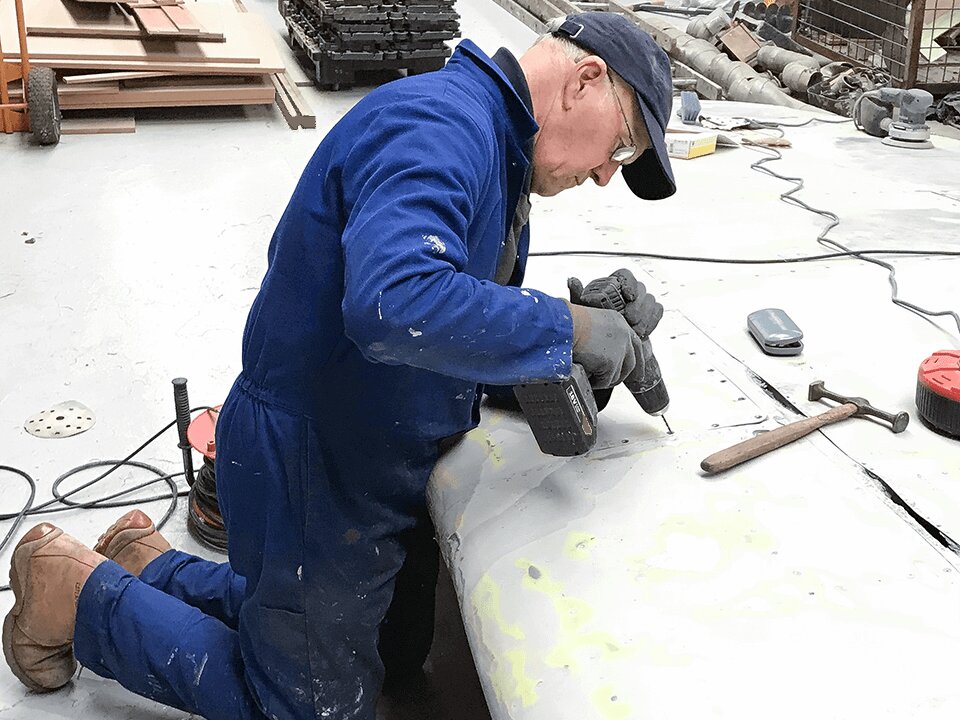
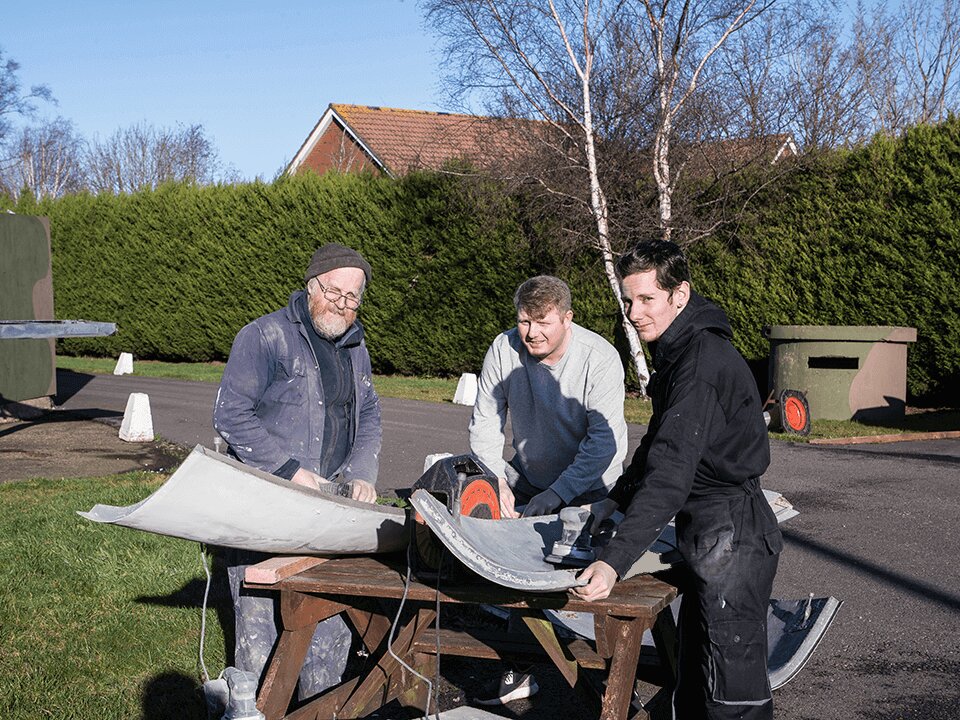
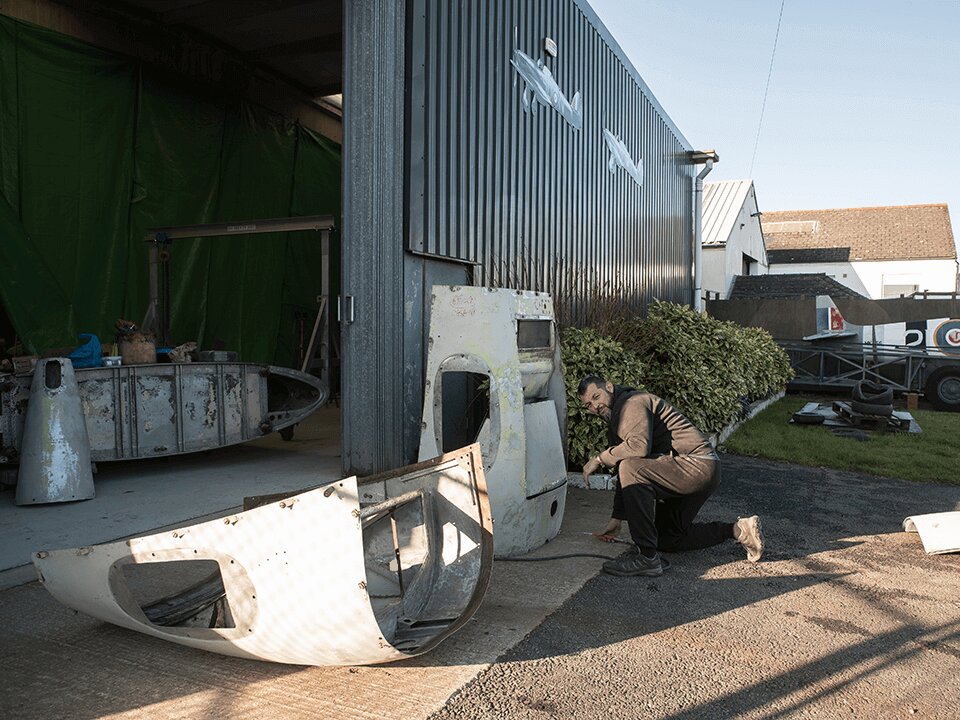
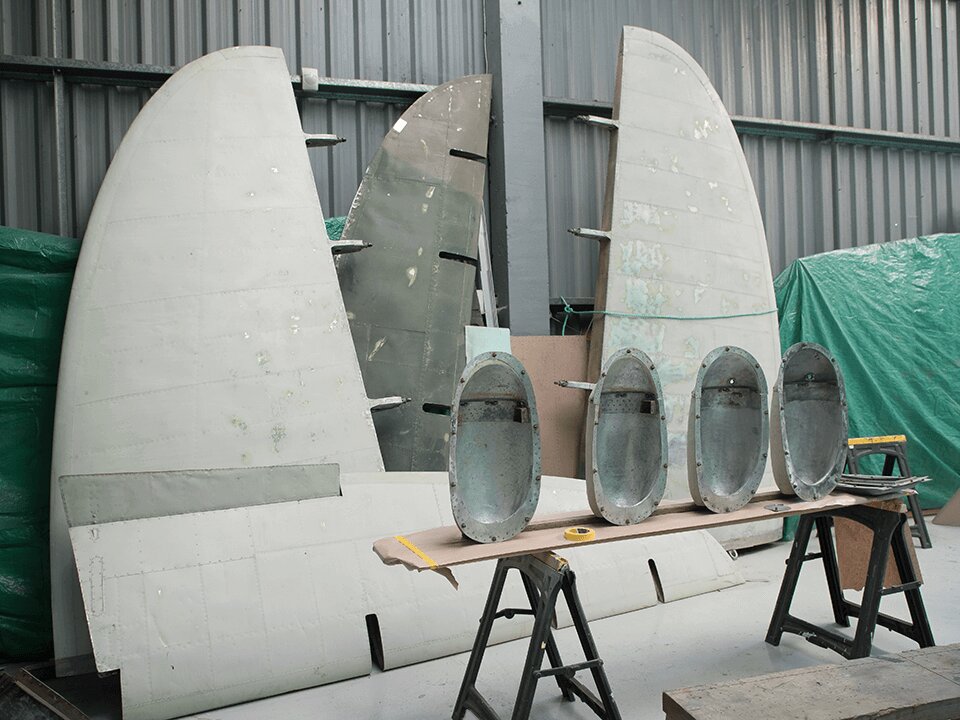
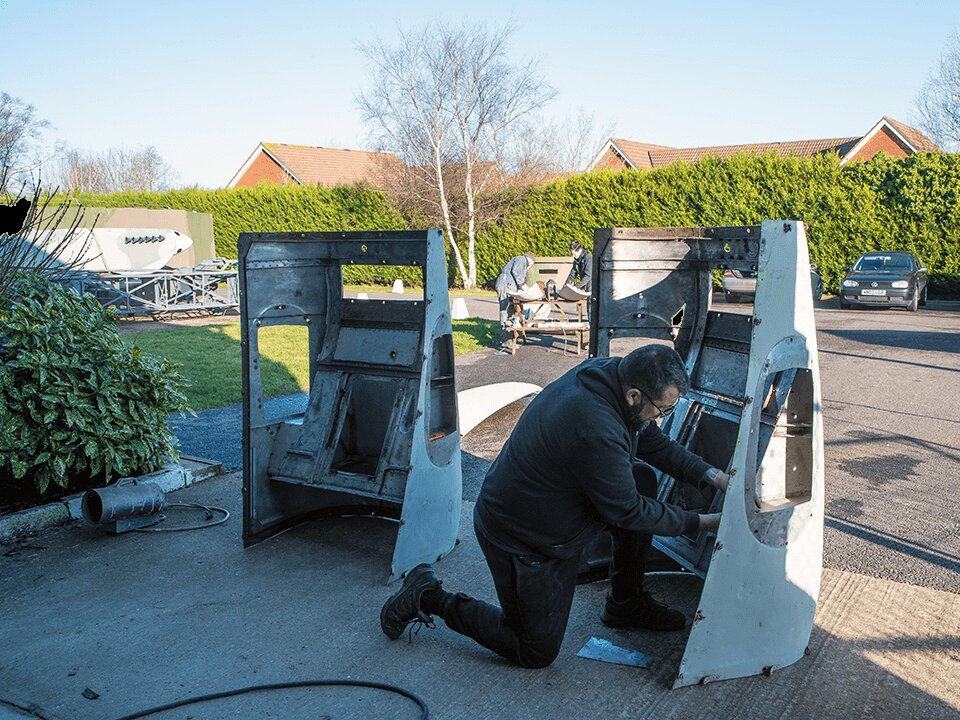
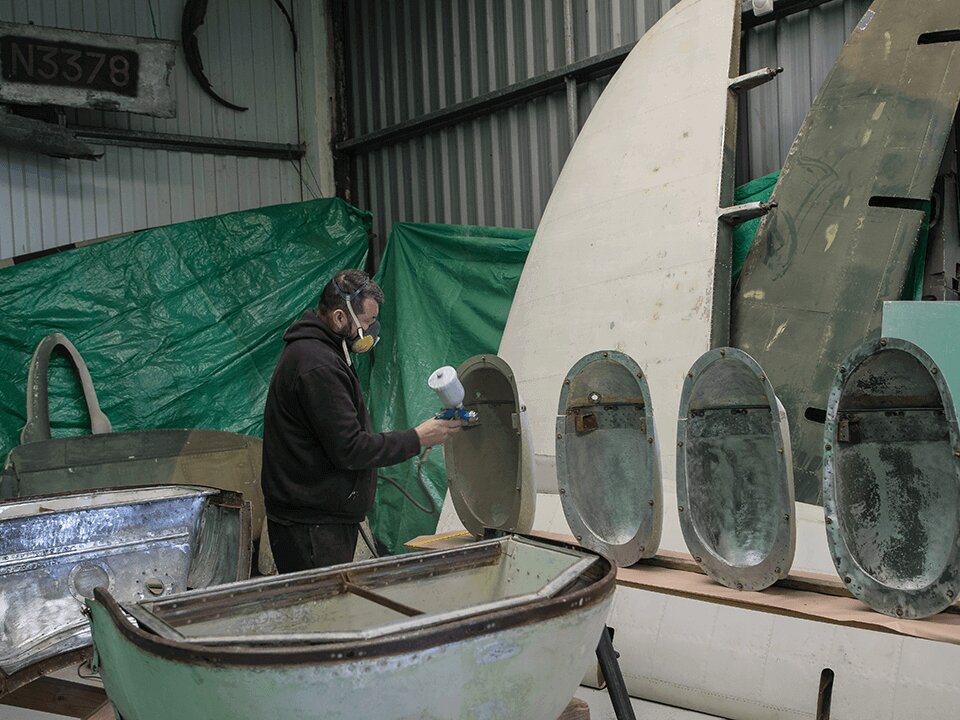
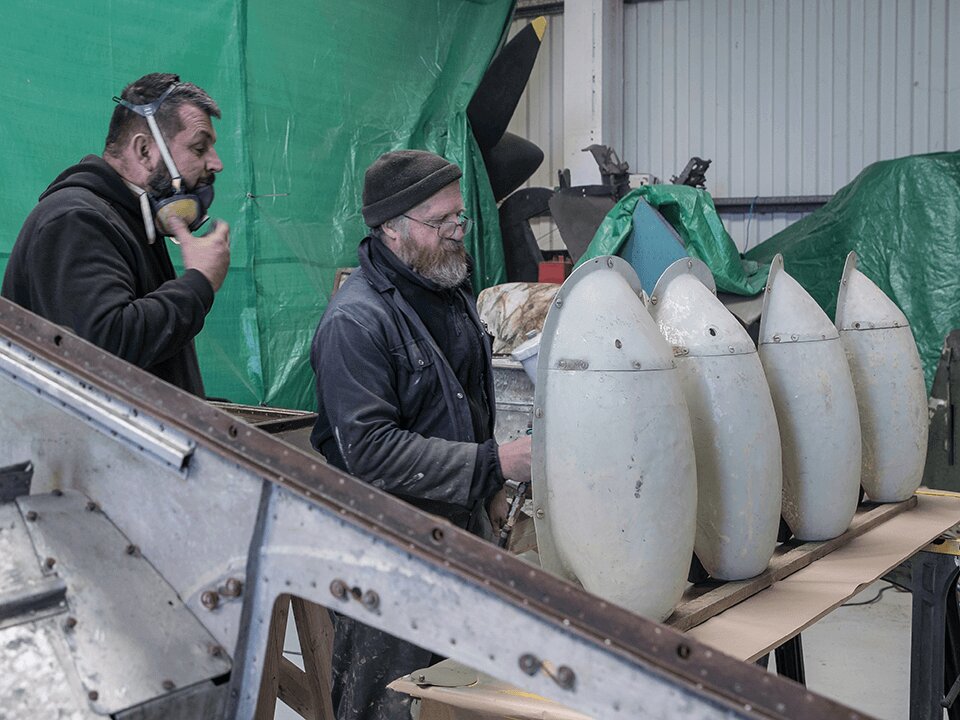
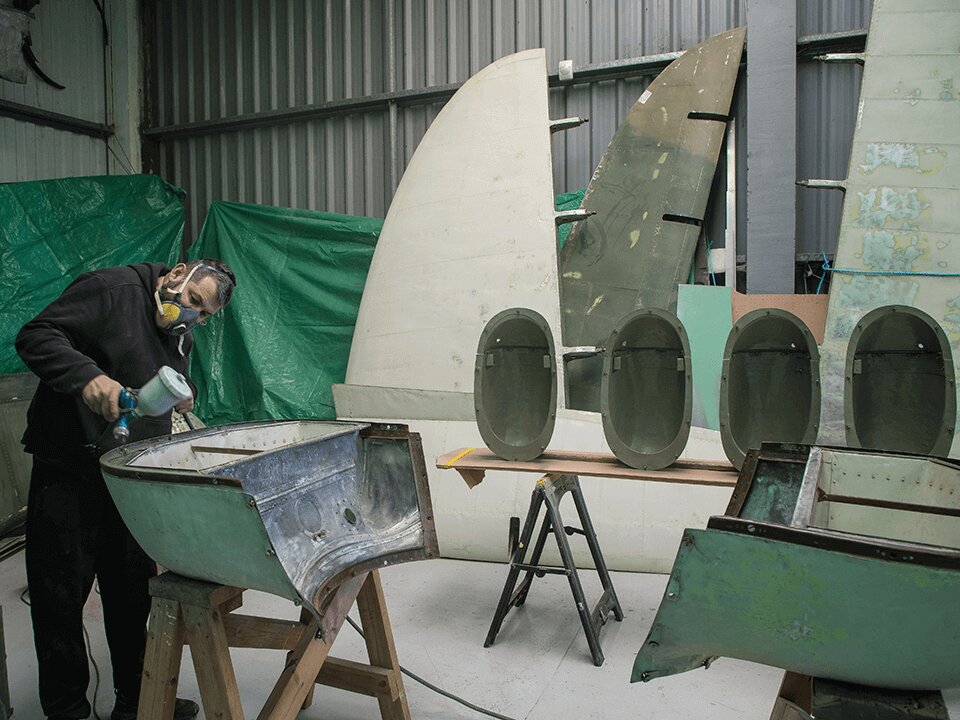
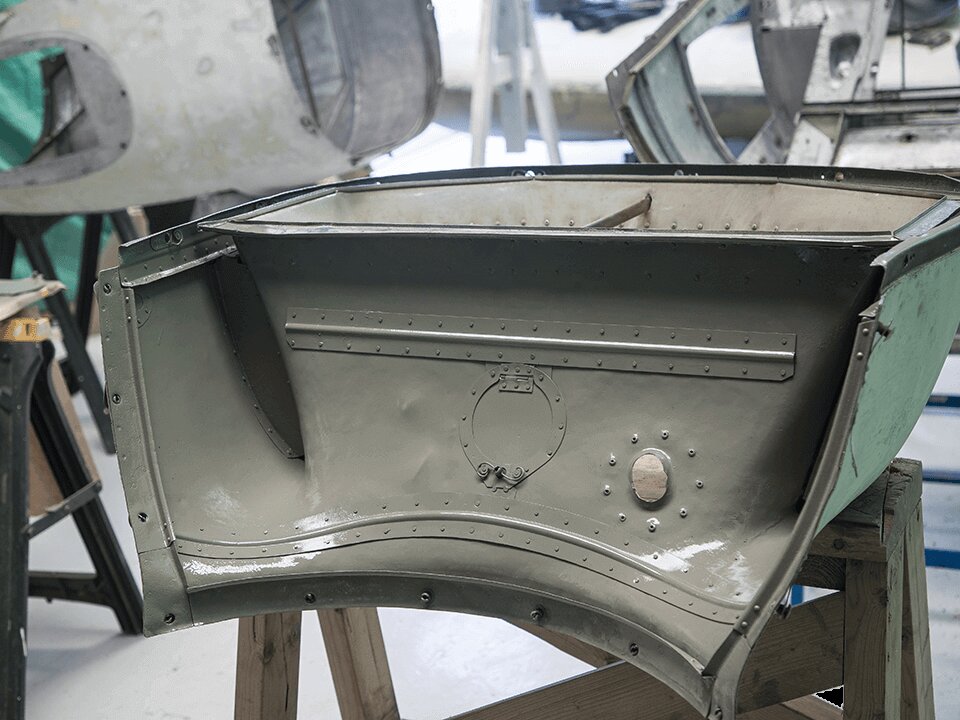
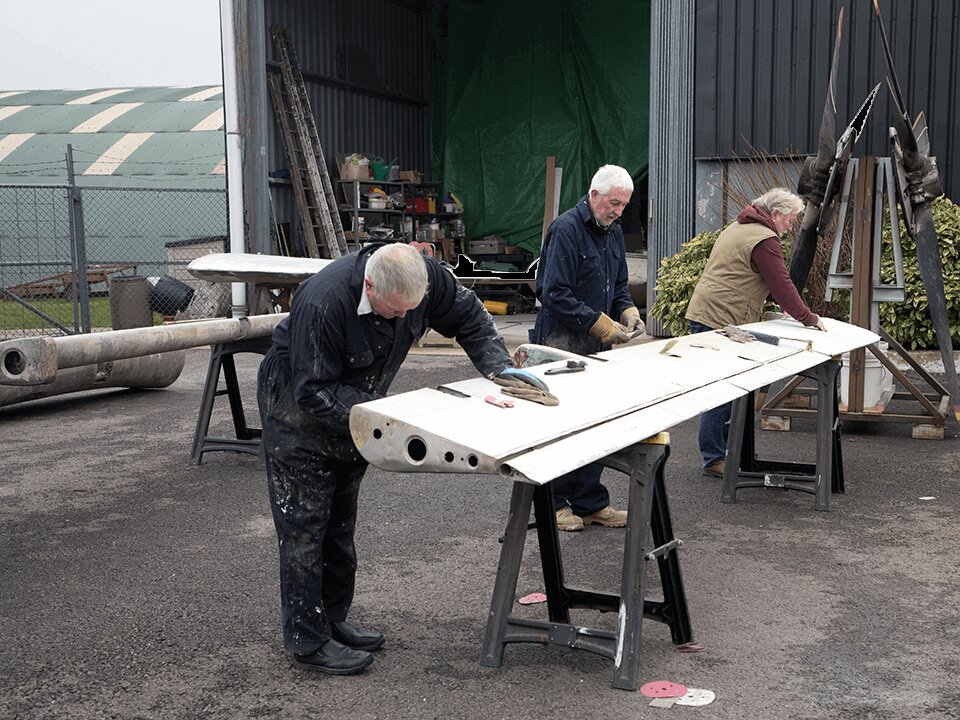
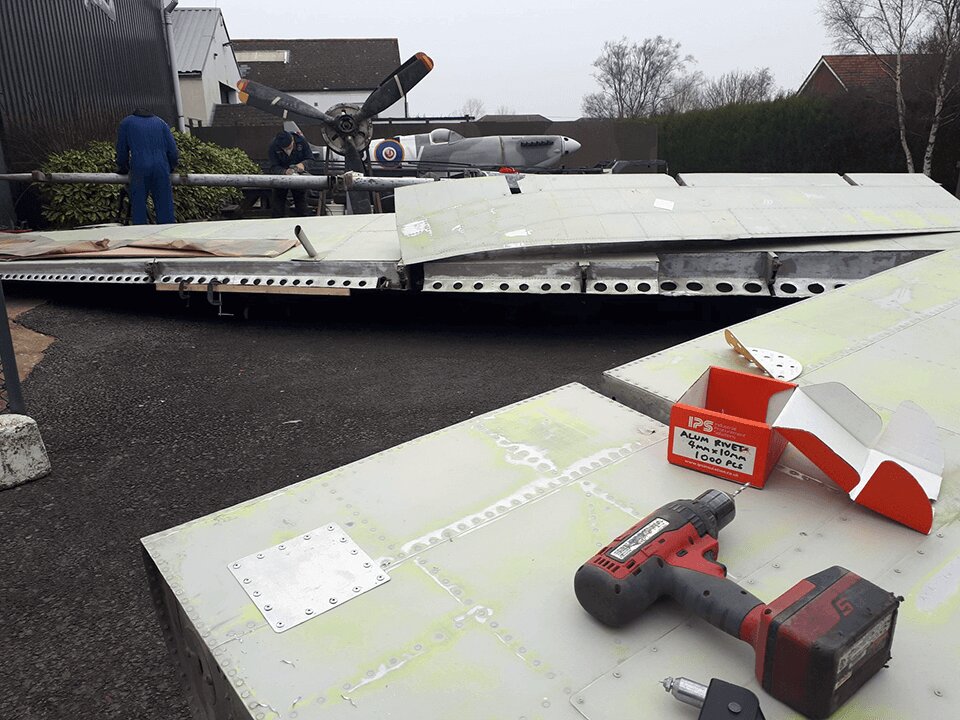
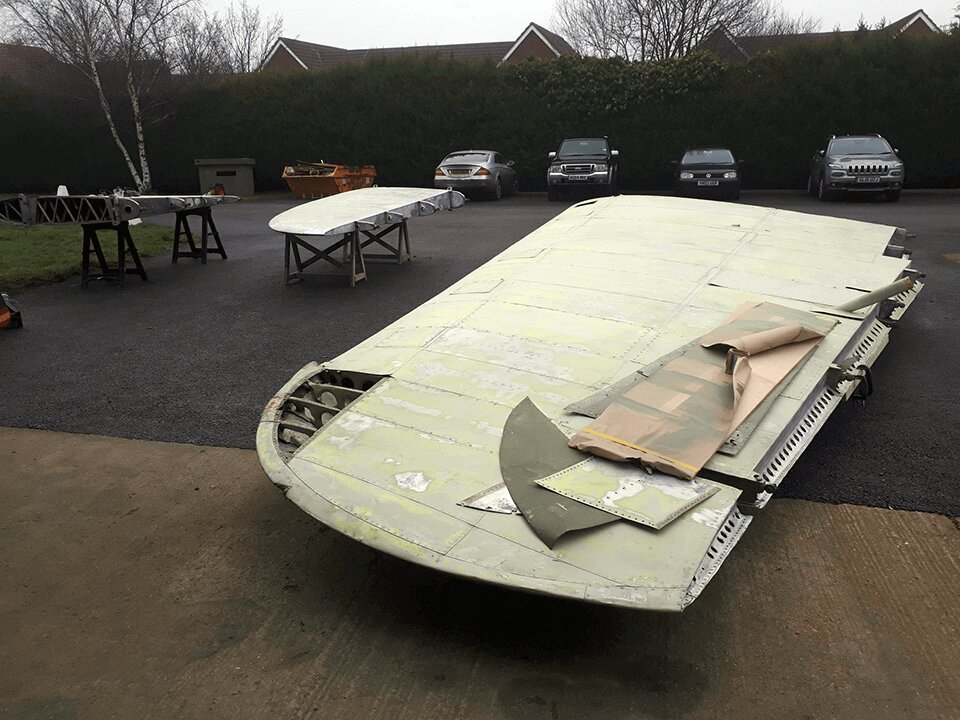
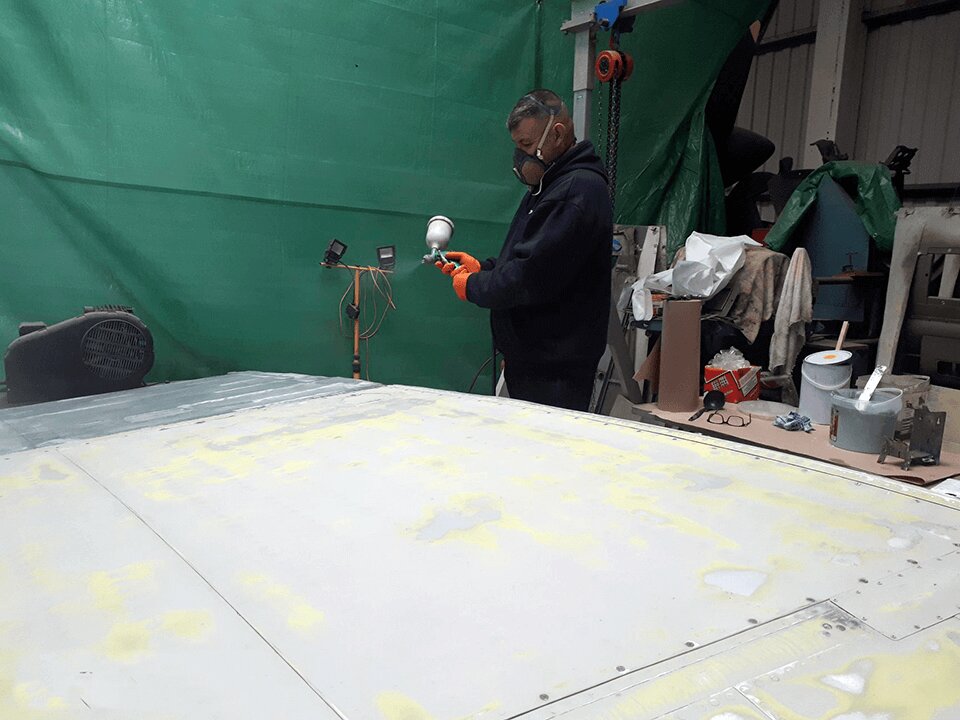
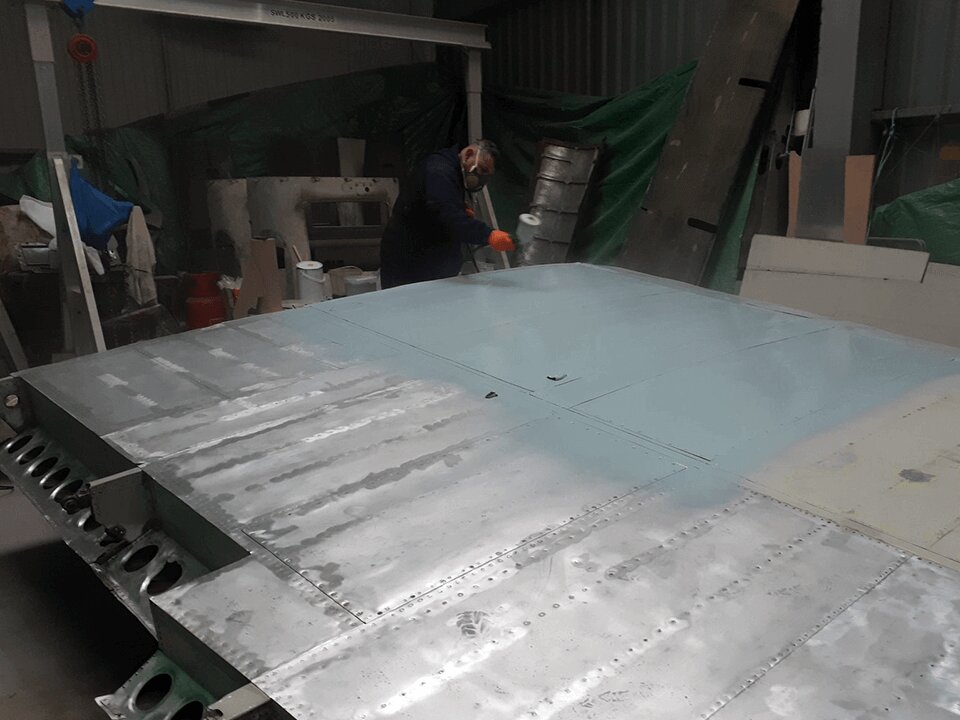
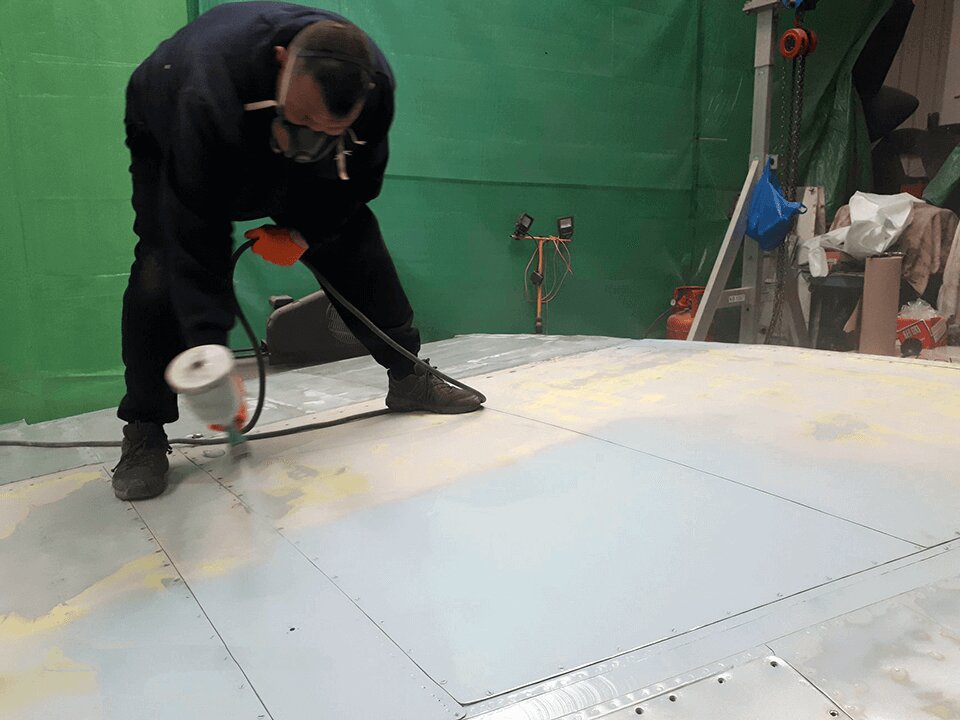
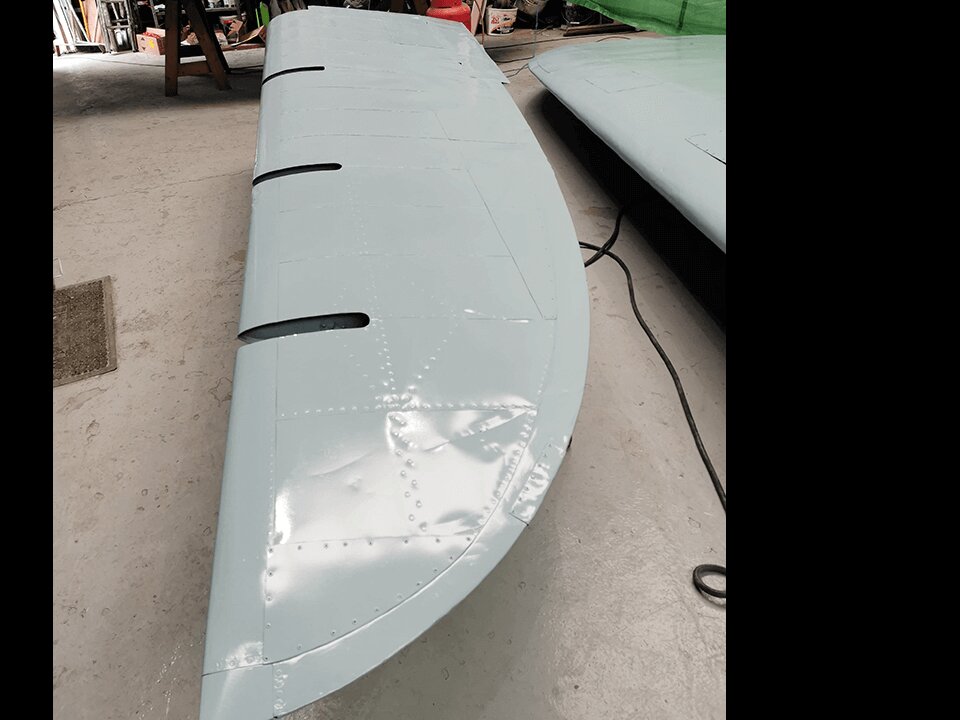
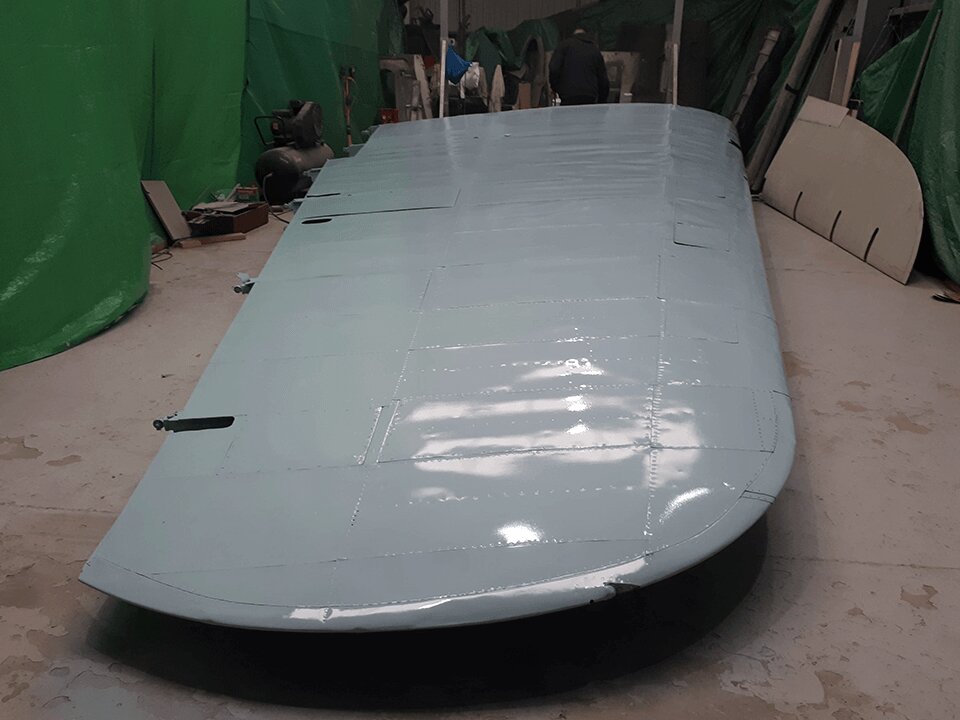
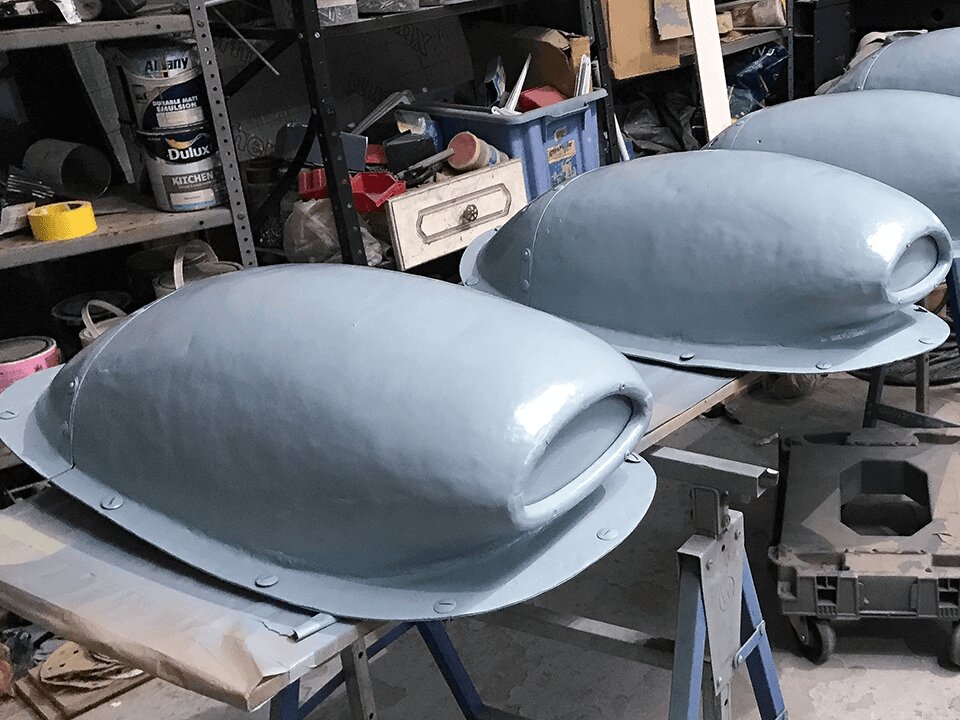
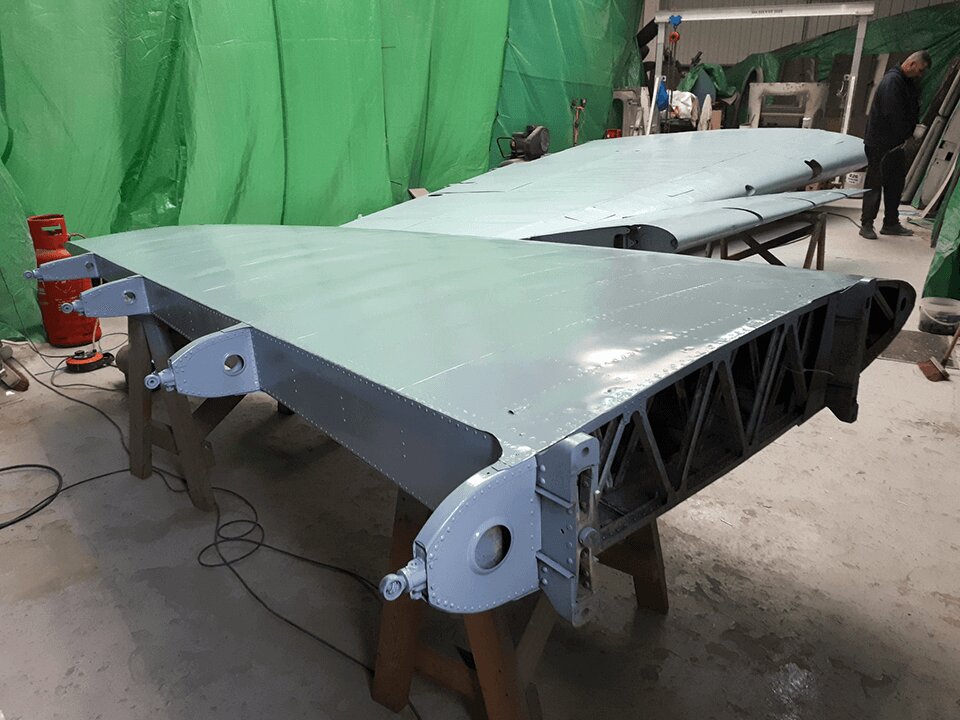
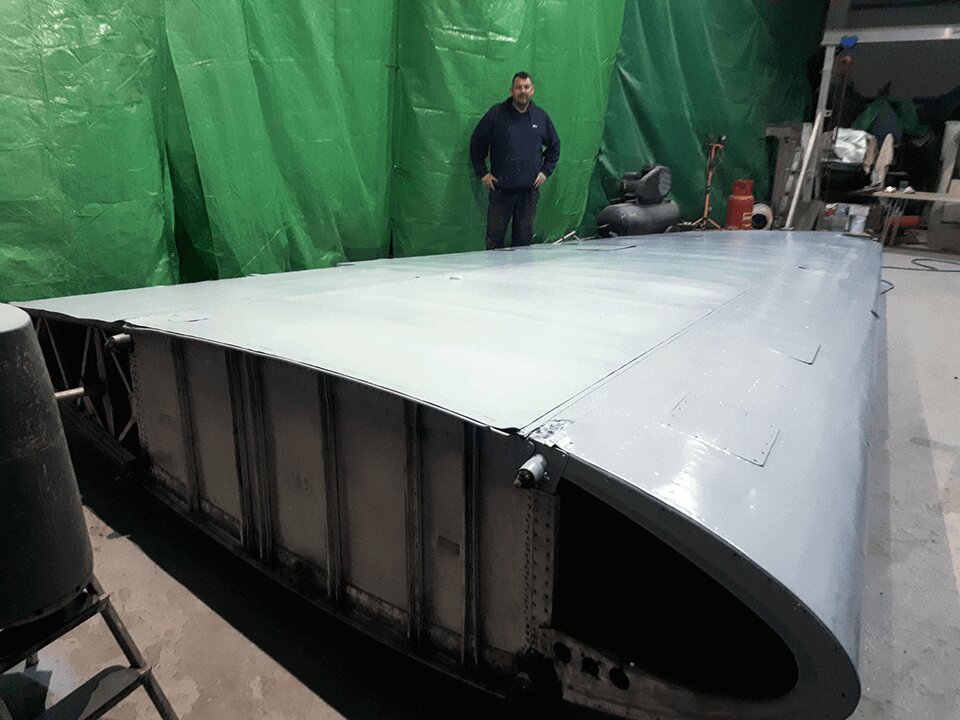
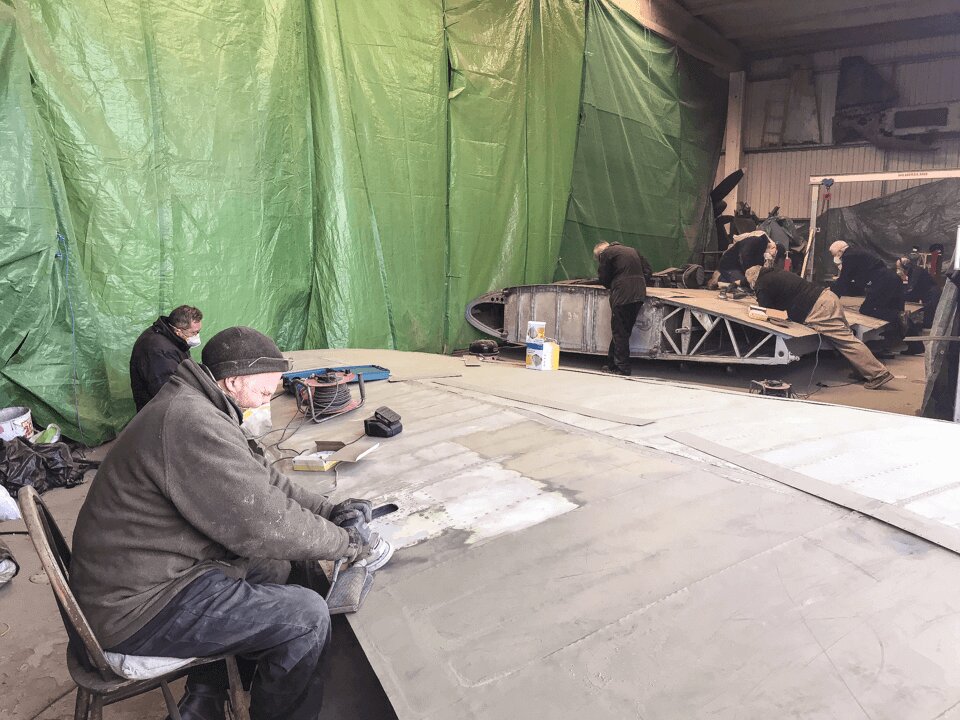
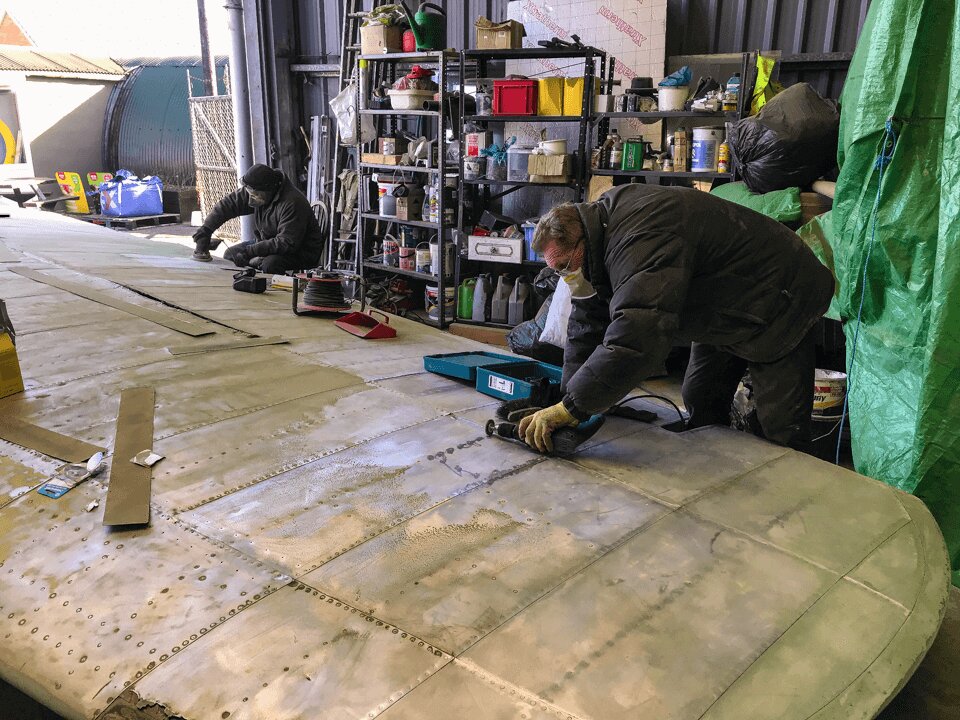
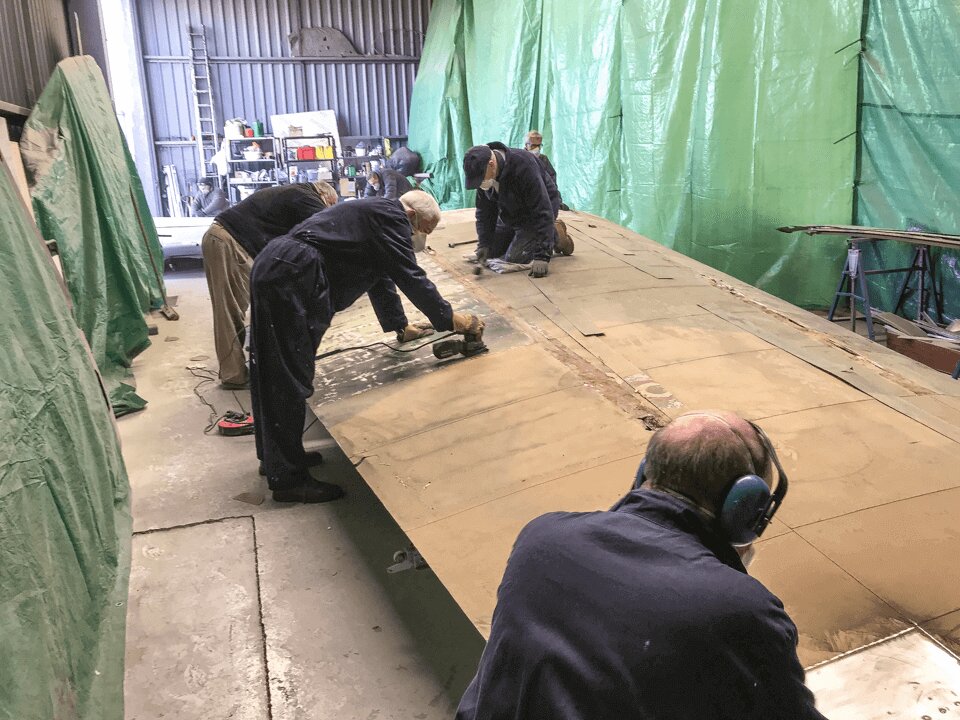
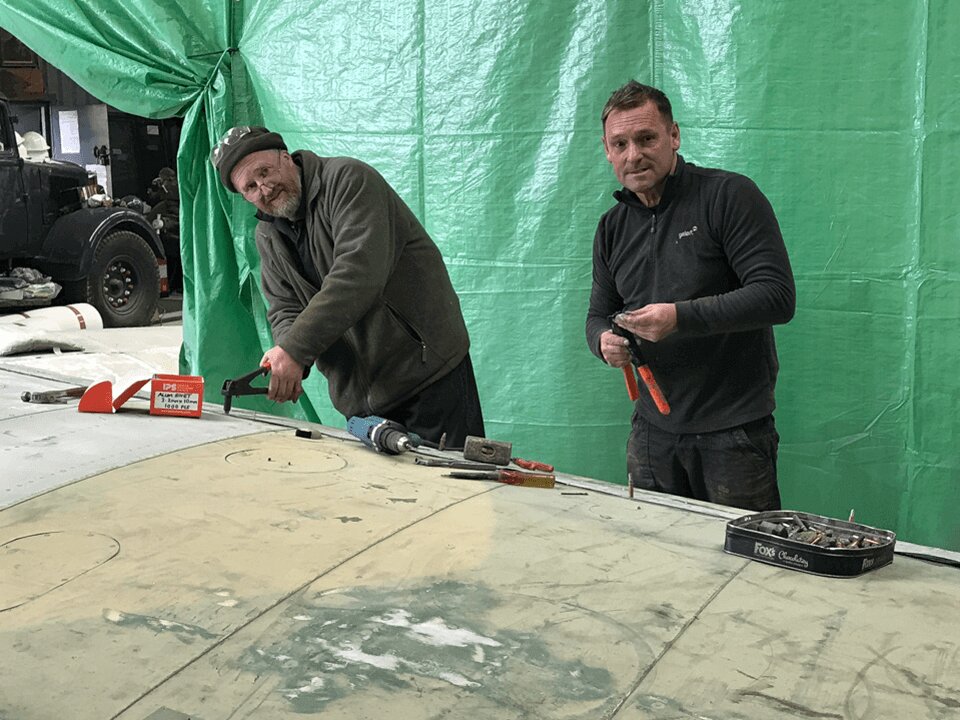
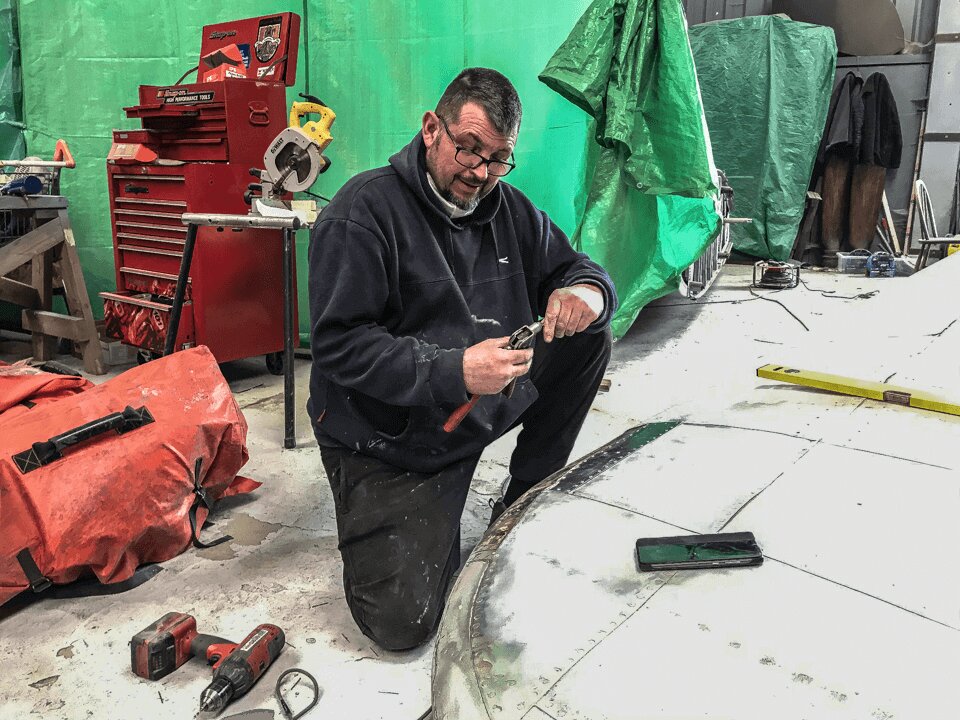
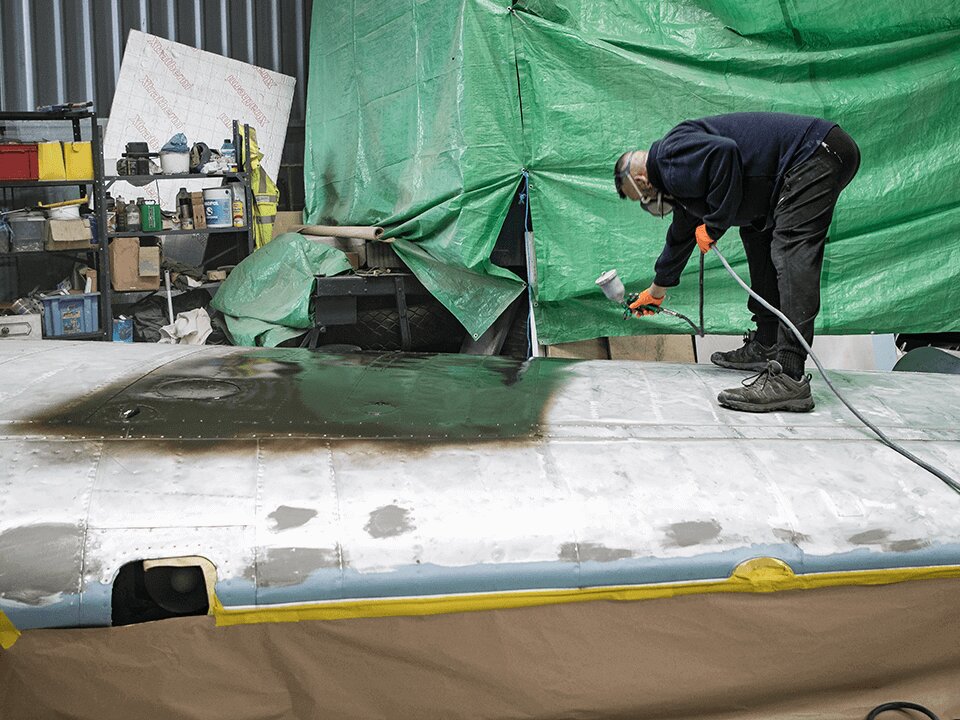
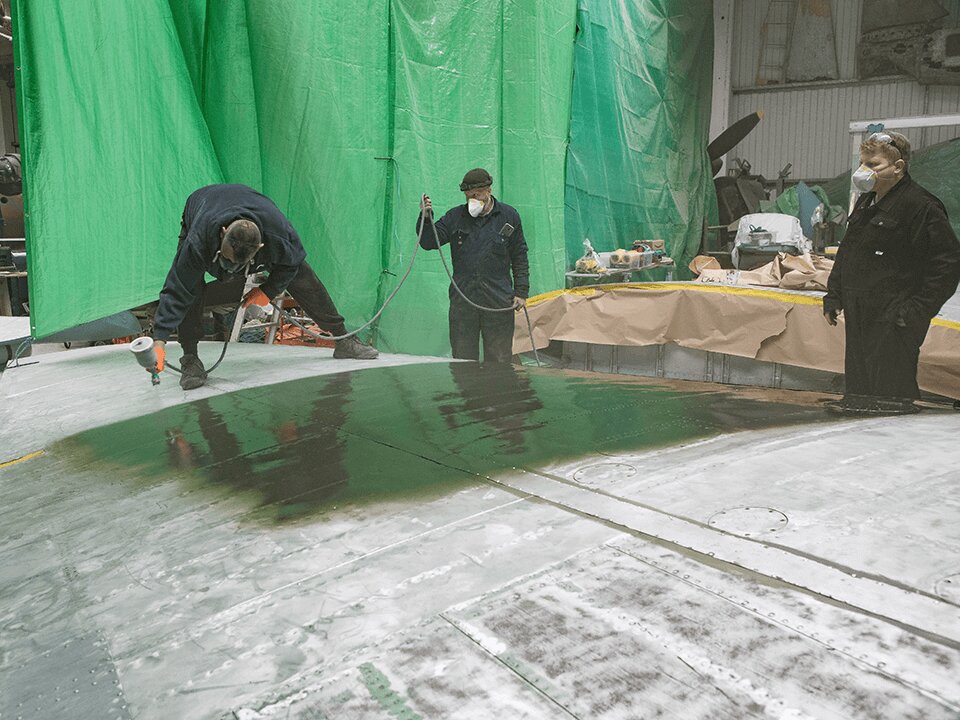
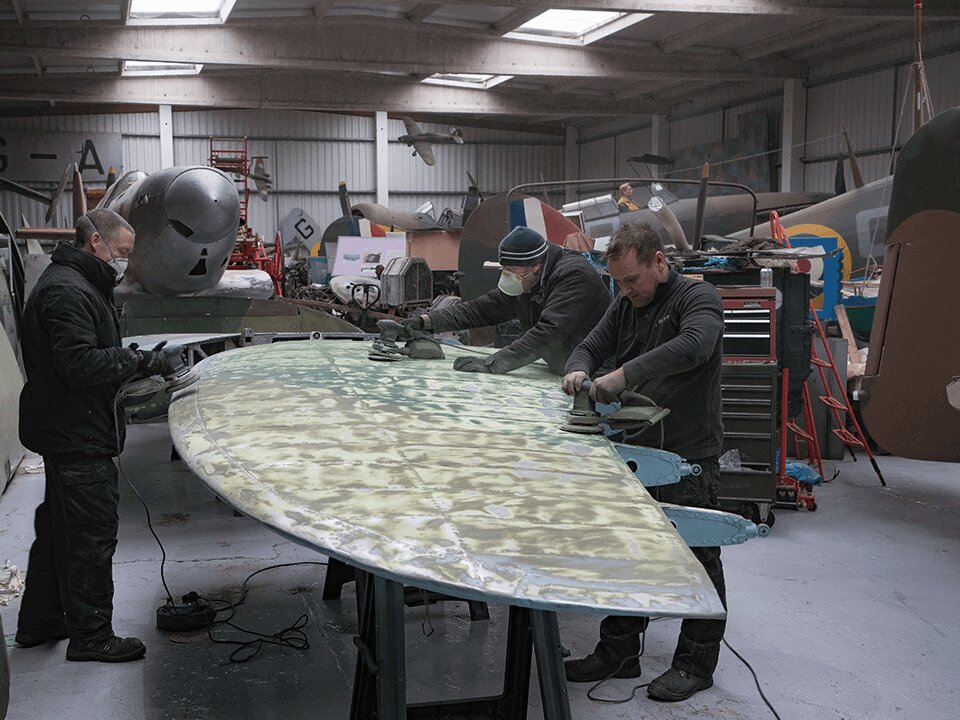
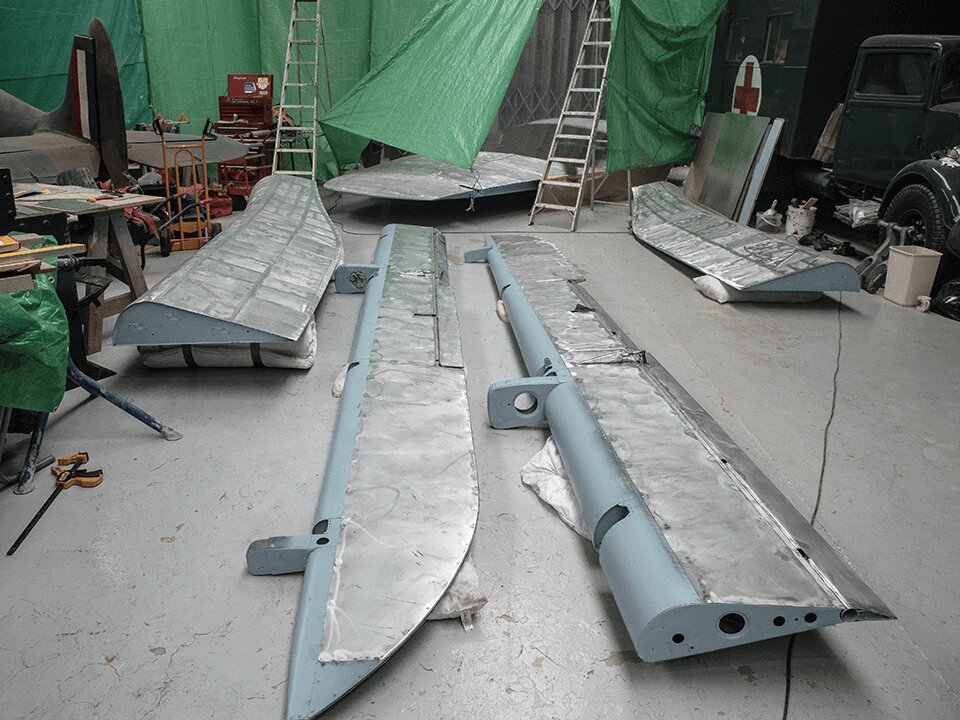
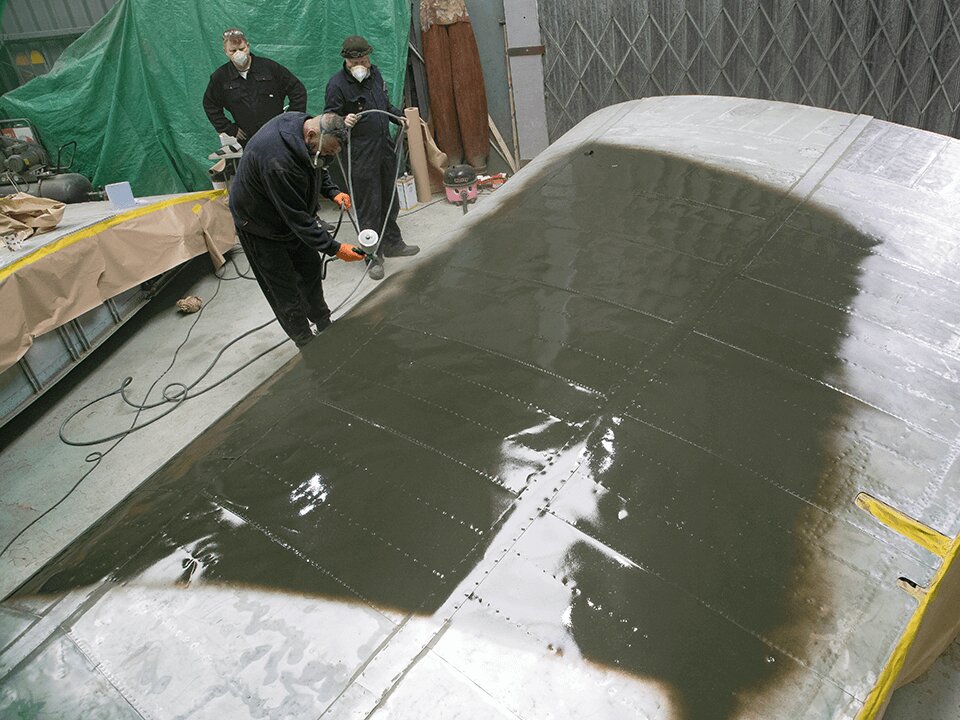
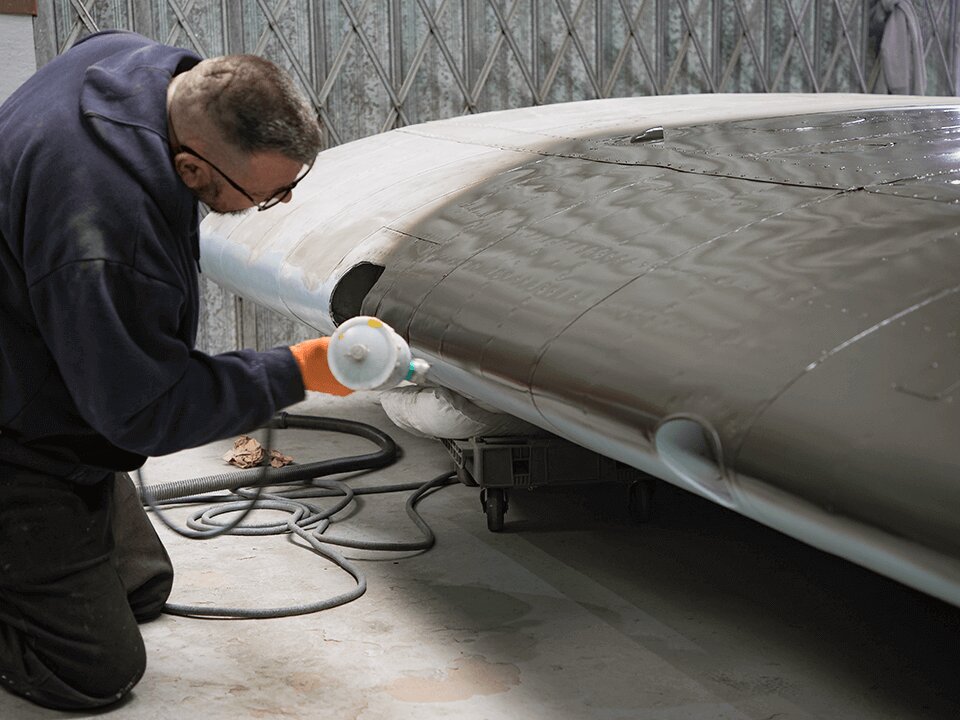
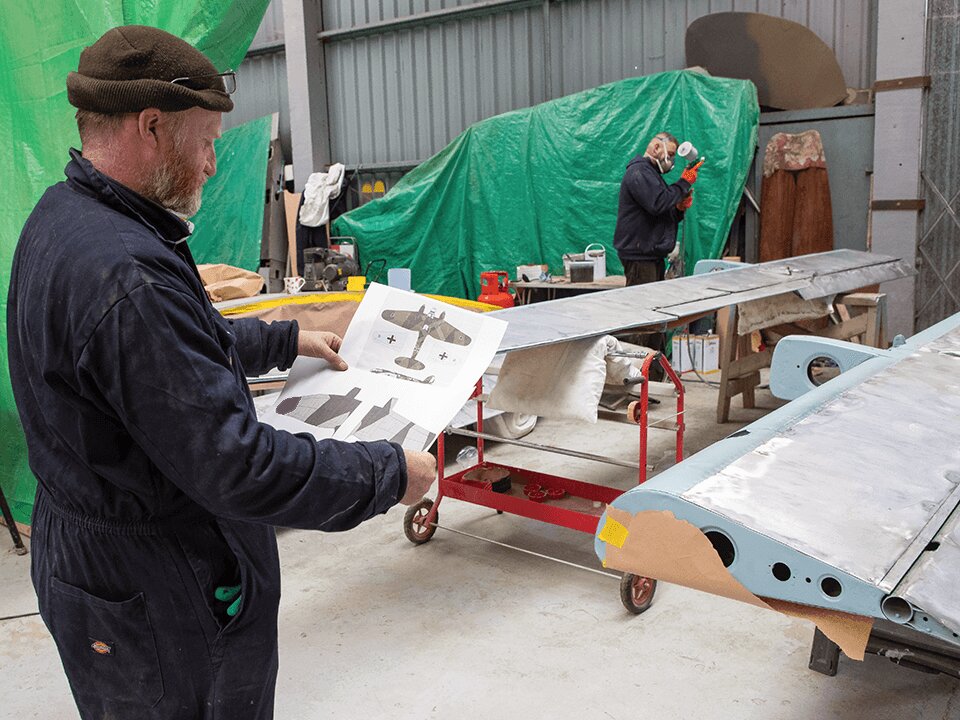
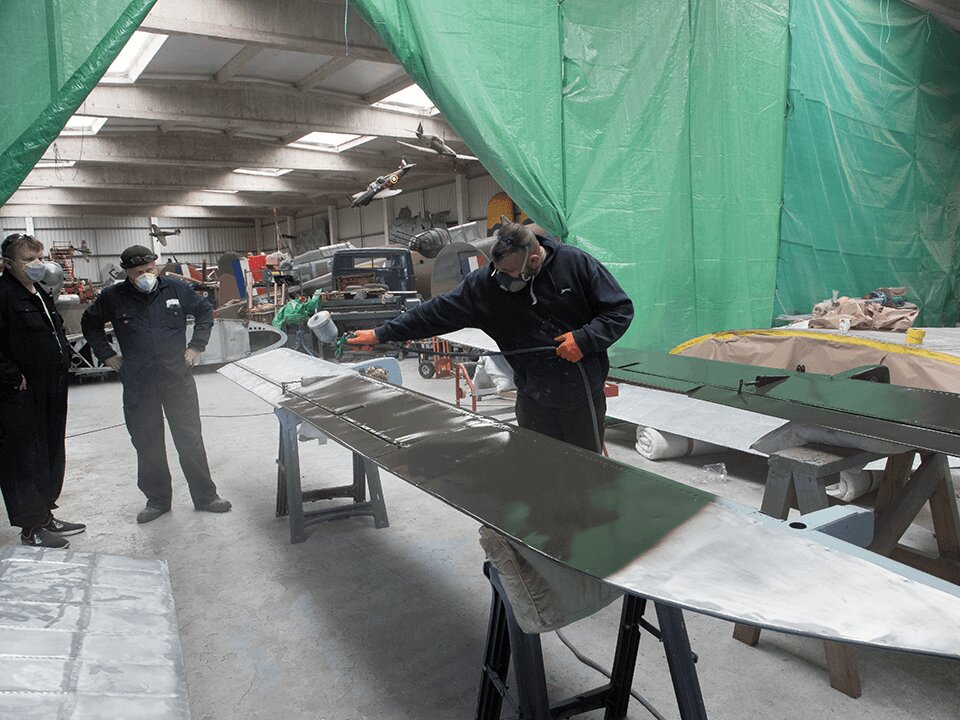
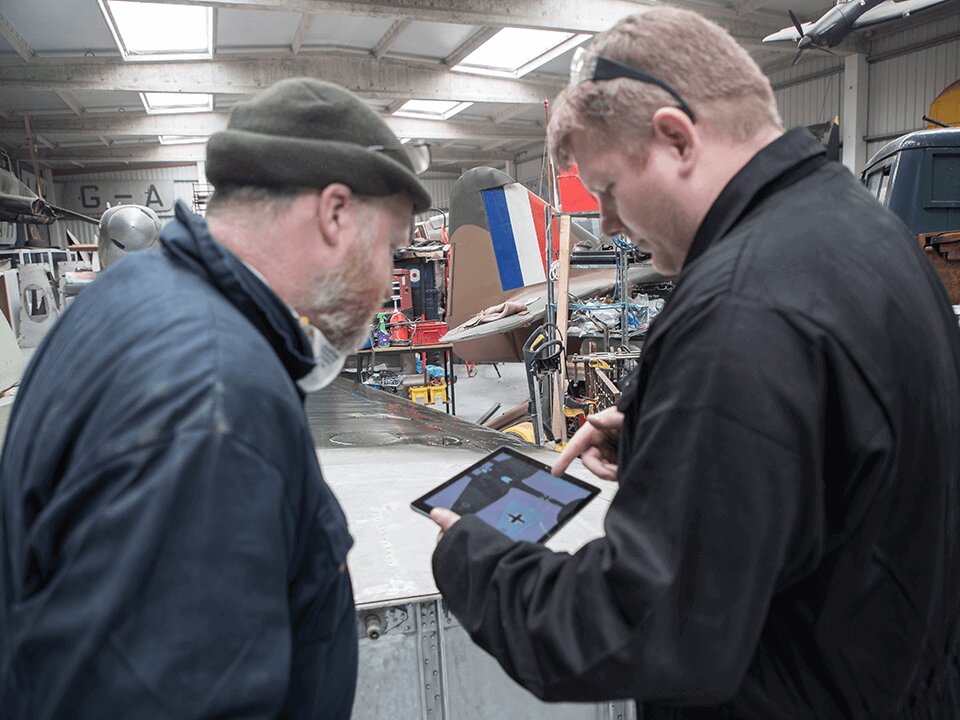
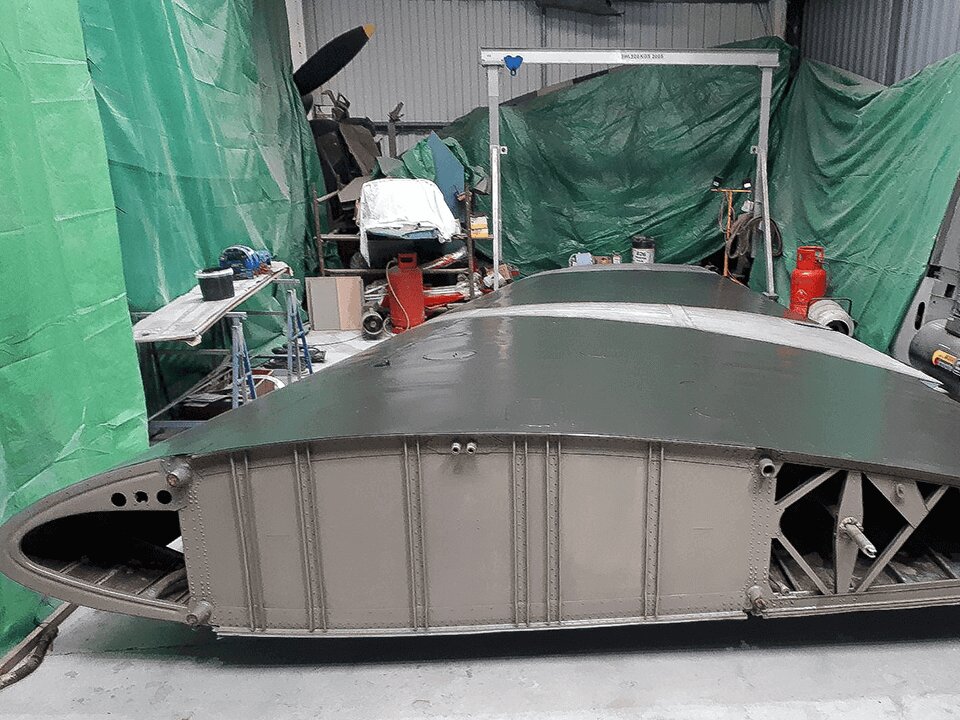
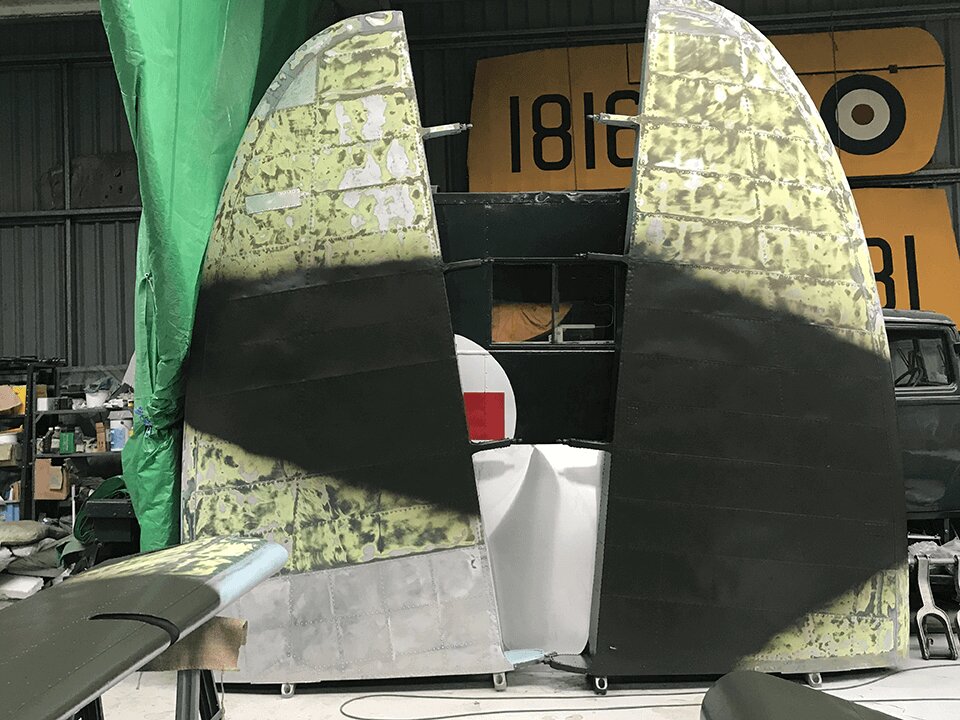
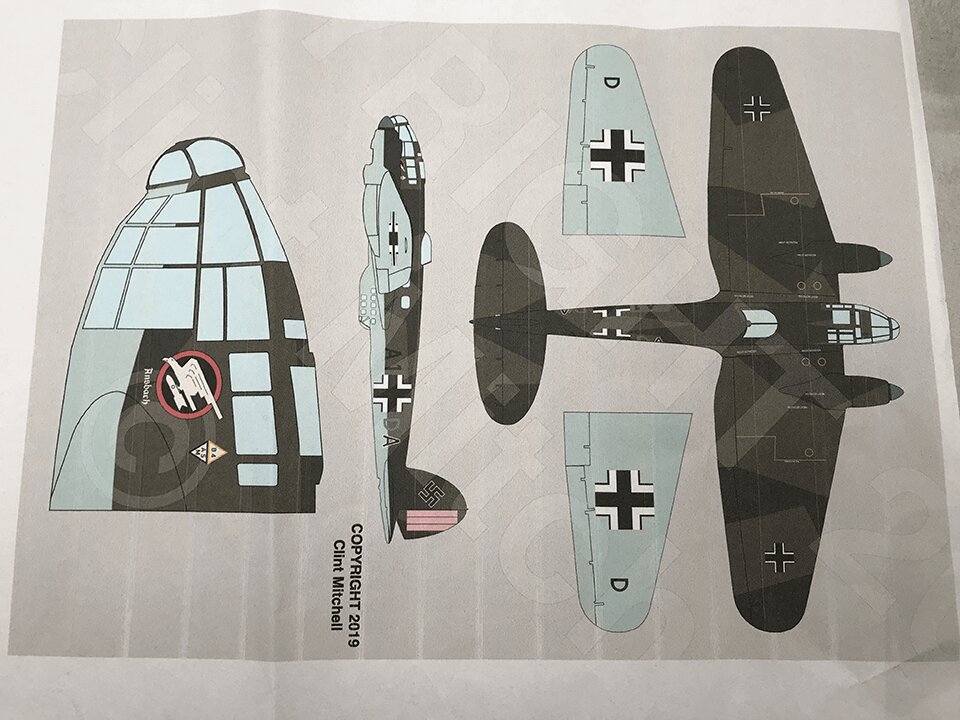
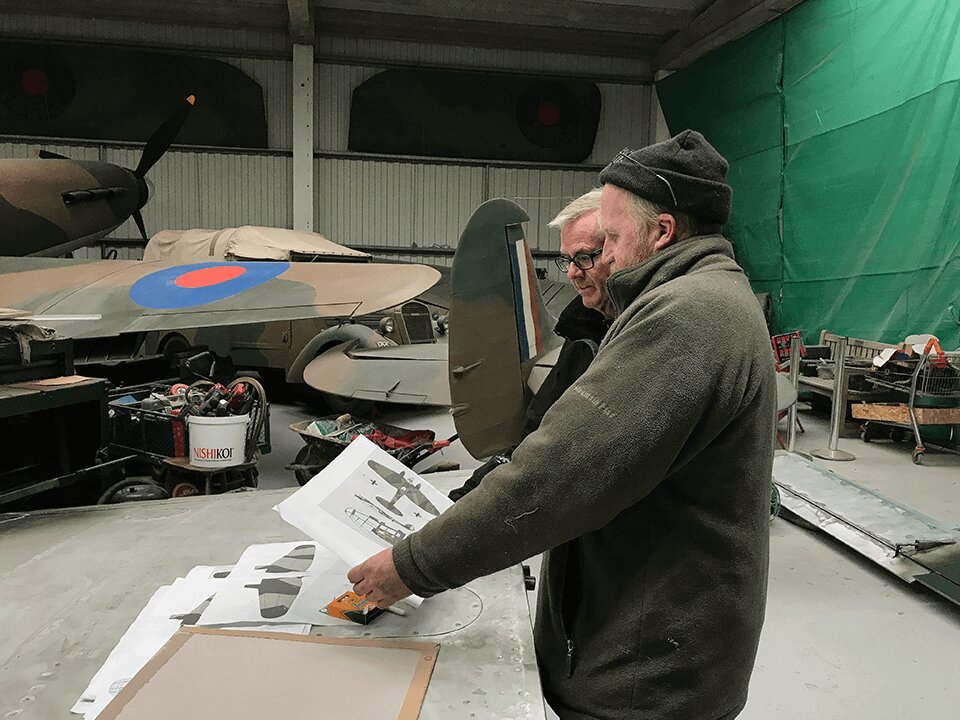
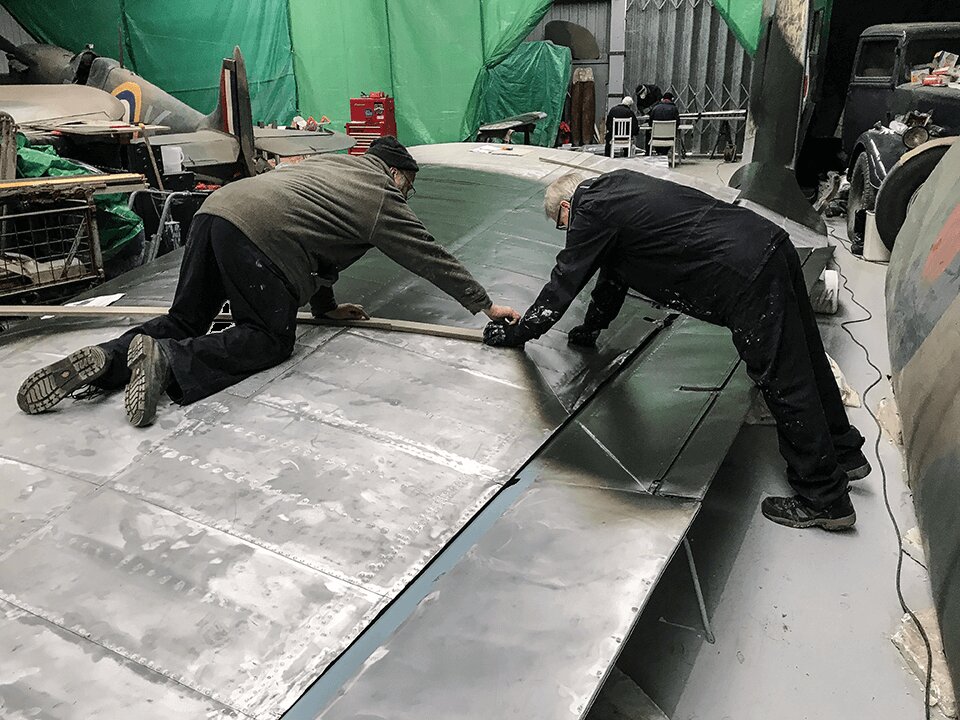
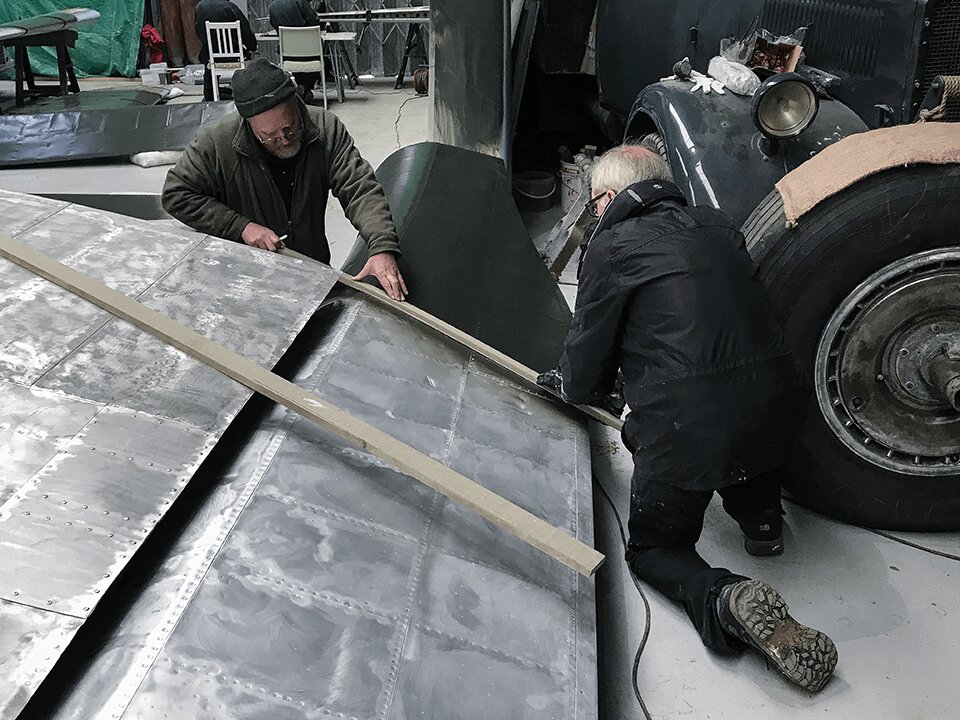
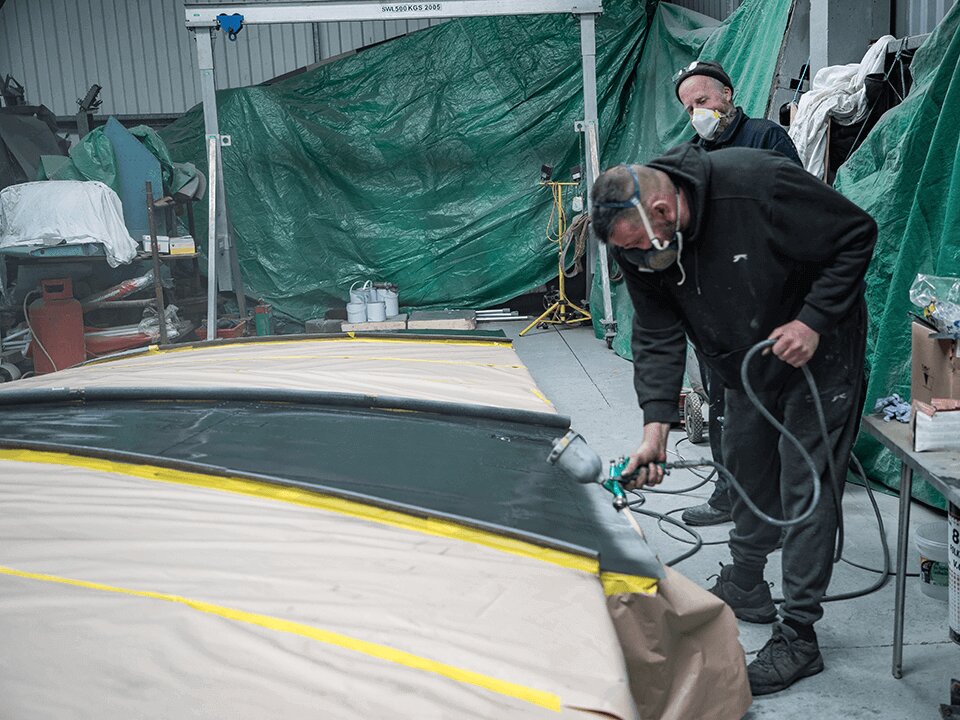
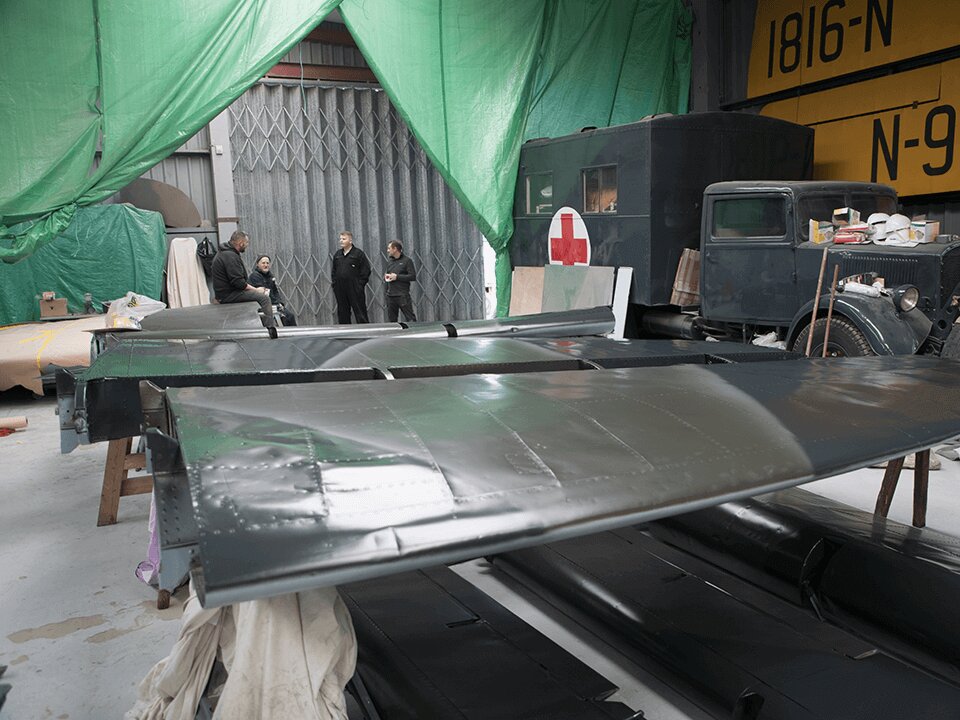
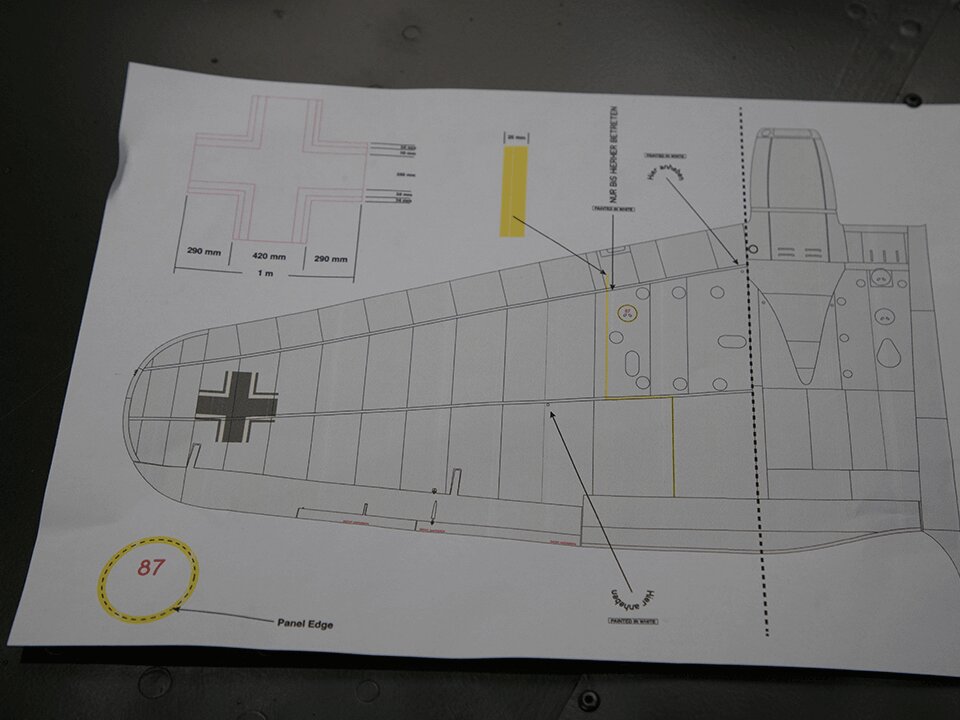
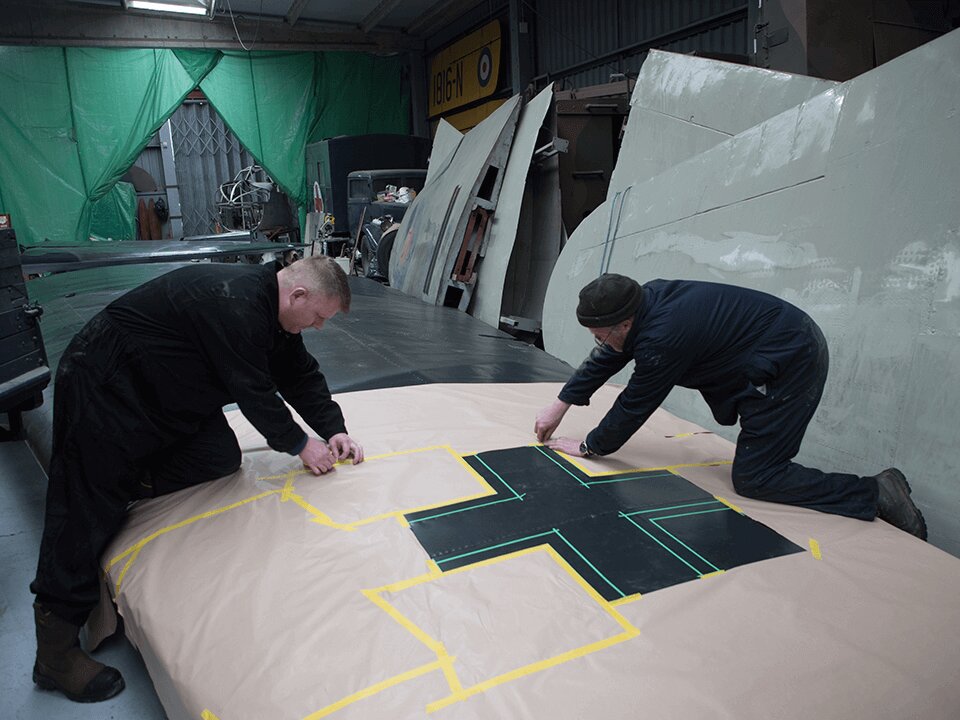
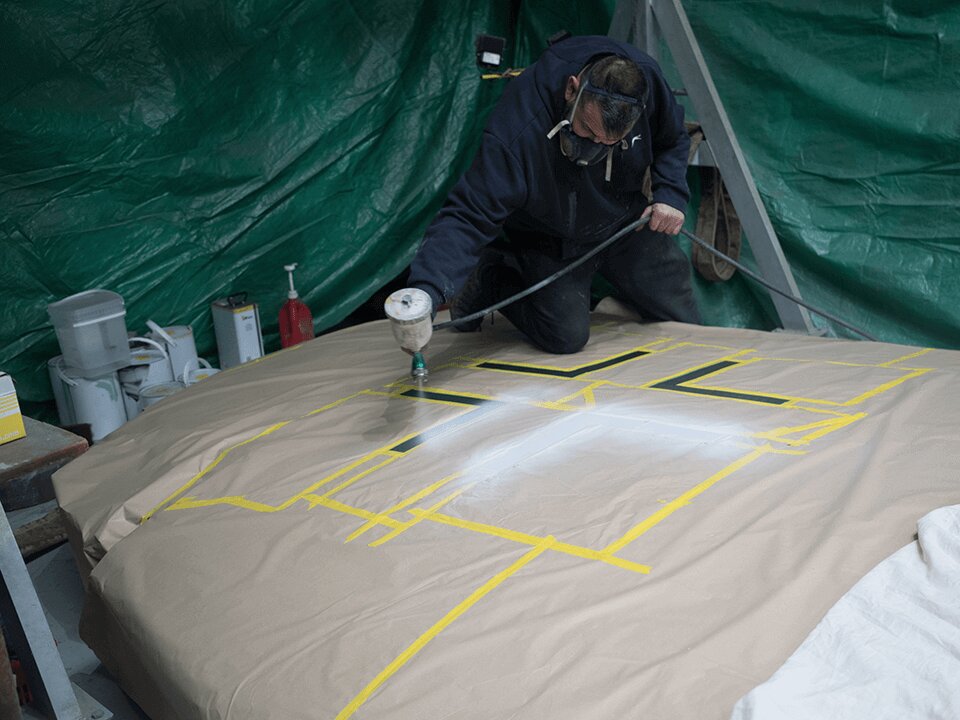
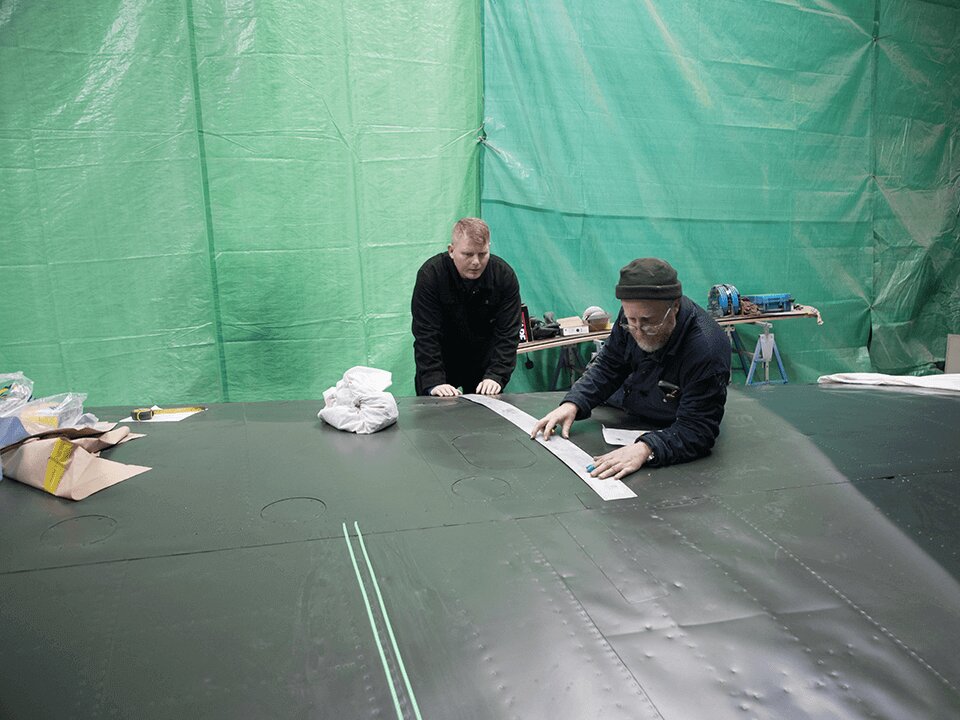
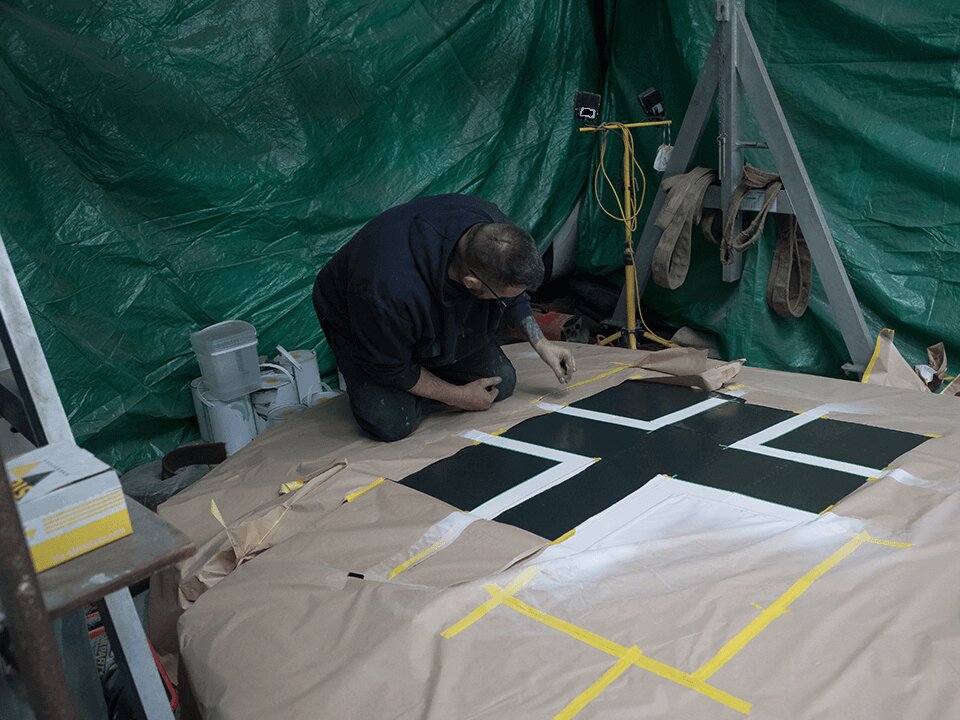
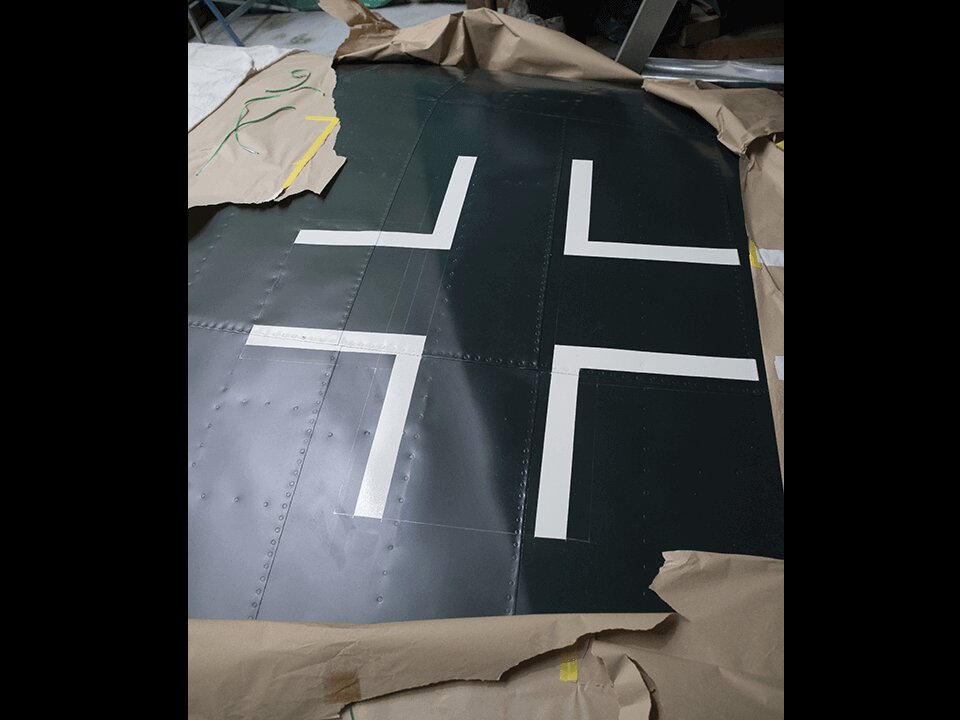
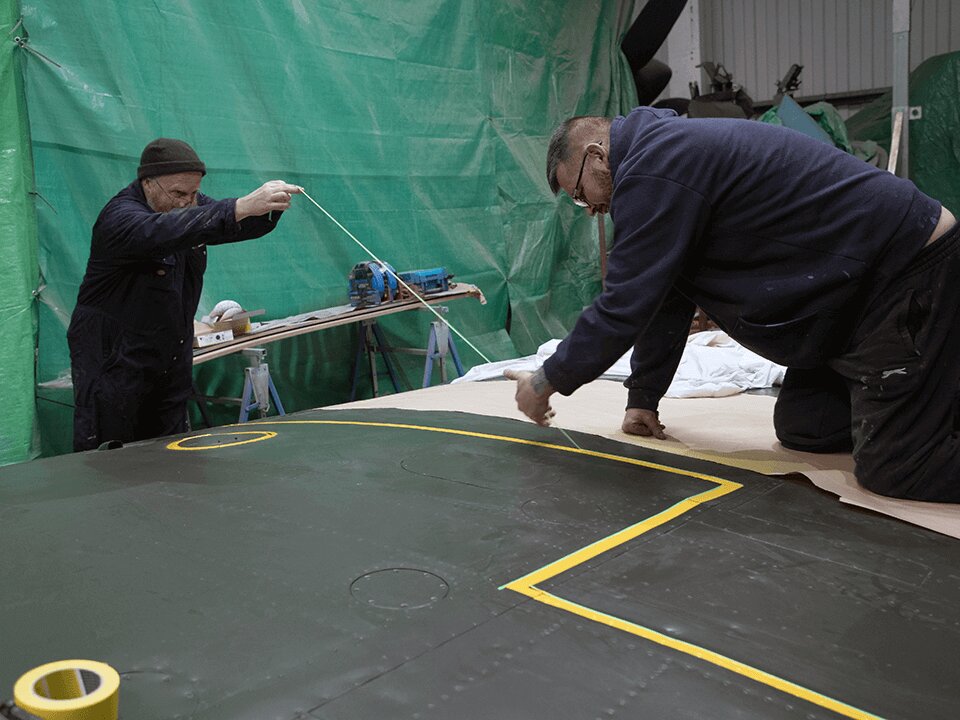
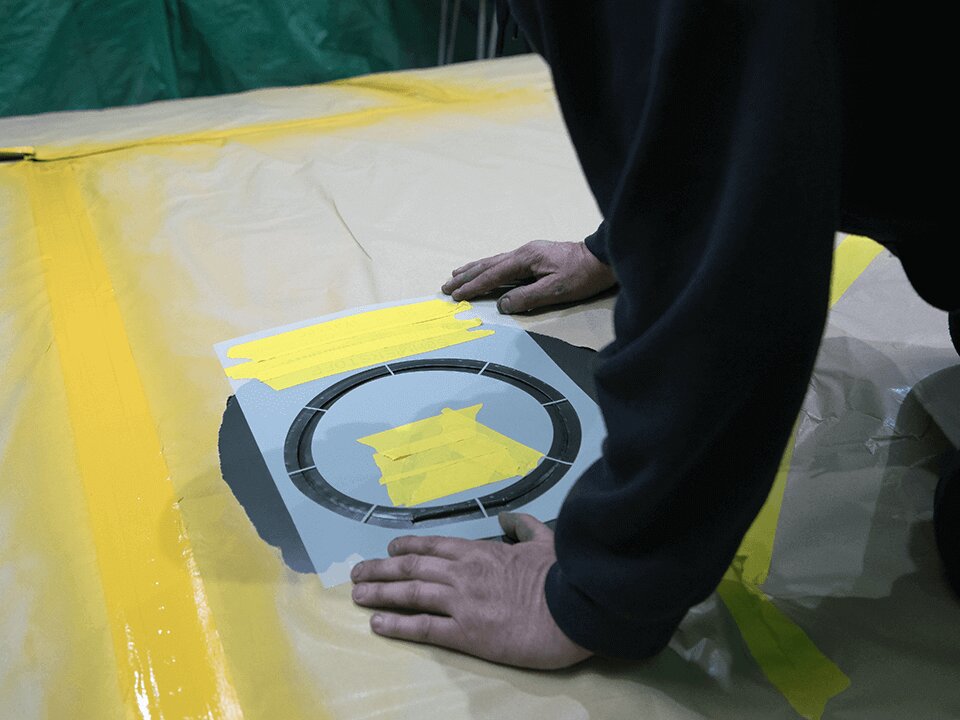
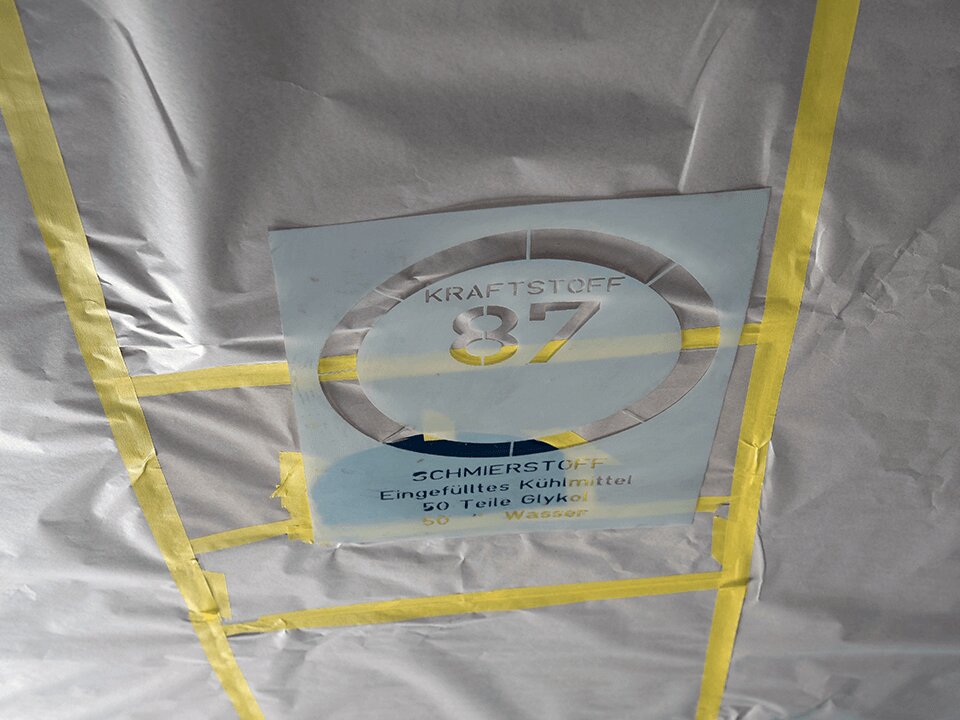
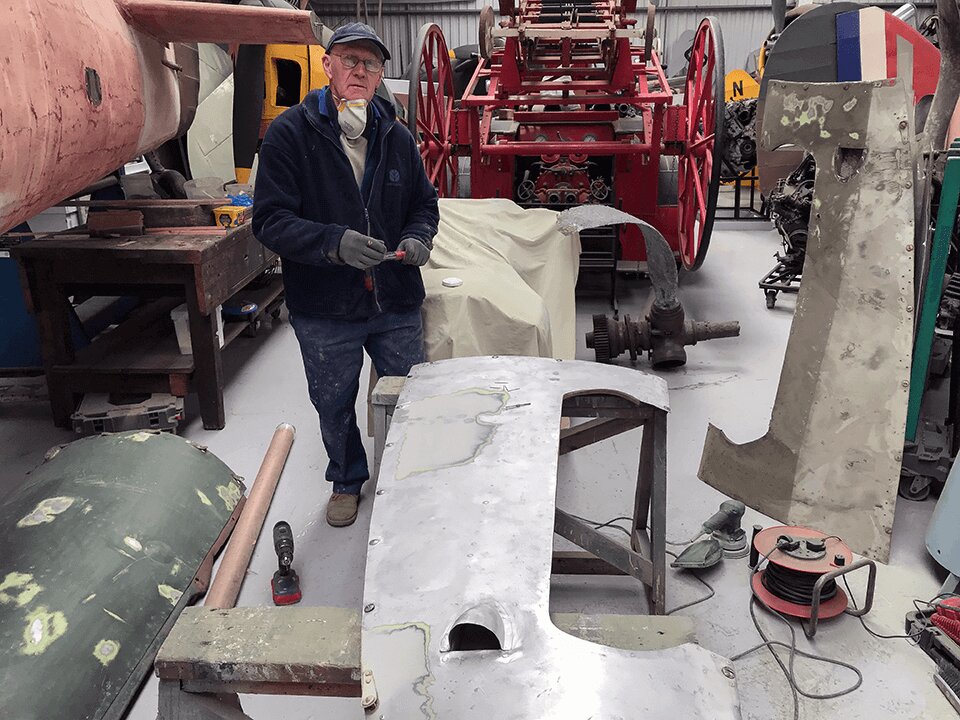
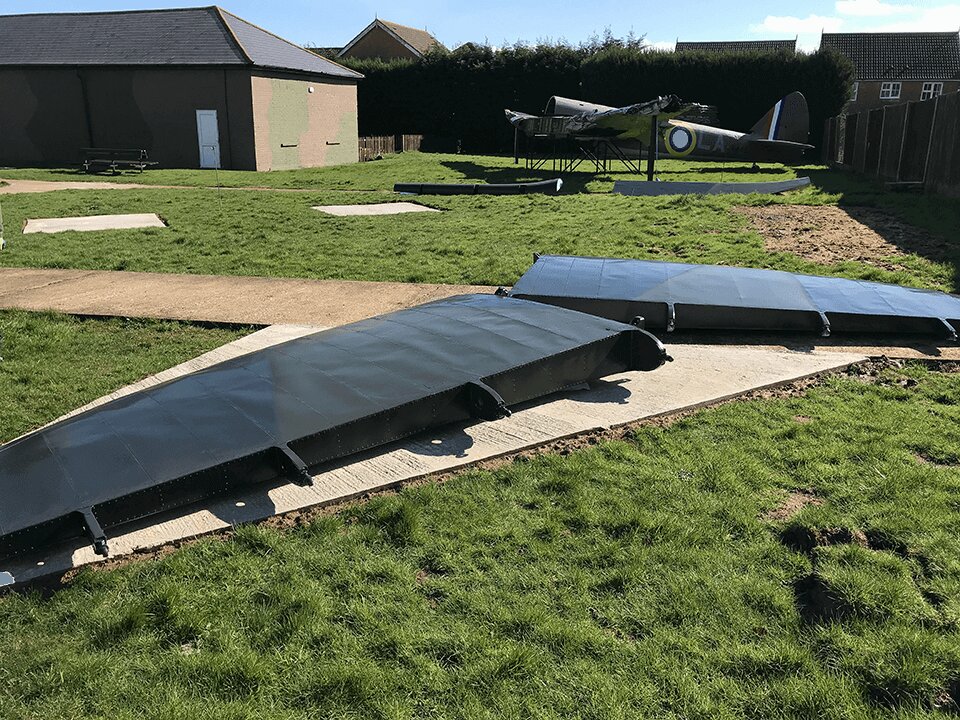
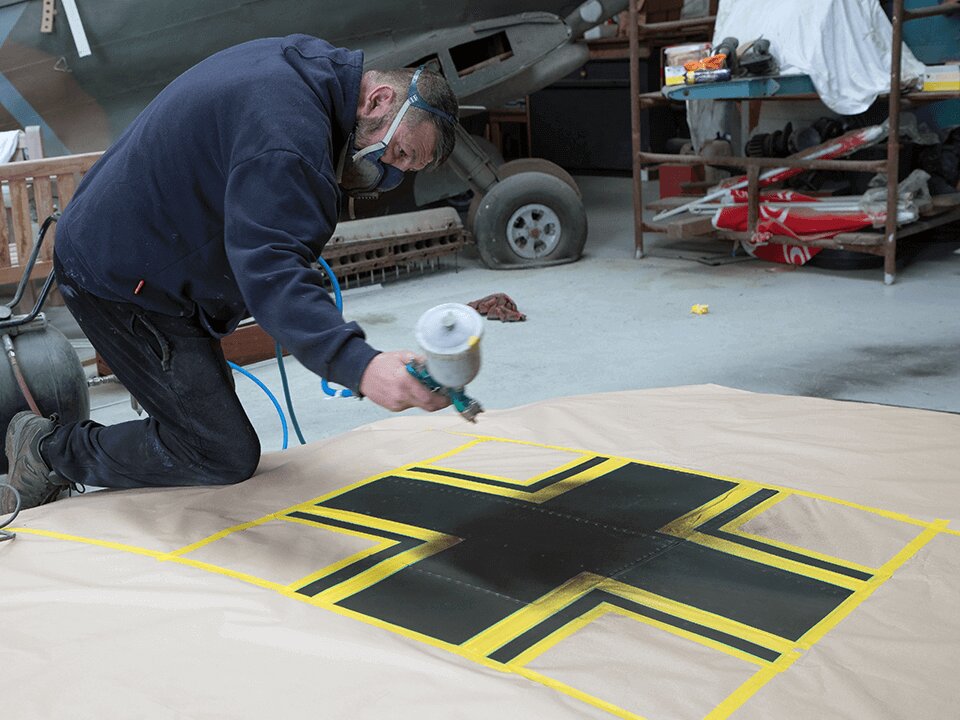
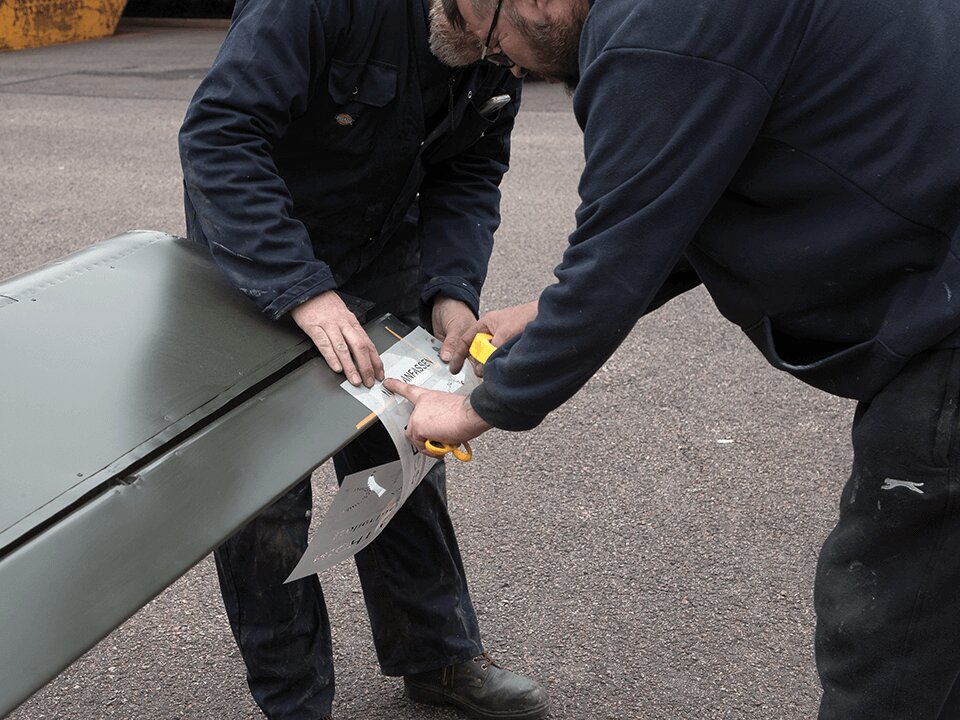
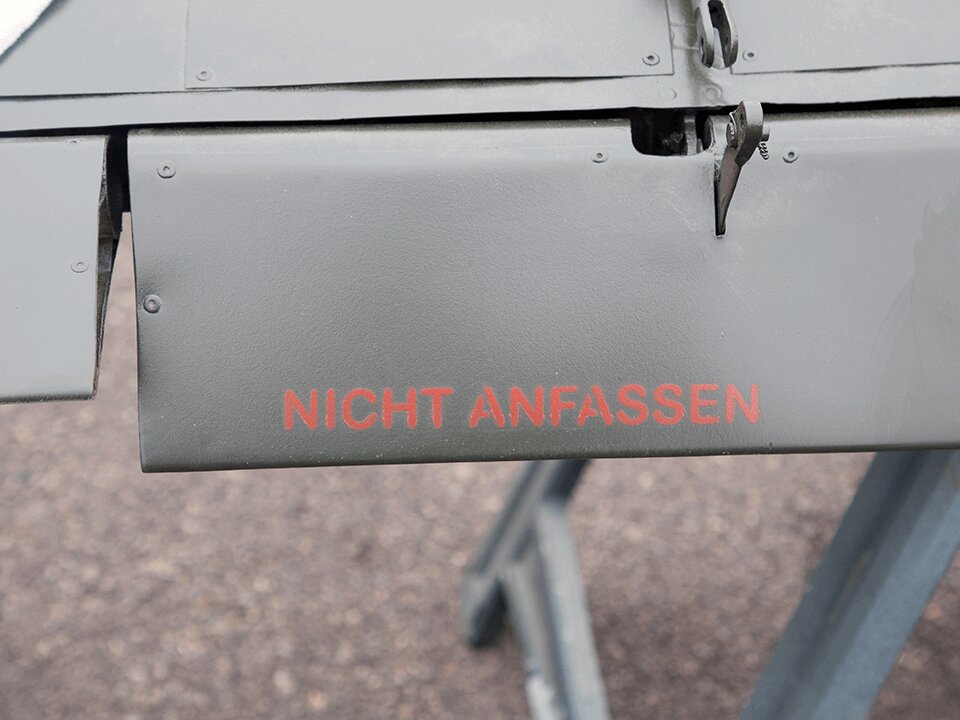
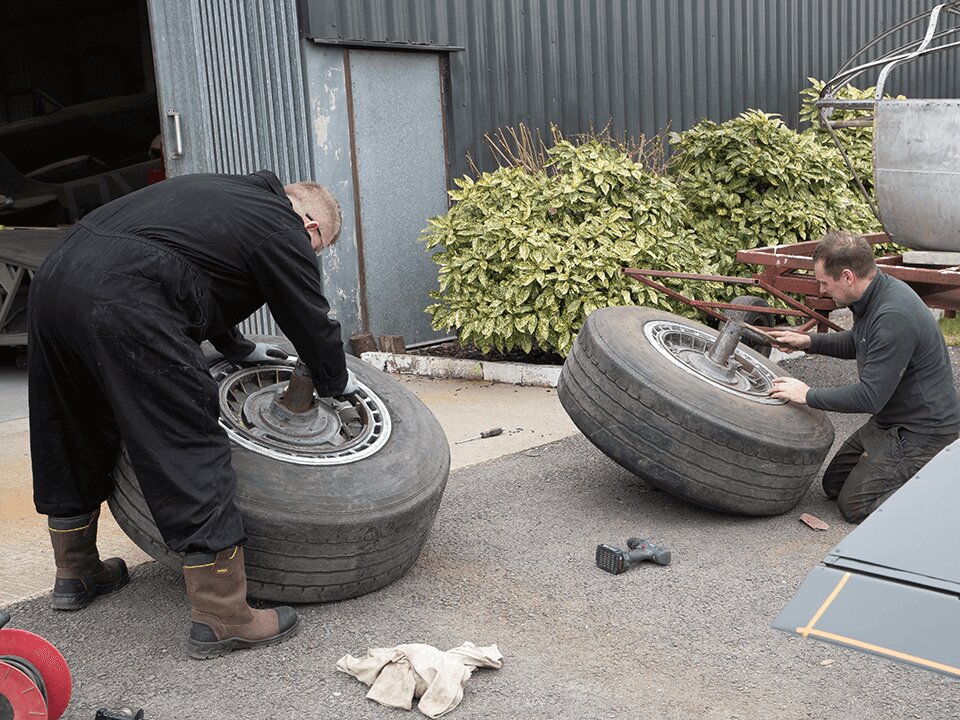
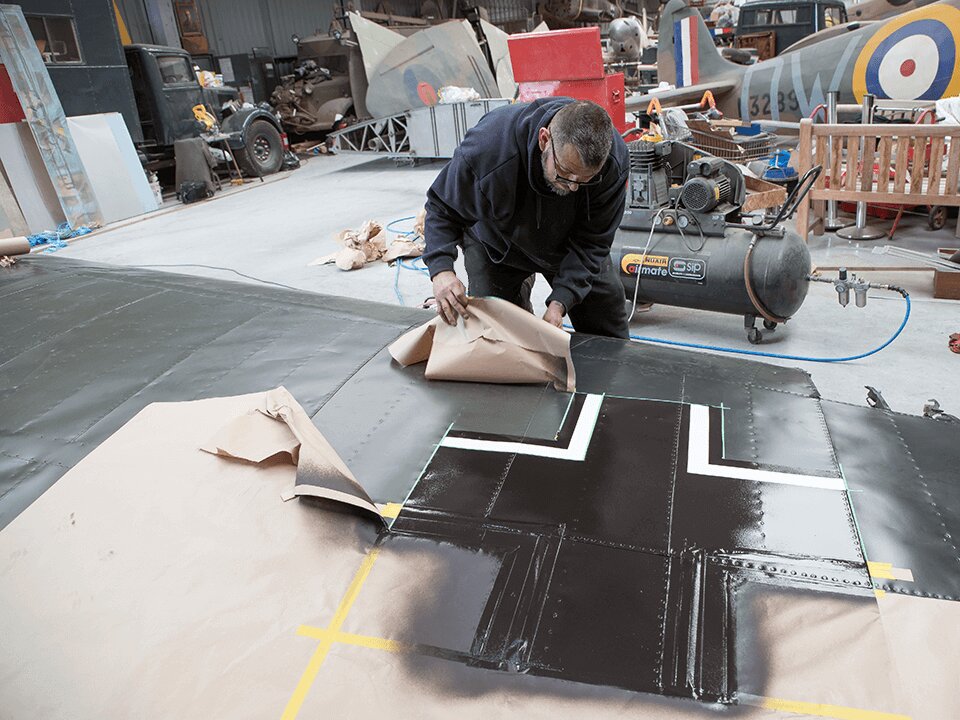
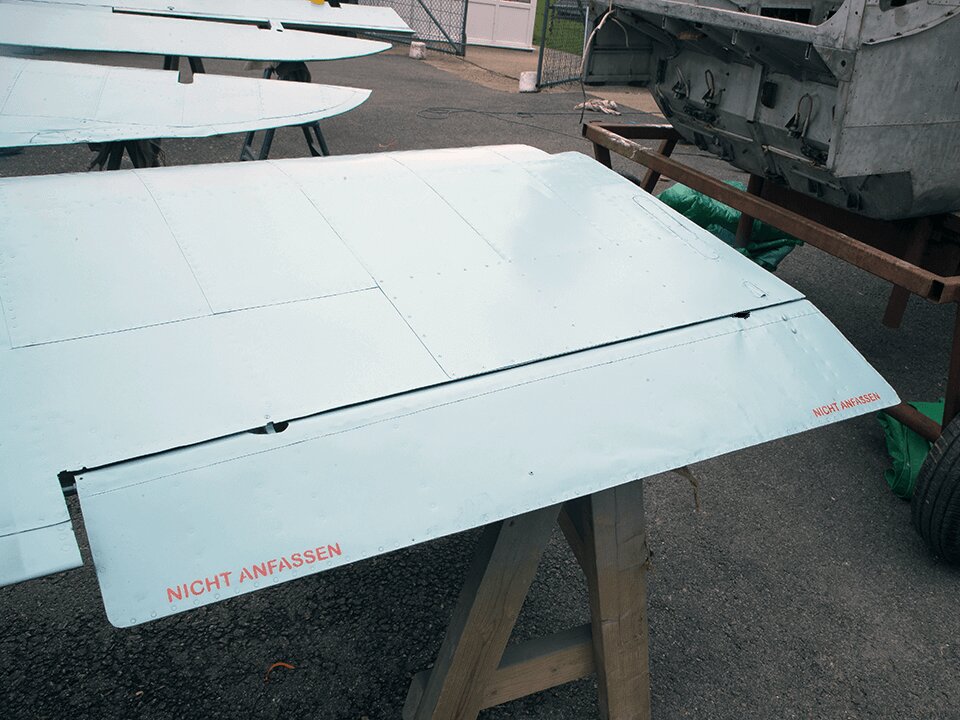
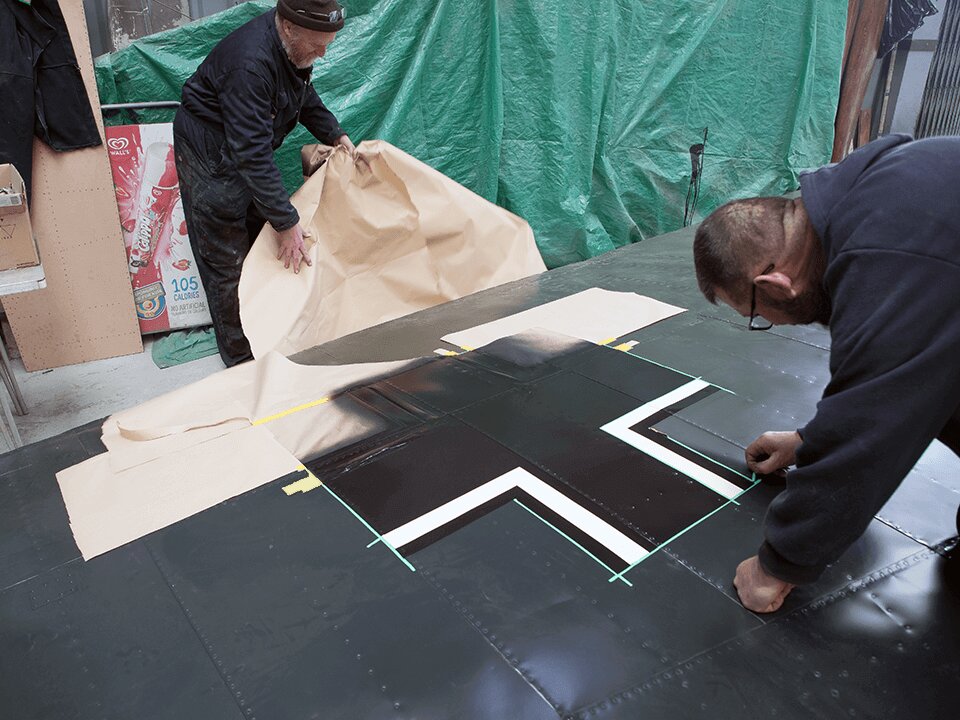
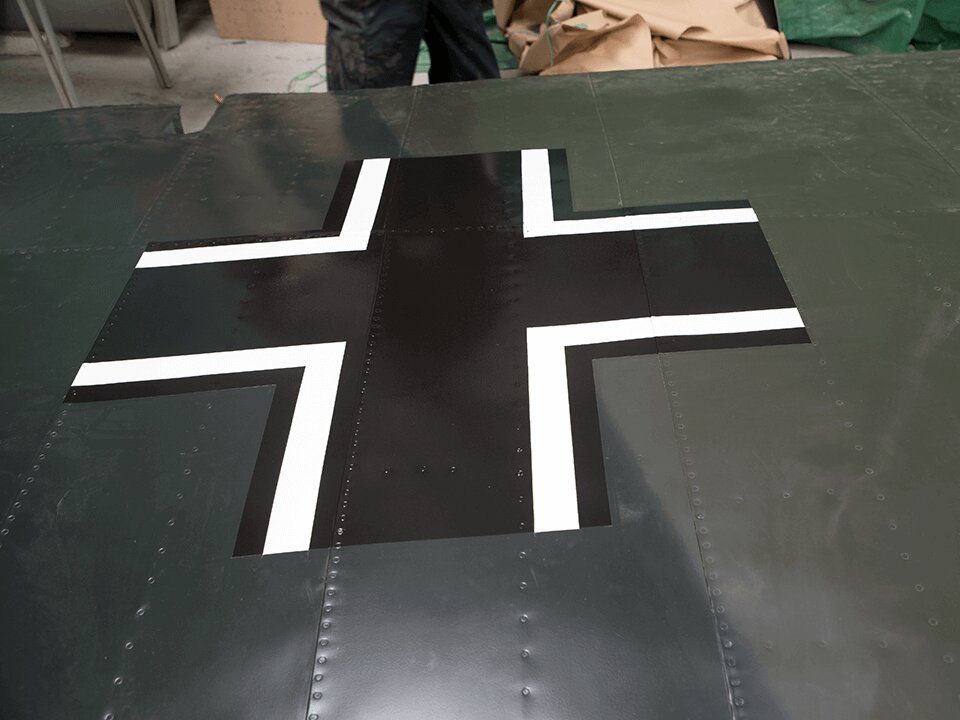
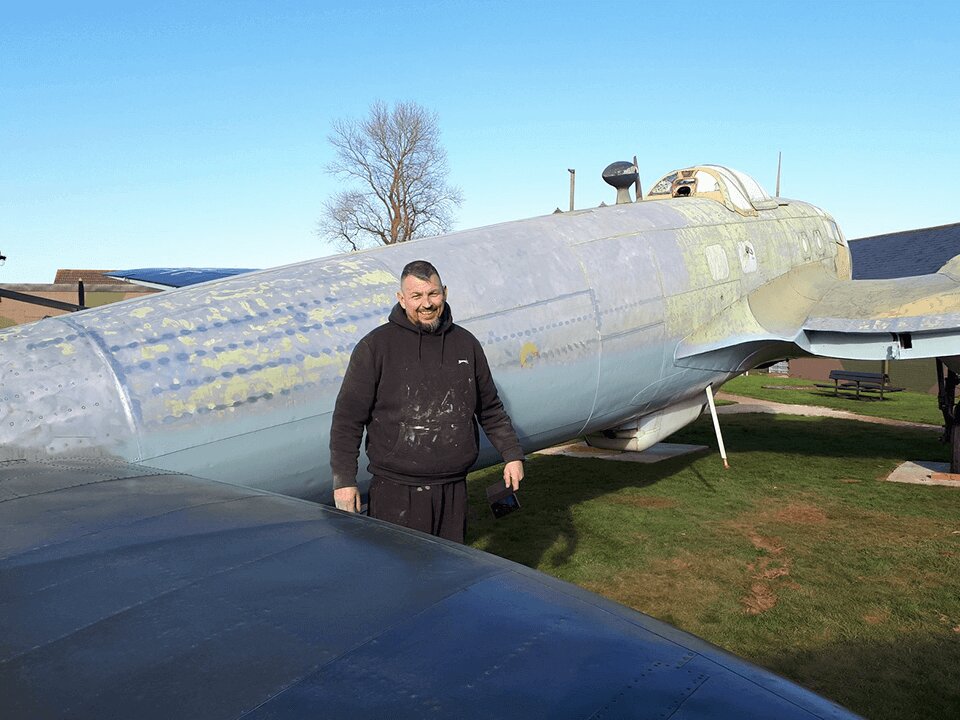
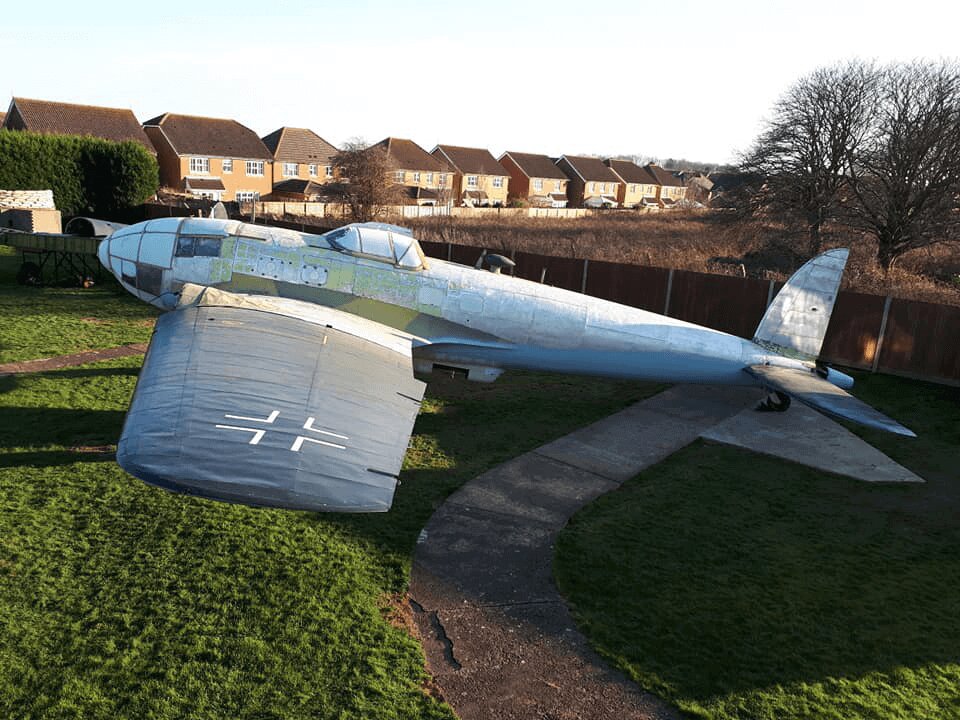
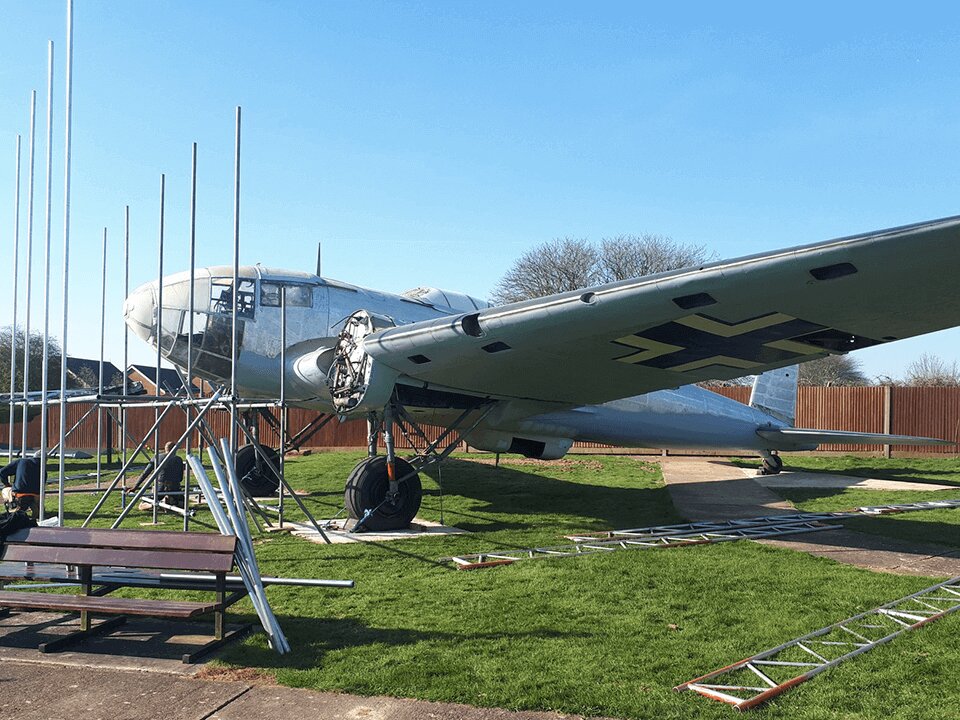
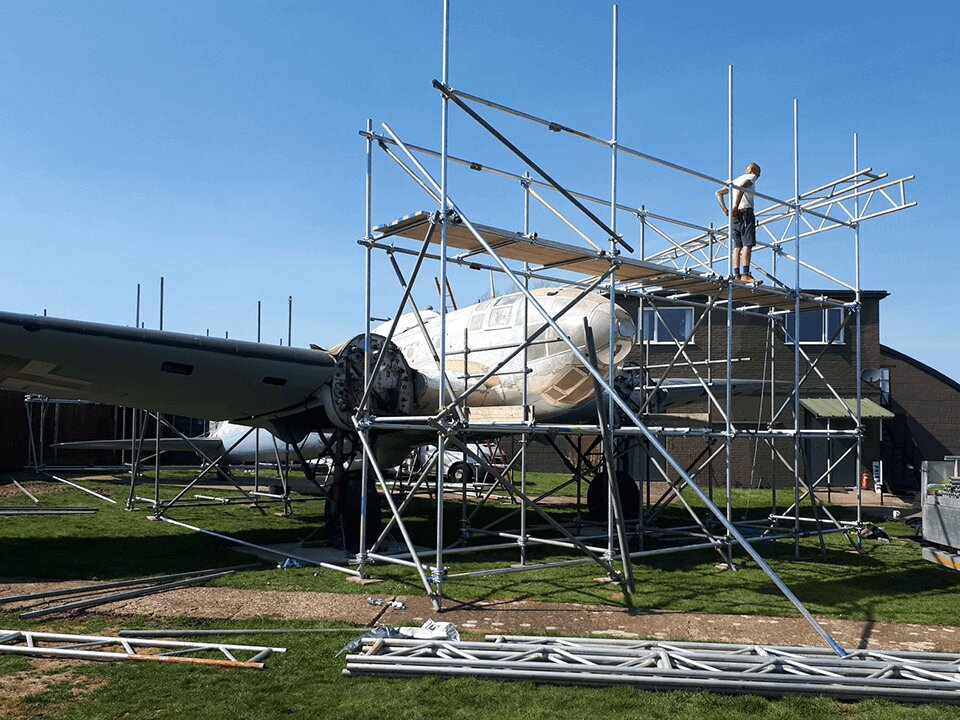
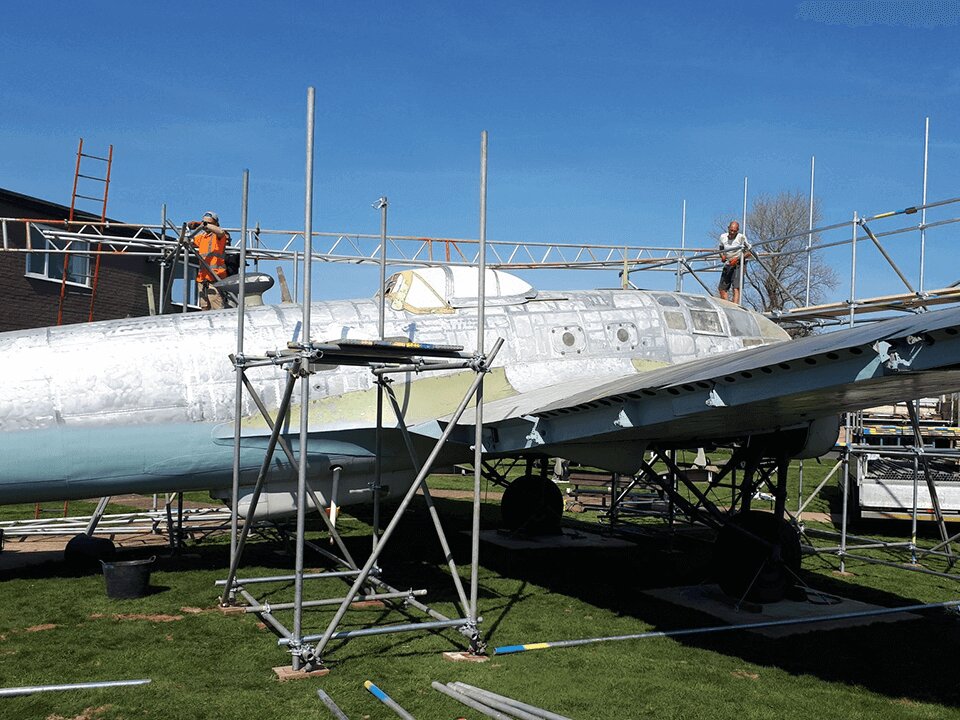
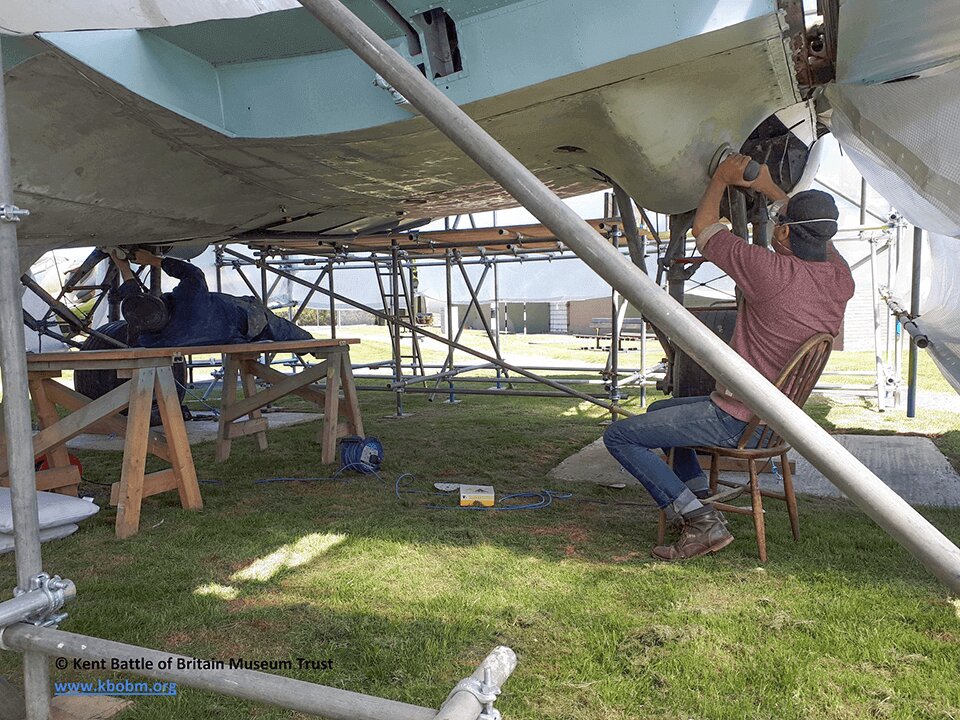
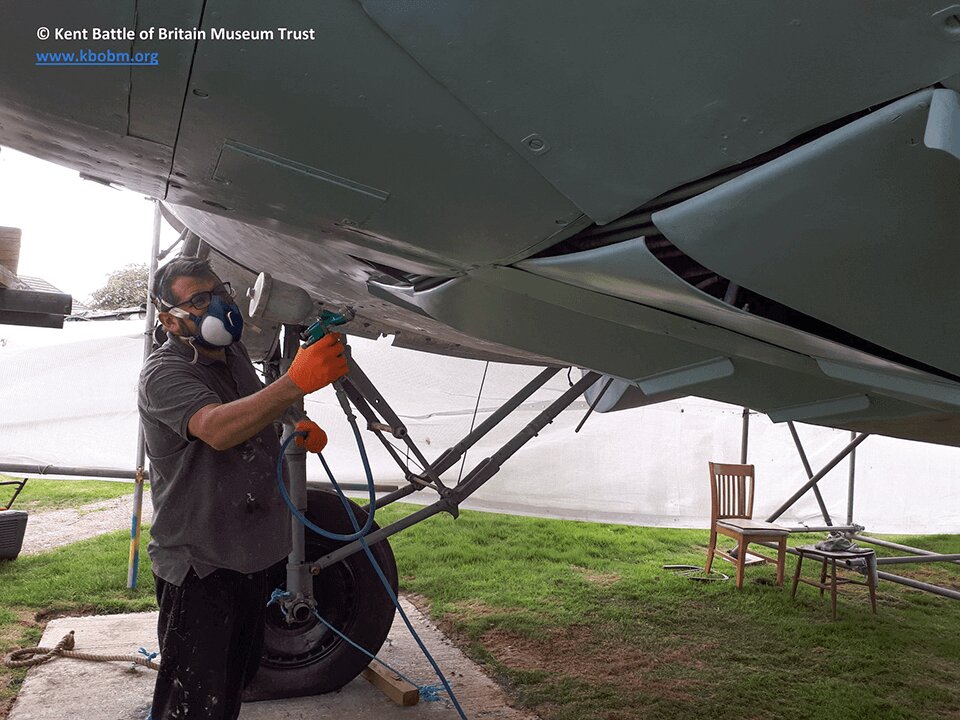
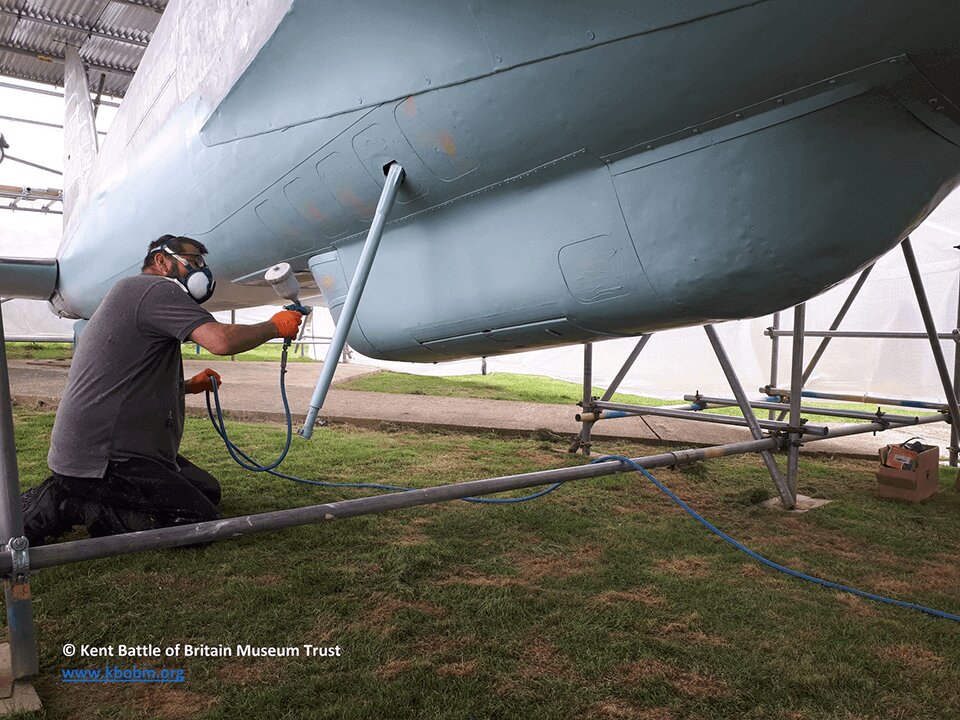
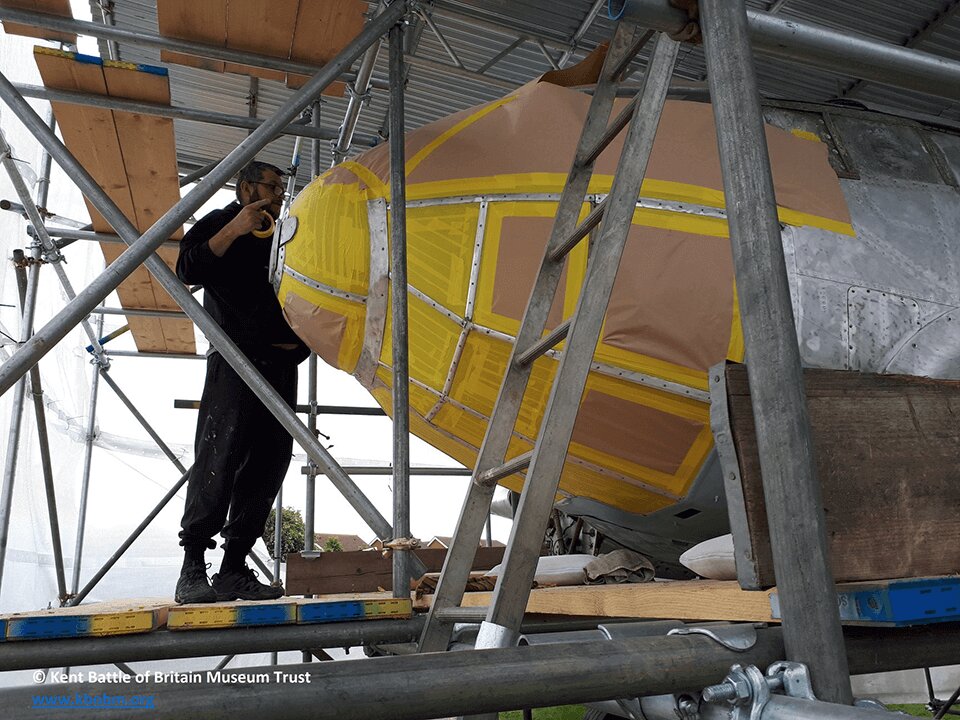
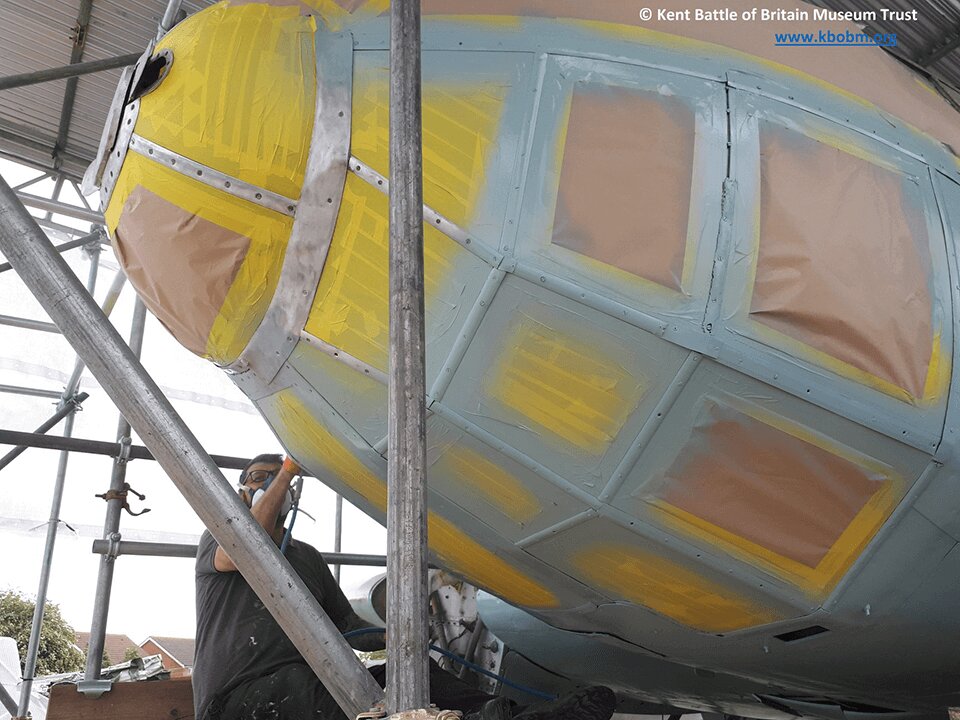
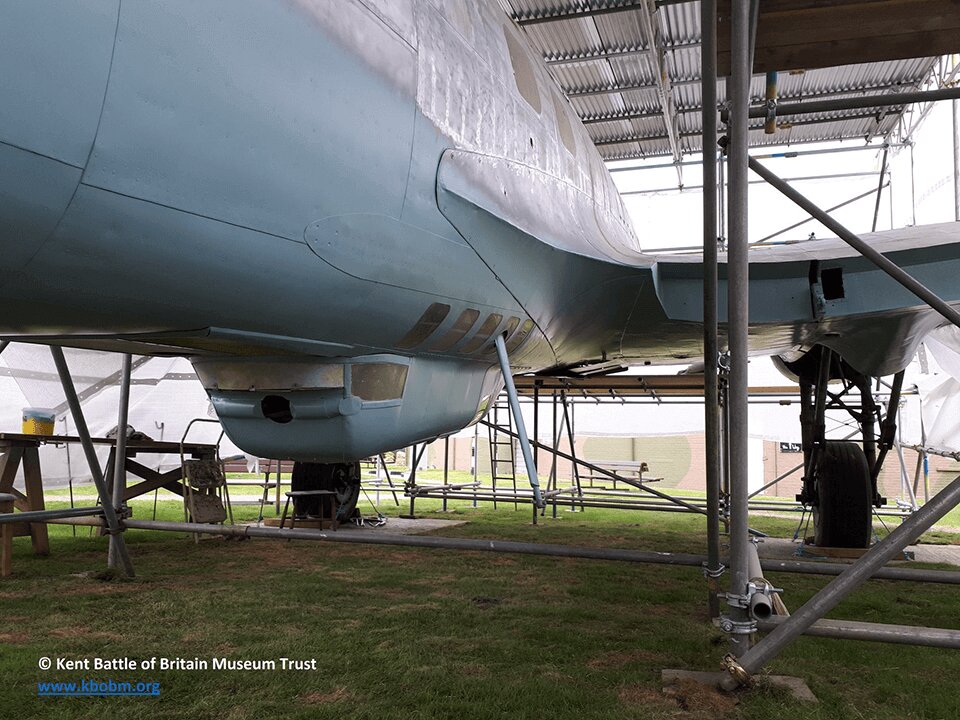
Between the winter of 2019 and the spring of 2020 the Museum restored the CASA 2.111.B to the specification of a Heinkel He 111H-2 bomber, in the livery of A1+DA of Stab Kampfgeschwader 53, which was shot down over East London on 15 September 1940, now commemorated as Battle of Britain Day. There are only two examples of the Heinkel He 111 in the UK, and A1+DA is the only bomber variant.
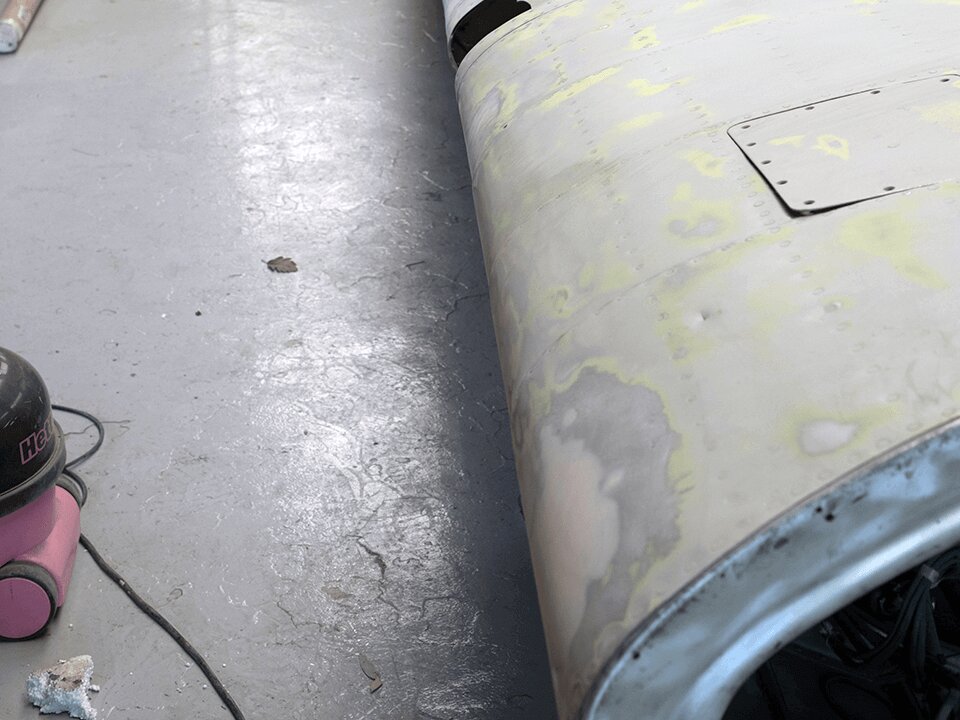
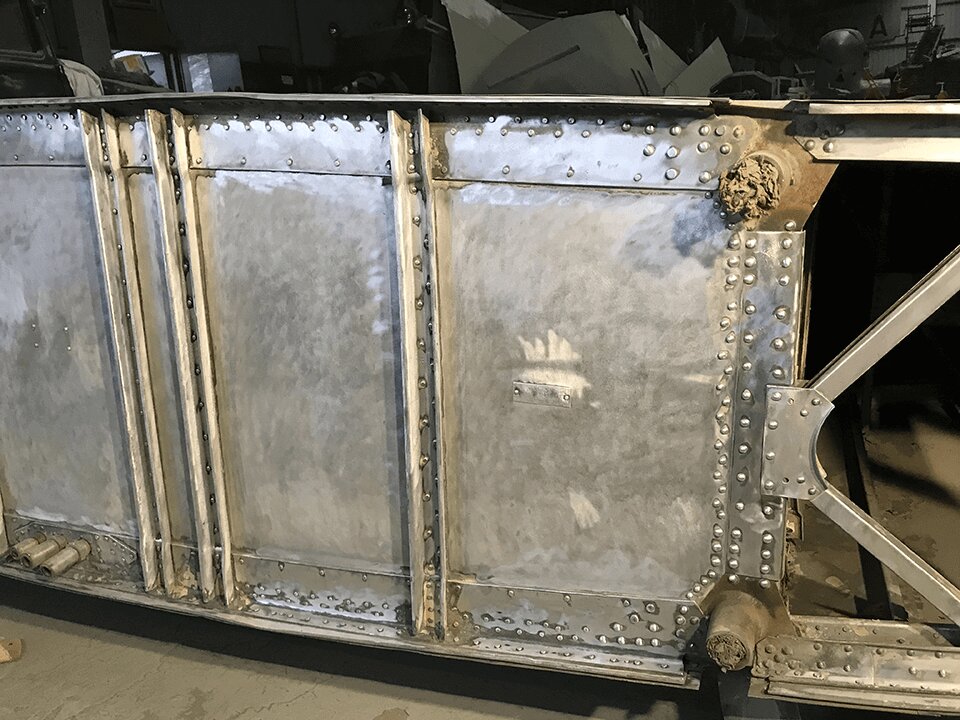
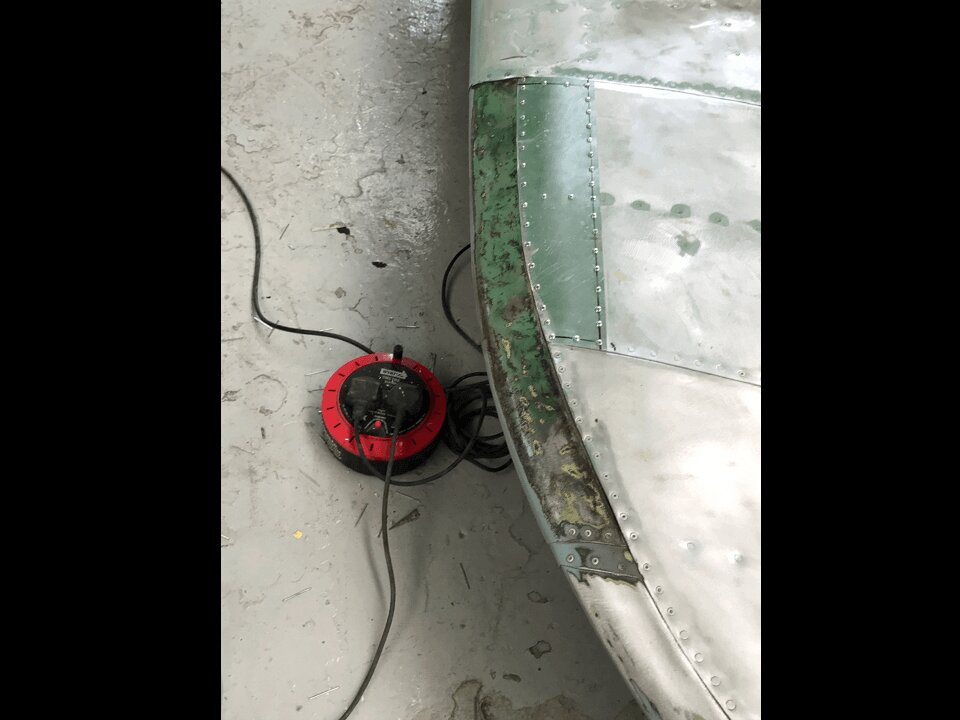
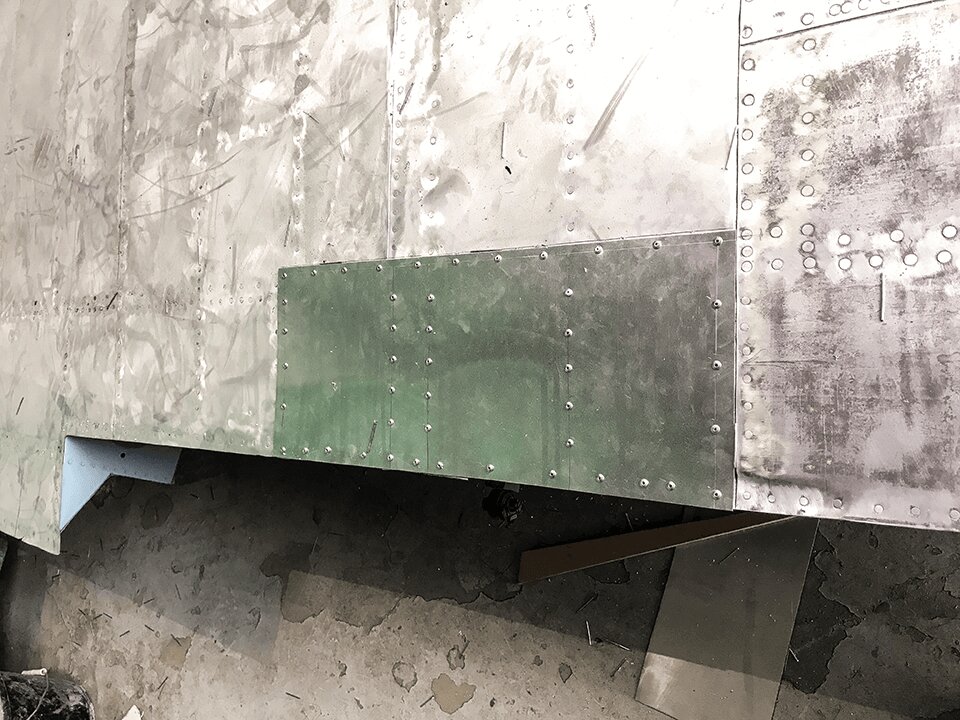
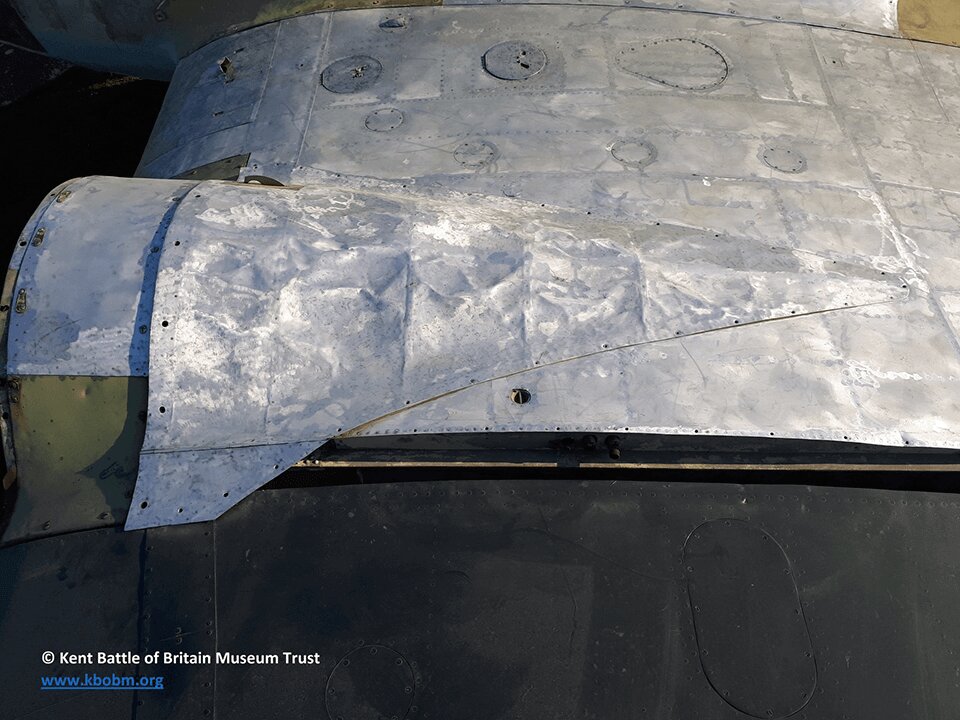
More of her past came to light when the paintwork was removed from the leading edge of the port wing stub. A German-style battle damage repair to a bullet hole was discovered, confirming that she had flown with the Luftwaffe during the Second World War and had seen combat.

Heinkel He 111H-2 Werke No. 3140, coded A1+DA of Kampfgeschwader 53, photographed shortly before it was shot down on 15 September 1940.
15 September 1940
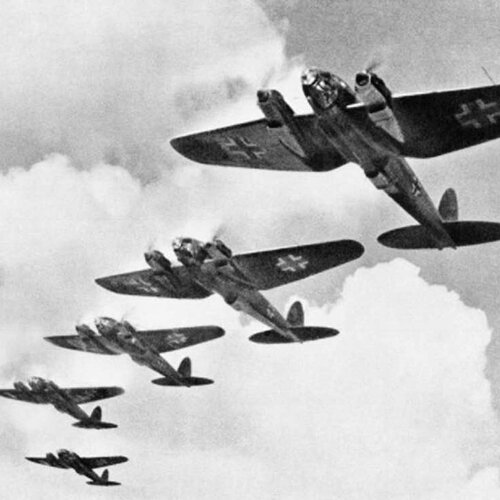
On 15 September the 1st and 2nd Gruppen of Kampfgeschwader 53, with twenty-four Heinkel He 111s, took off from Lille-Nord in France. North of Boulogne, at 14:05 hours, they met twenty-eight Heinkel He 111s of Kampfgeschwader 26, forty-three Dornier Do 17s of Kampfgeschwader 2 and nineteen Dornier Do 17s of Kampfgeschwader 3. Accompanied by approximately four hundred and fifty fighters, they crossed the coast at Dungeness and headed for their targets in London. Arriving over East London at 14:45 hours, Kampfgeschwader 53, in the centre column, was hit by forty-one RAF fighters.
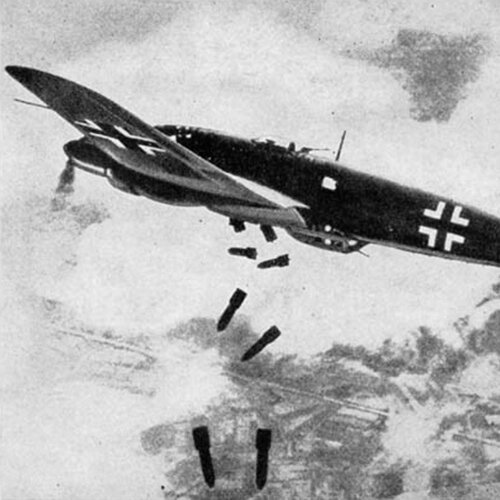
In the dogfight that followed, Heinkel He 111H-2 Werke No. 3140 (coded A1+DA) of Stab Kampfgeschwader 53 was shot down by British fighters at 14:50 hours on Sunday 15 September 1940, during a bombing raid on the Beckton Gas Works in East London. Shortly after releasing its twelve bombs, which fell near the gas works, it is believed to have been intercepted and shot down by Sgt Bohumír Fürst of 310 (Czechoslovak) Squadron, though it was also possibly attacked by F/O Blair D. Russell of No. 1 (RCAF) Squadron.
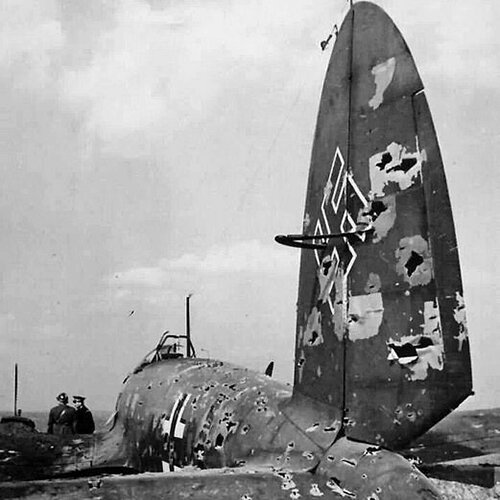
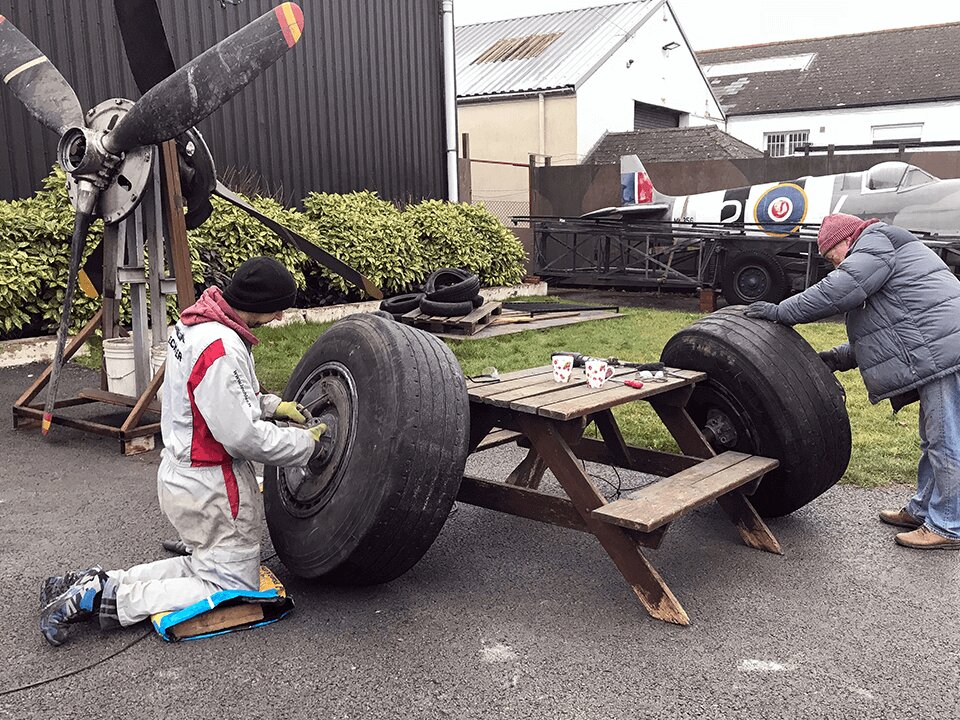
Some of the wreckage lay undisturbed until 1986, when the Arsenal was being developed as part of the new Thamesmead Estate. Items unearthed then, including two MG 15 machine guns, sections of armour plate, a main undercarriage leg and tyre, a large section of the gondola and coins, are on show in the Museum.
Heinkel He 111H Specifications
| Type : | Bomber |
| Crew : | 5 (pilot, navigator/bombardier/nose gunner, ventral gunner, dorsal gunner/radio operator, side gunner) |
| Engines : | 2 × Junkers Jumo 211F-1 or Junkers Jumo 211F-2 V-12 inverted liquid-cooled piston engines, 970 kW (1,300 hp) each (Jumo 211F-1) 1,000 kW (1,340 hp) (Jumo 211F-2) |
| Propellers : | 3-bladed variable-pitch propellers |
| Wing Span : | 22.6 m (74 ft 2 in) |
| Length : | 16.4 m (53 ft 10 in) |
| Height : | 4 m (13 ft 1 in) |
| Airframe : | Metal |
| Skin : | Metal |
| Empty weight : | 8,680 kg (19,136 lb) |
| Gross weight : | 12,030 kg (26,522 lb) |
| Max takeoff weight : | 14,000 kg (30,865 lb) |
| Maximum Speed : | 440 km/h (270 mph) |
| Service Ceiling : | 6,500 m (21,300 ft) |
| Range : | 2,300 km (1,400 miles) |
| Armament : | Could be equipped with:
Guns : up to 7 × 7.92 mm (0.312 in) MG 15 machine guns or 7x MG 81 machine gun (2 in the nose, 1 in the dorsal, 2 in the side, 2 in the ventral), some of them replaced or augmented by: 1 × 20 mm (0.787 in) MG FF cannon (central nose mount or forward ventral position) 1 × 13 mm (0.512 in) MG 131 machine gun (mounted dorsal and/or ventral rear positions) Bombs : 2,000 kilograms (4,400 lb) in the main internal bomb bay Up to 3,600 kilograms (7,900 lb) could be carried externally. |
